Hormuz Tensions Pressure Global Refinery Supplies and Threaten Their Refining Capacity
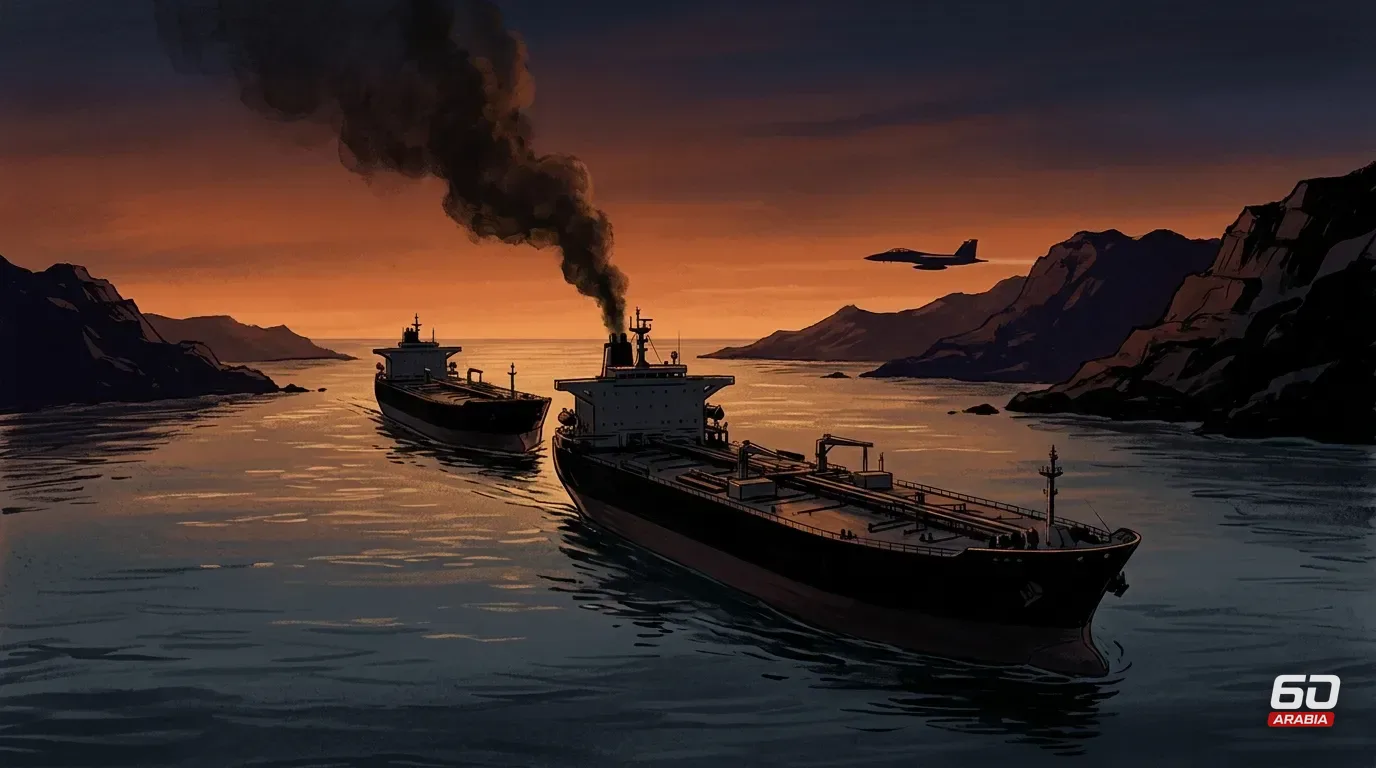
Reports indicated a decline in crude imports at Asian and European refineries due to shipping disruptions through the Strait of Hormuz, threatening a shortage of refined petroleum products such as gasoline, diesel, and jet fuel.
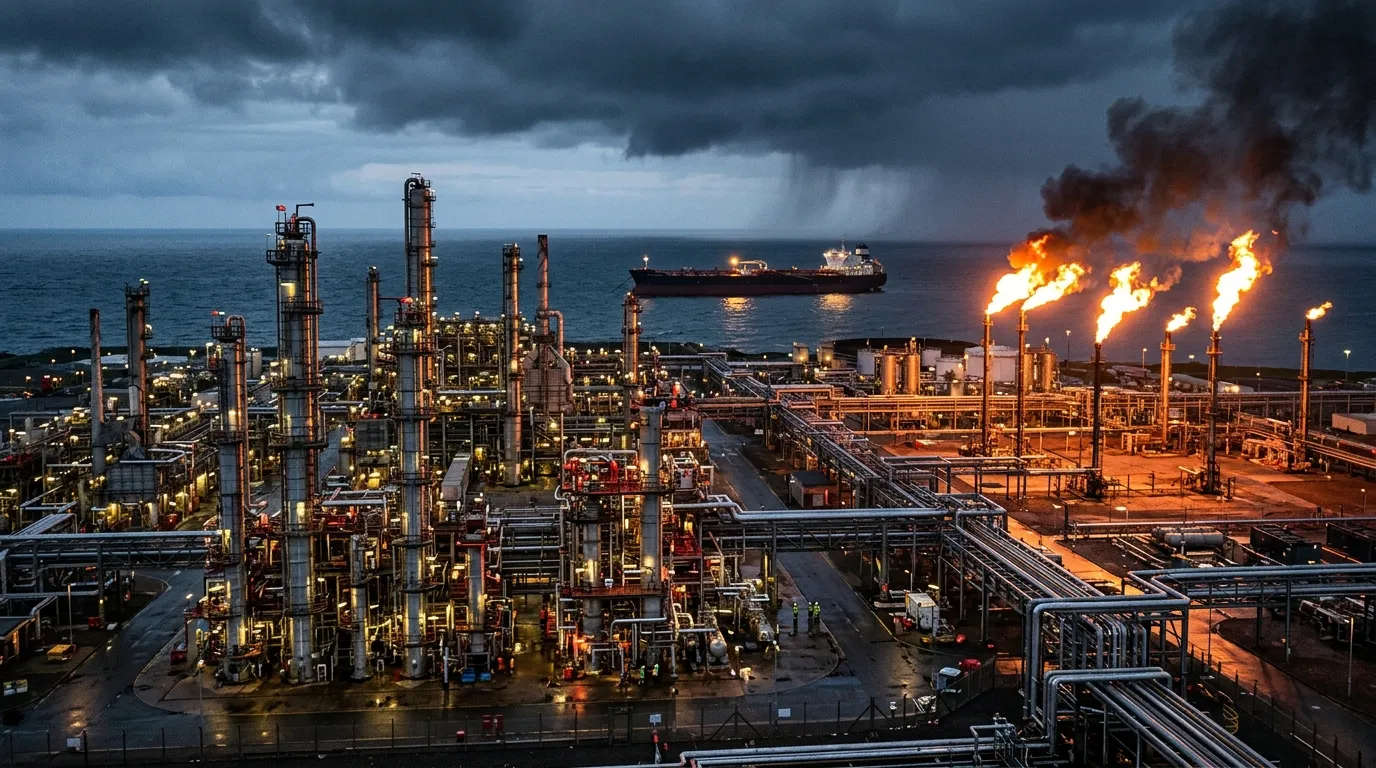
Industry reports indicated a notable decline in crude oil imports at several major oil refineries in Asia and Europe, following disruptions to tanker traffic through the Strait of Hormuz.
Many refineries were forced to diversify their crude sources by resorting to more expensive shipments from other regions, such as North America and West Africa, which raised operating costs and pressured profit margins.
The effects of supply pressures have begun to reflect on the prices of refined petroleum products, particularly gasoline, diesel, and jet fuel, reviving fears of a new wave of energy inflation.
Experts believe that the continued pressure on refinery supplies for additional weeks could lead to actual shortages in some markets, while refining companies attempt to activate emergency supply contracts, making an urgent political settlement to the Hormuz crisis more pressing than ever.
What do these terms mean?
Oil Refineries: Industrial facilities that process crude oil and convert it into usable products such as gasoline, diesel, kerosene, and petrochemicals.
Refining Margin: The difference between the price of crude oil purchased by the refinery and the price of the products it sells, serving as a measure of the refining industry's profitability.
Jet Fuel (Kerosene): A refined petroleum product used as fuel for commercial aircraft, considered one of the products most affected by any disruption in oil supply chains.
Weekly Newsletter
Read between the lines before everyone else. Decode the most important economic, tech, and decision-maker movements in the region.. in 5 minutes every Saturday.