Tokyo Inflation Hits Five-Month High and Unemployment Drops to 2.4%
Tokyo inflation recorded its highest level in five months, while the Japanese unemployment rate dropped to 2.4%, strengthening the case for a Bank of Japan interest rate hike in September.
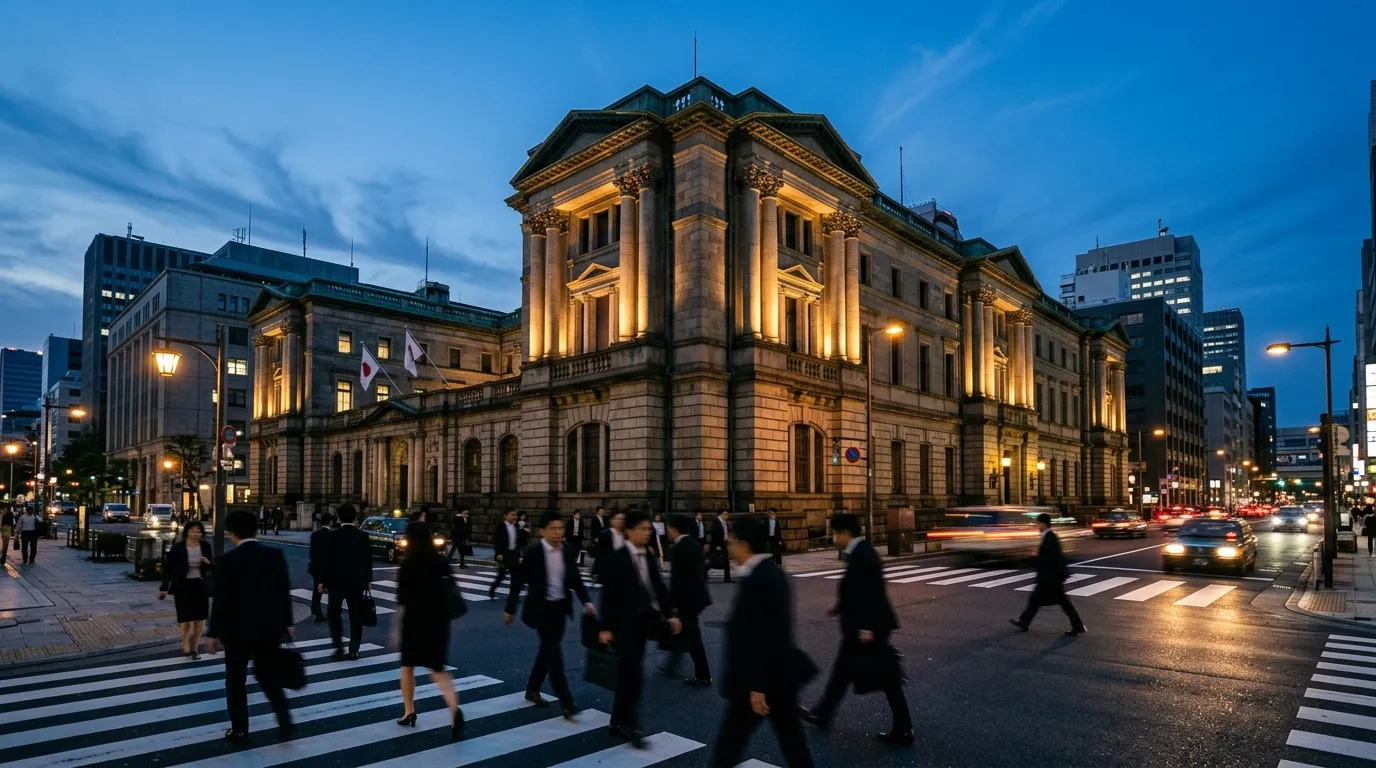
Tokyo's consumer price inflation hit a five-month high, driven by rising food and energy prices, while the Japanese unemployment rate fell to 2.4%, applying additional pressure on the Bank of Japan to raise interest rates in September.
Economists attribute the persistent inflationary pressures to three main factors: a weak yen that inflates energy and food import costs, rising wages reinforced after annual spring talks between labor and employers, as well as strong domestic demand.
Employment data also reflects a positive picture for the Japanese economy, with the low unemployment rate at 2.4% indicating a tight labor market that enables workers to secure higher wages, thereby fueling demand-pull inflation.
Analysts believe this data gives the Bank of Japan sufficient cover to raise interest rates in September without being accused of haste, especially since inflation has exceeded its 2% target for the 26th consecutive month, according to some estimates.
What do these terms mean?
Tokyo Inflation: The Consumer Price Index in Japan's capital, Tokyo, released ahead of the national index, serving as a leading indicator of inflation trends in Japan overall.
Unemployment Rate: The percentage of the labor force that is unemployed and available for work. A decline means higher employment, higher wages, and stronger demand, exerting upward pressure on prices.
Spring Negotiations (Shunto): Traditional annual wage negotiations in Japan between labor unions and employers. Their results set wages for a full year and influence the level of Japanese inflation.
Weekly Newsletter
Read between the lines before everyone else. Decode the most important economic, tech, and decision-maker movements in the region.. in 5 minutes every Saturday.