

Dubai Real Estate Market Cools Healthily, Not in Crisis: Transaction Decline Offset by Solid Foreign Investment and Resilient Prices
Dubai's real estate market is experiencing a cooling described by analysts as healthy rather than an indicator of a broad correction, with strong foreign investment and resilient property values offsetting the decline in transaction volume resulting from a natural slowdown after years of record growth.
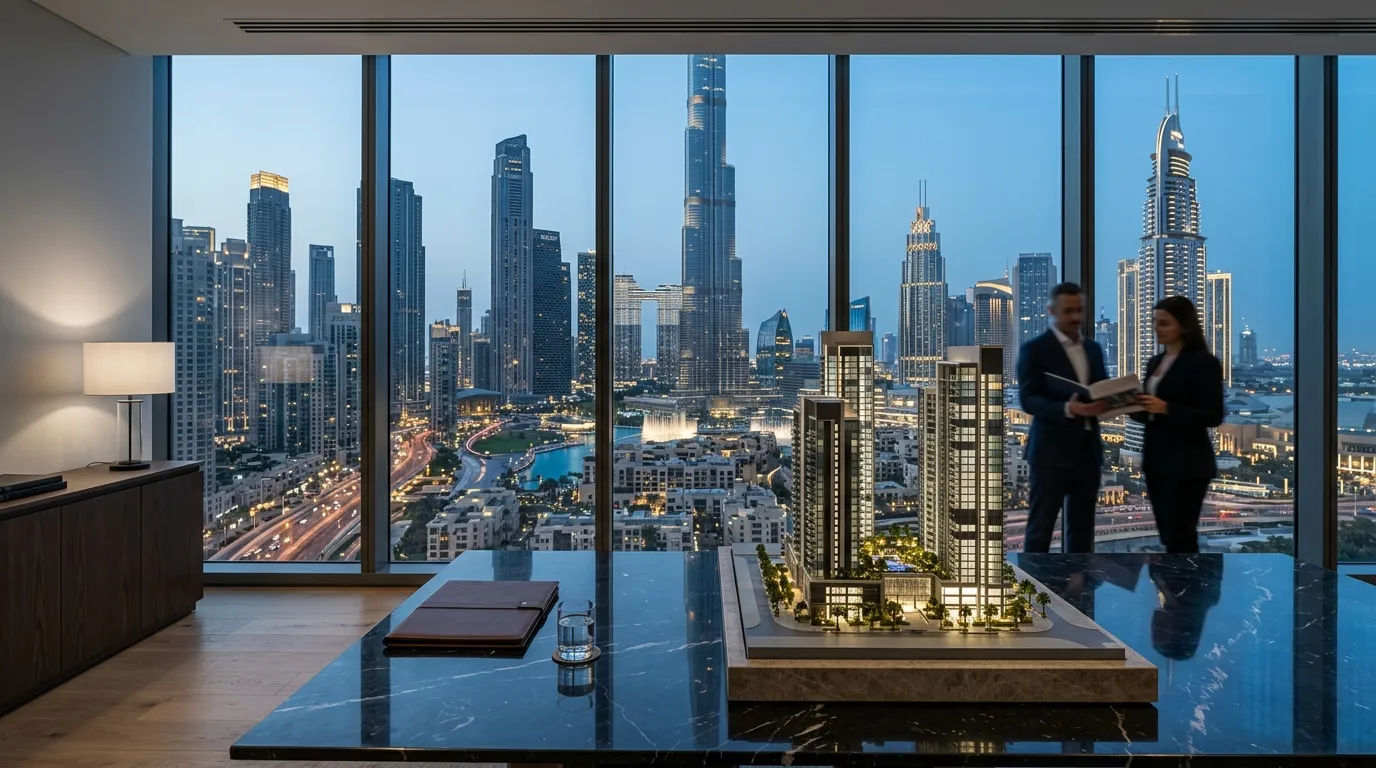
Dubai's real estate market is recording a slowdown in transaction volume, but a deeper reading of indicators suggests that what is happening is a healthy cooling of an overly hot market, rather than the start of a downward spiral that might worry investors or signal the end of the growth cycle.
Foreign investment stands out as a key balancing factor in the current landscape, as Dubai continues to attract diverse international capital that finds in its market a rare combination of regulatory openness, transparency, legal certainty, and quality of life—factors not available to the same extent in competing regional or international markets.
The market's resilience is reflected in the strength of property values in prime projects and areas, where sales velocity is slowing without prices dropping significantly, indicating that sellers are not under desperate pressure to make concessions, thereby preventing the slowdown from turning into severe downward price pressure.
Through its advanced regulatory framework, Dubai seeks to transform this phase from a mere automatic cooling into a strategic positioning: building a more mature and diverse buyer base, encouraging investment driven by end-use rather than speculation, and enhancing international market confidence in the emirate as a premier long-term real estate destination.
**What do these terms mean?**
**Healthy Cooling:** A term used to describe a phase of moderate slowdown following significant market rises, without turning into a sharp correction or crash; it is often considered necessary for sustainable growth and bubble avoidance. **Correction:** A noticeable decline in prices or demand after a period of excessive rise, considered a harsh correction when the drop exceeds 20% or is accompanied by a severe decline in liquidity and transaction defaults.
Weekly Newsletter
Read between the lines before everyone else. Decode the most important economic, tech, and decision-maker movements in the region.. in 5 minutes every Saturday.