
Brent Drops Below $100 as Middle East Exports Recover and G7 Releases Emergency Reserves
Brent crude falls 1.8% to $98.48 a barrel and West Texas Intermediate drops 1.6% to $88.01 as Middle East exports recover and the G7 releases emergency reserves.
Listen to this story
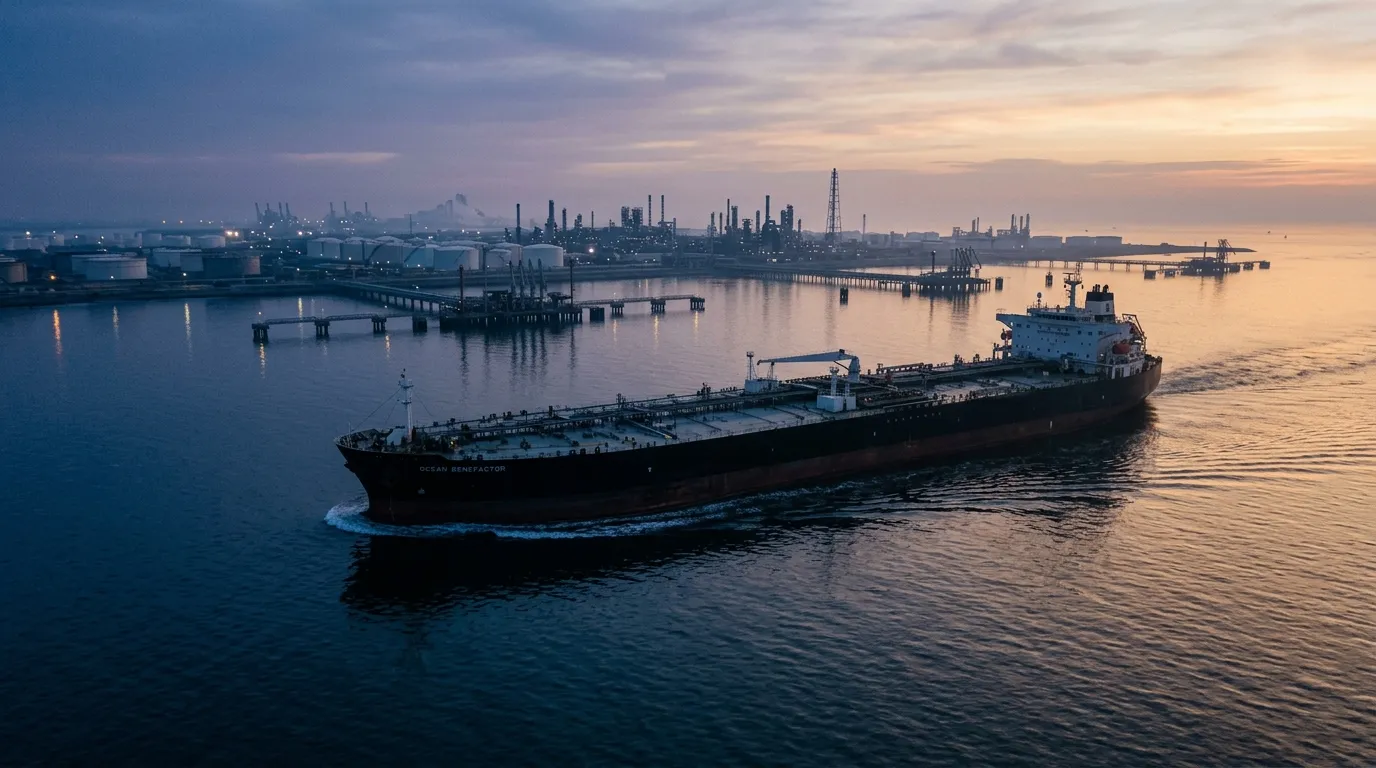
Brent crude futures fell $1.84, or 1.8%, to $98.48 a barrel, while West Texas Intermediate crude dropped $1.42, or 1.6%, to $88.01, as reported by Reuters citing the MarketScreener platform. The decline came after resilient Middle Eastern exports and a G7 plan to release emergency reserves eased supply shortage fears, driving Brent below the $100 per barrel mark.
John Evans of analytics firm PVM said Brent was "struggling around the $100 a barrel mark," adding that expectations of increased crude flows "dampened price enthusiasm." He noted that traders are reassessing supply risks in light of improving export indicators from the region.
The CEO of Vitol explained that around 12 million barrels per day of crude and 2 million barrels per day of refined products left the Middle East over the preceding week to ten days, reflecting a tangible recovery in export flows following earlier disruptions.
The $100 per barrel level remains an important psychological benchmark for traders, determining whether the downward trend will continue or find support as the geopolitical risk premium recedes. Investors in the region are watching the impact of these levels on exporting nations' revenues and global energy costs.
What do these terms mean?
Brent Crude: A benchmark crude oil from the North Sea used as a pricing reference for much of the world's oil. West Texas Intermediate: The US benchmark crude traded on the New York Mercantile Exchange. Emergency Reserves: Oil stockpiles held by countries for emergencies and released into the market during supply shortages. Geopolitical Risk Premium: The price increase added by traders due to fears of supply disruption.
Weekly Newsletter
Read between the lines before everyone else. Decode the most important economic, tech, and decision-maker movements in the region.. in 5 minutes every Saturday.