
Russia clears local bourses to launch regulated crypto trading from Nov 22
The Bank of Russia has authorized domestic exchanges to launch regulated crypto trading on November 22. The Moscow Exchange targets a trading start around December 1.
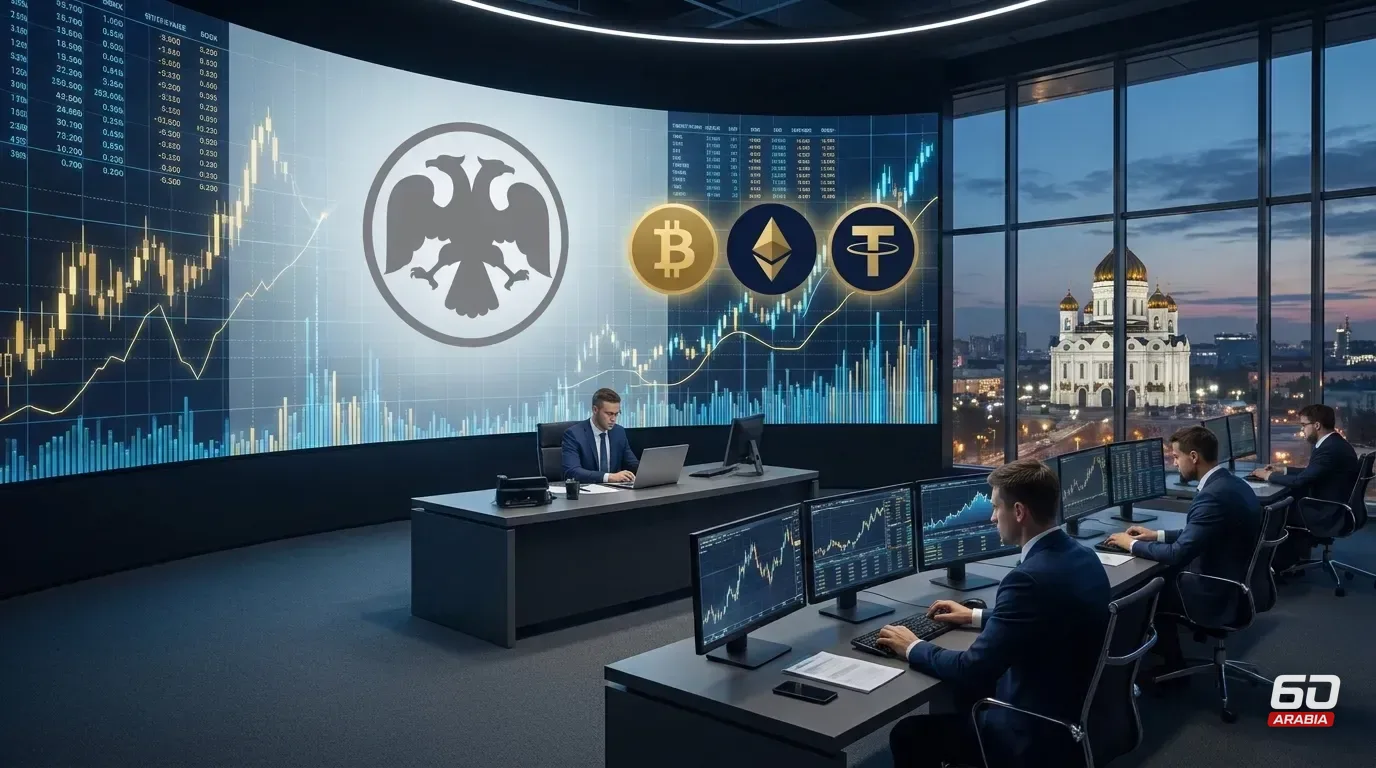
The Bank of Russia has issued a directive allowing domestic exchanges to begin organized cryptocurrency trading starting November 22, 2026. According to Crypto.news, CoinTurk, and CoinDesk affiliate reporting, the central bank registered the directive with the Ministry of Justice on November 11, 2026.
Non-qualified retail investors will gain access to Bitcoin, Ether, and Tether's USDT under an annual purchase cap of 300,000 rubles per intermediary. Qualified investors face no purchase limits under the regulatory framework.
Individual exchanges must secure central bank approval for their trading rules prior to launch. Russia's two largest bourses, the Moscow Exchange and the St. Petersburg Exchange, said they are targeting actual trading launches around December 1, 2026.
The framework follows Russia's crypto legislation passed in September 2026, establishing a regulated structure for exchanges, brokers, and digital depositories. The number of registered crypto exchange service providers in Russia jumped from four to seventeen between October 6 and late October 2026, according to CryptoBriefing.
The new rule makes Russia one of the first major sanctioned economies to establish a formal, regulated domestic venue for cryptocurrency trading.
What do these terms mean?
Cryptocurrency trading: The buying and selling of digital assets and tokens on organized financial exchanges or platforms.
Non-qualified investors: Individual retail investors who do not meet specific criteria regarding wealth, experience, or capital to trade higher-risk assets without limits.
Intermediary: A regulated entity, such as a broker or exchange, that executes transactions on behalf of buyers and sellers.
Digital depositories: Institutions licensed to store, manage, and keep records of ownership for digital financial assets.
Weekly Newsletter
Read between the lines before everyone else. Decode the most important economic, tech, and decision-maker movements in the region.. in 5 minutes every Saturday.