Analysts Estimate That an Escalation in Hormuz Could Add $15-$30 Per Barrel and Push Brent Above $100
Analysts estimate that any military escalation threatening the Strait of Hormuz could raise oil prices by $15 to $30 per barrel, pushing Brent crude above the $100 threshold for the first time in a while.
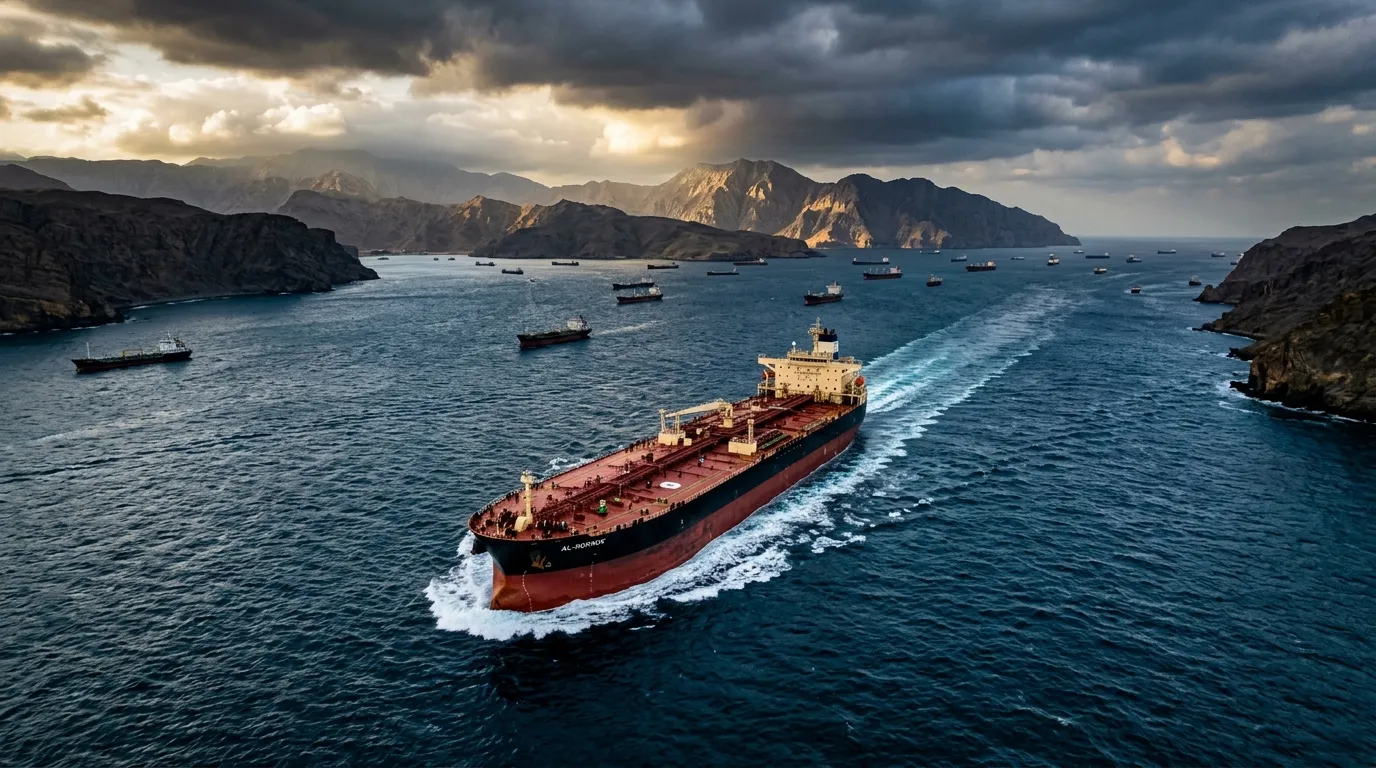
Financial analysts estimate that any military escalation threatening navigation through the Strait of Hormuz could add between $15 and $30 to the price of a barrel of oil, pushing Brent crude above the $100 level.
The Strait of Hormuz holds extreme strategic importance, as roughly 20% of total global oil trade passes through it, and any disruption to tanker traffic there generates an immediate shock to global crude prices.
Analysts noted that the geopolitical risk premium on oil prices has receded recently; however, any escalation in regional tensions will quickly reprice it in global markets.
Brent remains particularly sensitive to news from the region, as oil derivatives markets deal with escalation scenarios through immediate, amplified reactions that sometimes exceed the actual size of the impact, making geopolitical monitoring an essential tool for any trader in oil markets.
What Do These Terms Mean?
Strait of Hormuz: A narrow waterway located between Iran and Oman through which about one-fifth of global oil exports pass, making it one of the most vital maritime passages in the world.
Geopolitical Risk Premium: The portion of the oil price that reflects concerns related to security and stability in producing regions or along shipping lanes, rising whenever tensions increase.
Brent Crude: The main global benchmark for oil prices, extracted from the North Sea and used as a reference for pricing about two-thirds of global oil exports.
Weekly Newsletter
Read between the lines before everyone else. Decode the most important economic, tech, and decision-maker movements in the region.. in 5 minutes every Saturday.