
Article 3: Does a Trend Create a Real Brand?
Summary
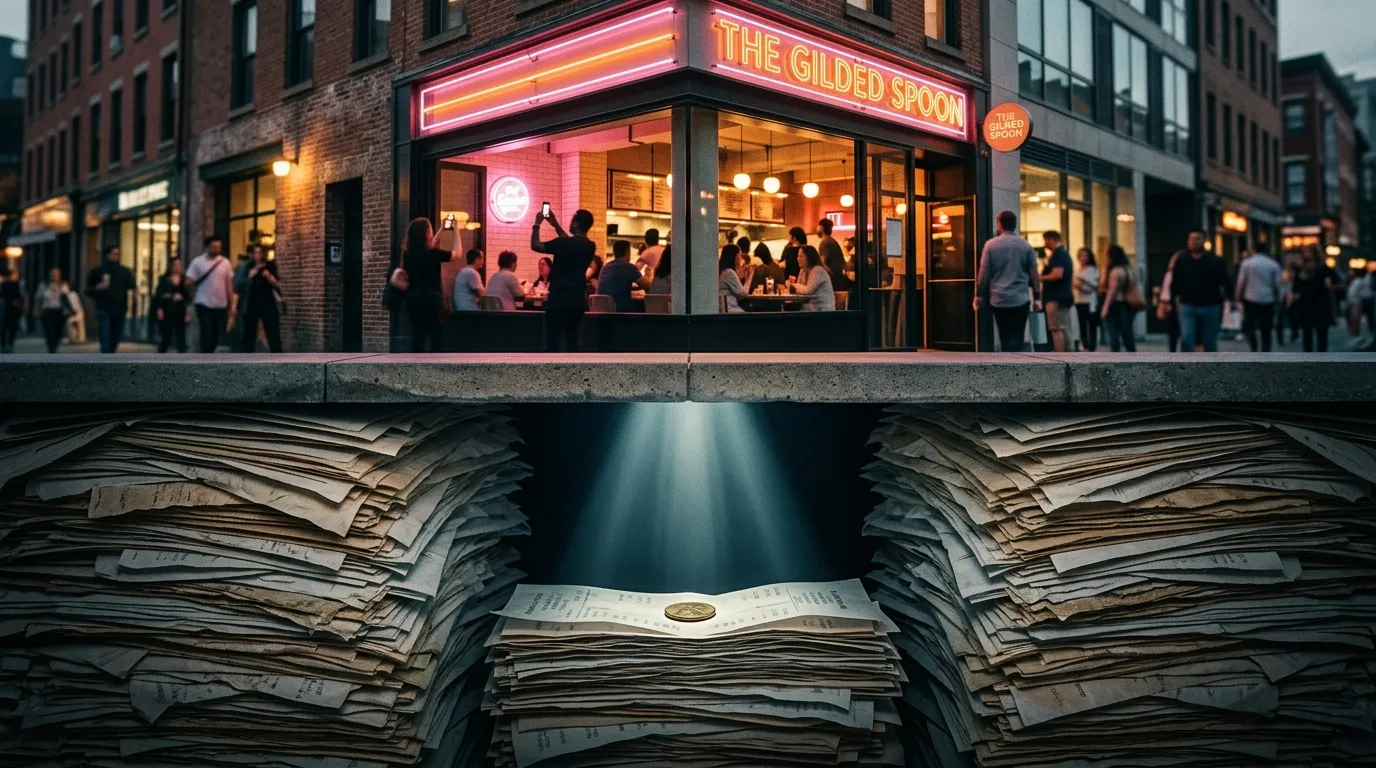
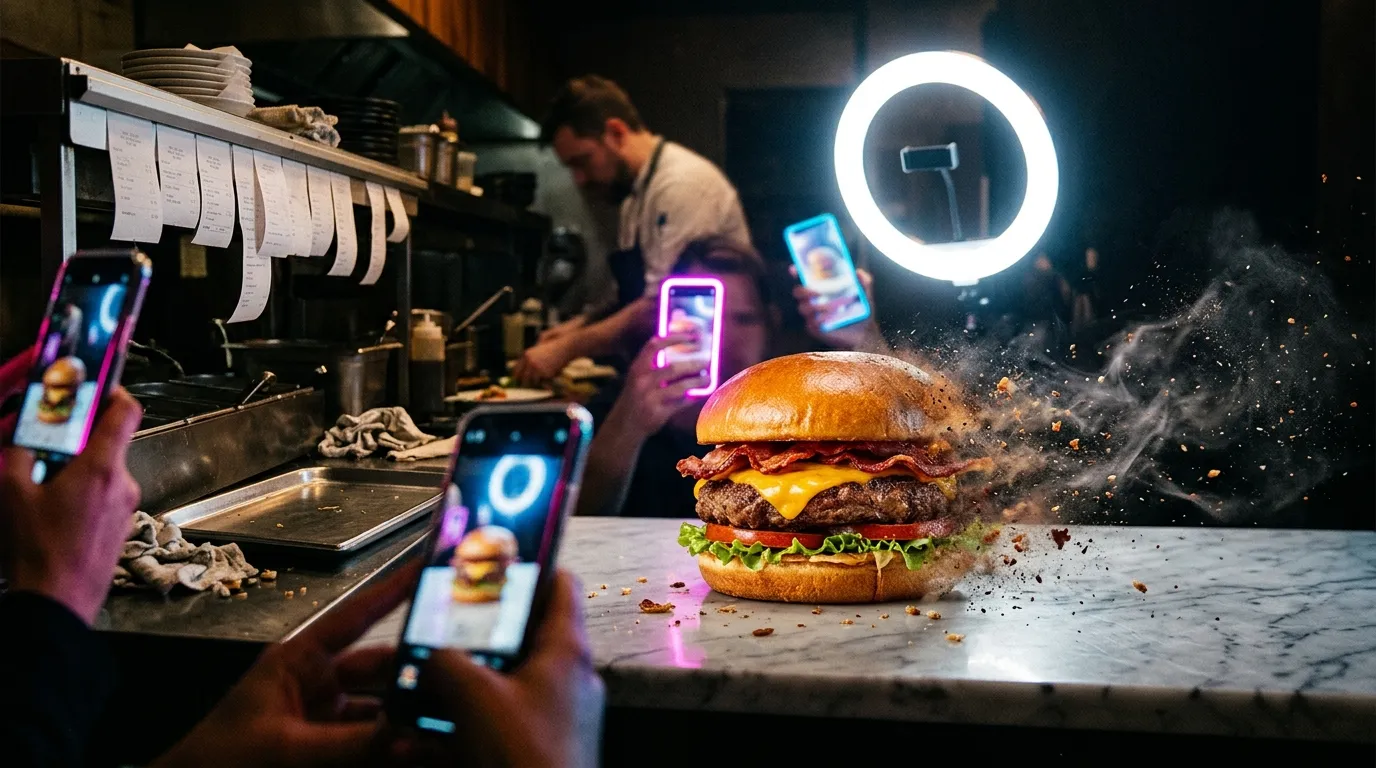
Seeing a product suddenly appear, and then turn into the talk of the town within weeks. A video going viral. Lines outside the branch. Did the trend create a real brand… or did it merely create temporary interest?
There is something very seductive in the restaurant world:
Seeing a product suddenly appear, then within weeks turn into the talk of the town.
A video going viral.
Lines outside the branch.
Influencers talking about it.
Orders surging.
And people starting to imitate the experience and share it.
So it seems the brand has succeeded.
But here we must stop at an important question:
Did the trend create a real brand… or did it merely create temporary interest?
The difference between the two might not show in the first month.
But it appears clearly once the hype settles down.
A trend can create demand
The power of a trend cannot be denied.
Social media has indeed become an important channel for discovering restaurants. In a Toast study of social media users, 62% said they sometimes check restaurant accounts before deciding to visit, and 40% said an influencer review affects their decision to try a restaurant.
So marketing can open the door to a large number of new customers.
And this is a very positive thing.
But the problem starts when management confuses:
Customer Acquisition
and
Customer Retention
Getting someone to try your restaurant for the first time is one thing.
Getting them to choose you again after the trend ends is something completely different.
What happens after the hype ends?
Let's assume a product becomes trending.
Within a short period, demand spiked significantly.
But after several weeks, interest began to decline.
Here the real question emerges:
What remains?
If the customer came only because they wanted to try something everyone was talking about, the relationship might end when the talk stops.
However, if the experience itself is good, the price is fair, quality is consistent, service is good, and the product is worth coming back for, the customer might turn from:
Curious Customer
to:
Repeat Customer
And here, the trend begins turning into real business value.
The problem is not the trend… the problem is relying on it
A trend is not an enemy.
On the contrary, it can be an excellent opportunity.
But the mistake is for the trend itself to become the business model.
Because a brand that constantly needs:
a new viral product,
a new campaign,
a new influencer,
and a new trend,
just to maintain sales…
might actually be chasing demand instead of building sustainable demand.
Here, management must ask:
Are we building a brand… or chasing attention?
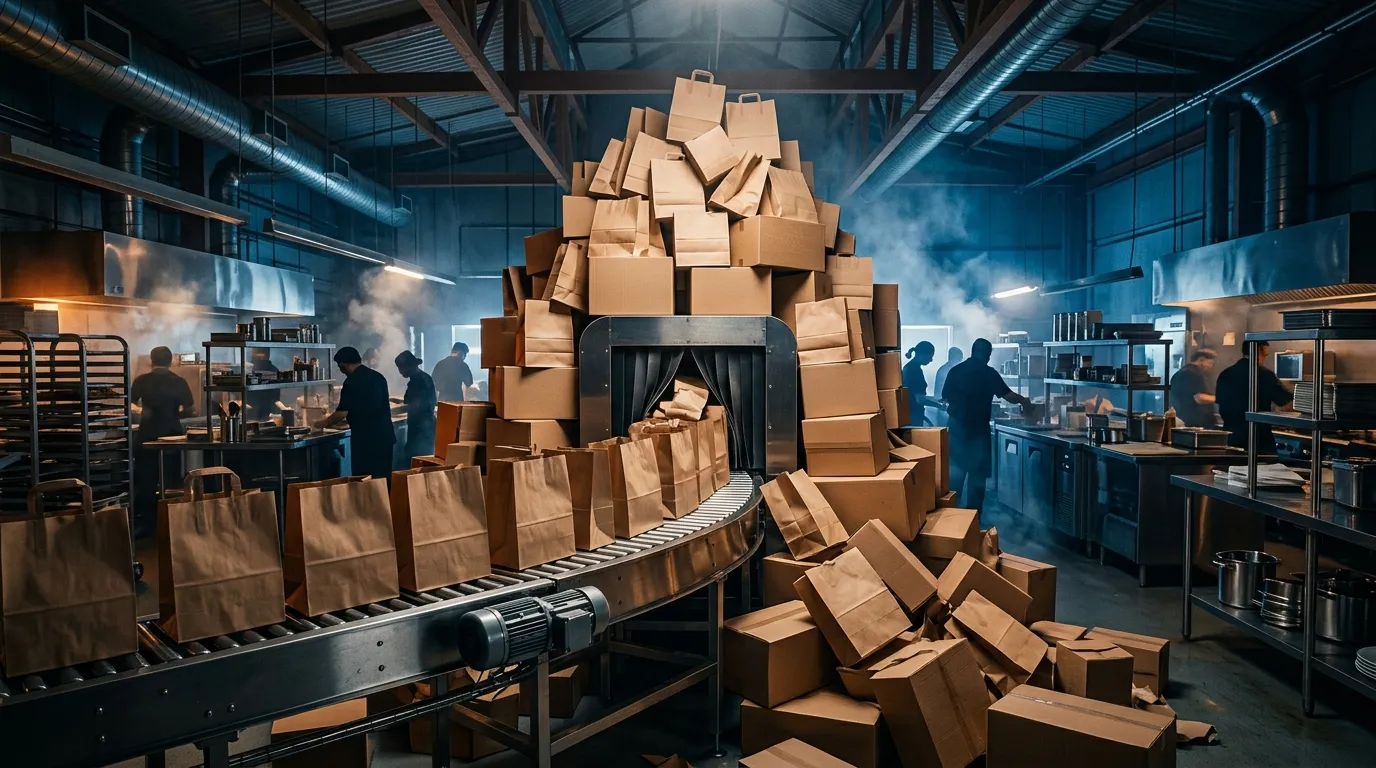
A trend puts pressure on the system, too
And this point is often unseen by the customer.
If demand suddenly spikes, pressure doesn't just fall on marketing.
Rather, it spreads to the entire system.
Procurement needs larger quantities.
Suppliers need to respond.
Inventory needs planning.
The kitchen needs higher output.
Staffing needs to handle higher volume.
And delivery needs greater capacity.
So if the system isn't ready, the campaign's success can turn into an operational problem.
Marketing might create demand in a single day.
But supply chain and operations might need weeks or months to prepare for this demand.
Here emerges one of the most important rules in the food business:
“Do not ask from the market more than your system can deliver.”
From Trend to Brand
The true transformation happens when management leverages temporary interest to build a long-term relationship.
And this means asking:
Is the product worth returning for?
Is the quality consistent?
Is the experience repeatable?
Does the price remain acceptable?
Does the customer have a reason to return?
Do we know who our customers are?
And can we convert a portion of new customers into repeat customers?
This point has become even more important as the restaurant sector increasingly focuses on customer retention. Toast data for 2026 indicates that just 7% of the guest base in a sample of restaurants can generate up to 50% of order volume, highlighting the value of repeat customers to the business.
The numbers here pertain to Toast's data and its sample, and should not be generalized to every market, but they illustrate an important principle:
A small number of repeat customers can be far more valuable than a large number of customers who tried the brand once.
What does a smart brand do when it starts trending?
It doesn't just celebrate.
It seizes the moment.
It uses the new traffic to learn.
It monitors:
Who came?
What did they buy?
Did they come back?
Which products caught their interest?
What made them return—or not return?
Then it begins building an experience that makes the customer want to return even after the trend ends.
Here, marketing transforms from merely a tool to attract people into a tool for building a relationship with them.
A trend is a beginning… not a strategy
A trend can give a brand:
Visibility
Traffic
Trial
Word of Mouth
But on its own, it cannot give it:
Consistency
Profitability
Operational Stability
Customer Loyalty
Sustainability
These things require a system.
That is why the question after any successful trend should not be:
"How do we leverage fame?"
but rather:
"How do we turn fame into a sustainable business?"
Because the easiest thing is to get people talking about you.
The hardest thing is to get them to return to you after they stop talking about you.
And right here lies the difference between:
Food Trend
and
Food Brand.
What We Don't See Behind the Food Brand
Weekly Newsletter
Read between the lines before everyone else. Decode the most important economic, tech, and decision-maker movements in the region.. in 5 minutes every Saturday.