

Sweden mandates Microsoft Copilot despite banning ChatGPT and Claude
تحظر الحكومة السويدية استخدام ChatGPT وClaude على أجهزتها الرسمية، وتلزم موظفيها باستخدام Microsoft Copilot لدواعي سيادة البيانات.
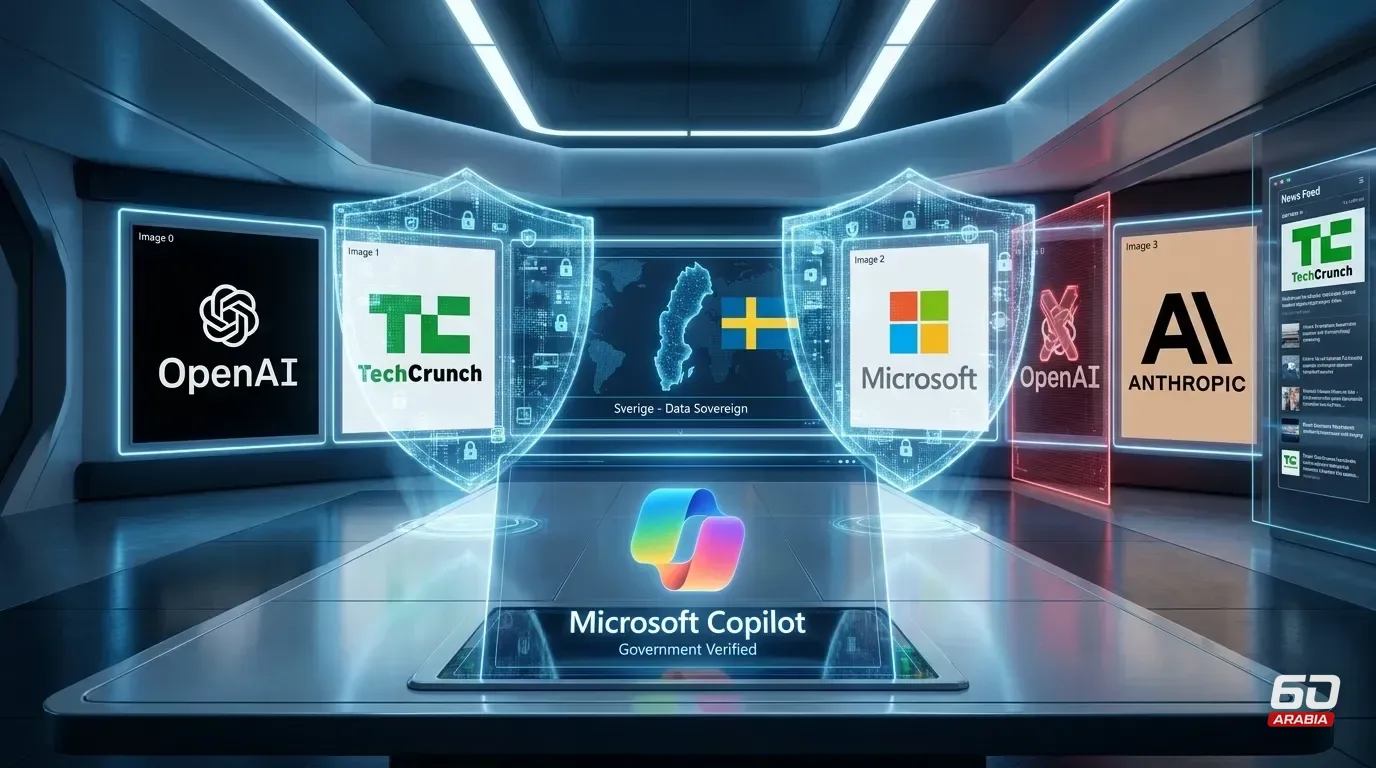
Sweden's Government Offices will block ChatGPT and Claude on all work computers, requiring staff to use Microsoft Copilot instead. The decision cites data sovereignty concerns and alignment with government-use provisions under the European Union AI Act, according to a report by Daily Northern.
The government mandate makes Sweden one of the first EU member states to formally exclude consumer artificial intelligence products from public sector use. The policy requires civil servants to transition entirely to Microsoft Copilot for daily work tasks.
The move creates potential revenue risks in the European public sector for developer Anthropic and OpenAI. Meanwhile, Microsoft benefits directly from the mandate due to its strategic positioning as a safe artificial intelligence vendor offering sovereign cloud solutions.
The restriction follows the ongoing implementation of the EU AI Act, whose Digital Omnibus amendments went into effect on July 27, 2026. Under the regulation, the EU AI Office enforces rules that include fines reaching up to 35 million euros or 7 percent of global turnover for prohibited practices.
Compliance deadlines for standalone high-risk artificial intelligence systems in fields such as hiring and credit scoring are set for December 2027. Rules for artificial intelligence embedded in regulated products will follow in August 2028, as European governments align public sector operations with data security standards.
What do these terms mean?
Data sovereignty: The legal concept that digital data is subject to the privacy laws and governance structures of the country in which it is collected or processed.
Sovereign cloud: A cloud computing architecture designed to keep data within a specific geographic region and ensure strict compliance with local laws and regulations.
Turnover: The total amount of gross revenue generated by a business during a specific period, often used by legal authorities to determine regulatory fines.
Weekly Newsletter
Read between the lines before everyone else. Decode the most important economic, tech, and decision-maker movements in the region.. in 5 minutes every Saturday.