

Odds of Fed Rate Hike in September Drop from 50% to 31%
Three consecutive weaker-than-expected US economic indicators reduced the likelihood of a Fed rate hike in September from 50% to 31%, providing support for gold and risk assets.
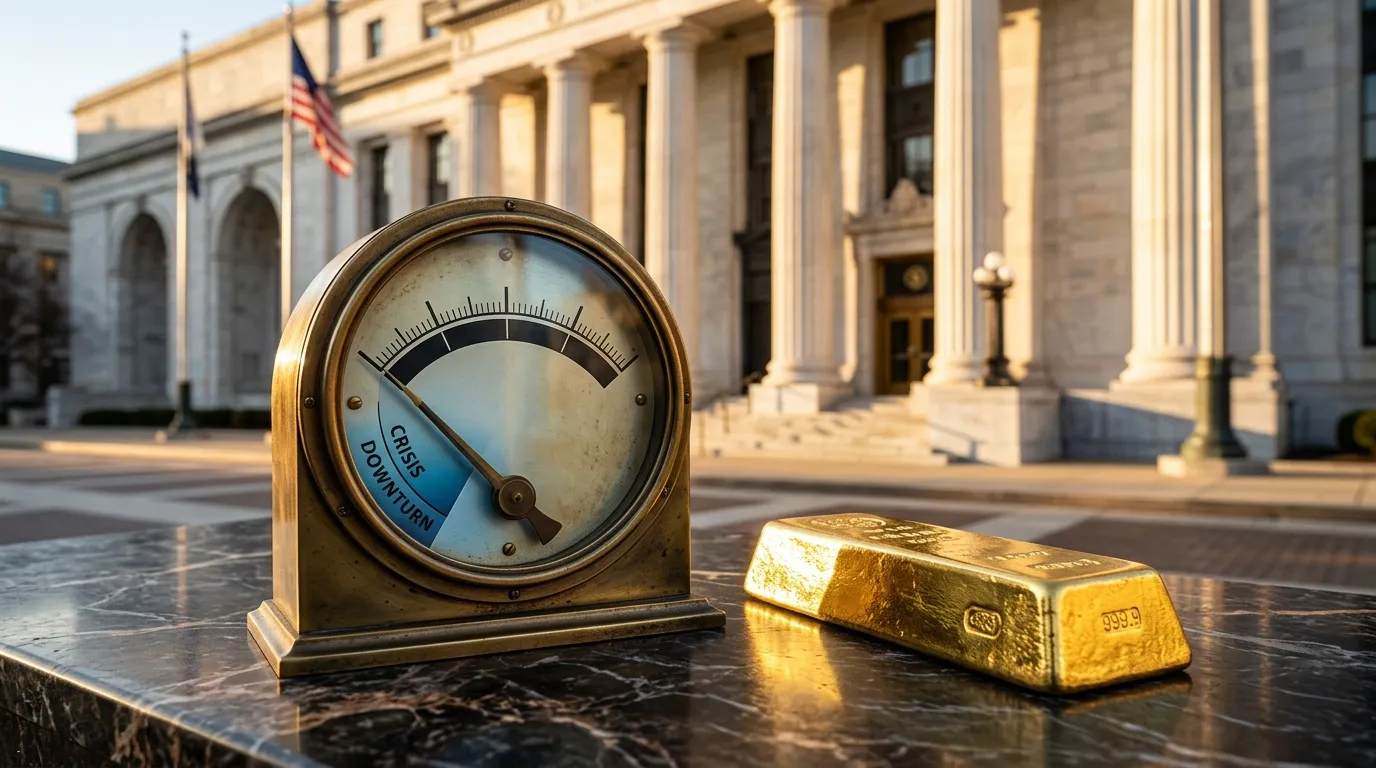
Financial markets reduced their estimates for the probability of the US Federal Reserve raising interest rates at its September meeting from about 50% to just 31%, following the release of three consecutive weaker-than-expected US economic data points that weighed on traders' assessments of the monetary policy path.
The impactful data included cooler-than-expected Consumer Price Index readings, a decline in initial jobless claims, as well as weakness in industrial production data, which altogether suggest that the Fed will adopt a more cautious stance at its upcoming meeting.
Gold responded immediately to this shift, as the yellow metal traditionally benefits from any drop in rate hike expectations because higher interest rates increase the implicit cost of holding a non-yielding asset like gold, and any relief from these pressures enhances its relative appeal.
Market strategists believe that the difference between a 50% and 31% probability is not just a number, but represents a shift in general market sentiment and rearranges the priorities of investors who had hedged against a rate hike by selling gold and buying the dollar, and must now reverse those trades.
What Do These Terms Mean?
Fed Probabilities (Fed Funds Futures): Financial instruments traded in the markets whose prices are used to derive traders' expectations regarding Fed decisions. When this probability changes from 50% to 31%, it means market expectations have shifted toward holding interest rates steady.
Tight and Loose Monetary Policy: Tight policy means raising interest rates to curb inflation, which weakens gold. Loose policy means cutting or keeping interest rates steady, which boosts gold. The Fed balances the dual goals of full employment and price stability.
Consumer Price Index (CPI): Measures the average change in the prices of a basket of goods and services purchased by consumers. It is the primary measure of inflation in the United States, and its readings guide the direction of the Fed's monetary policy.
Weekly Newsletter
Read between the lines before everyone else. Decode the most important economic, tech, and decision-maker movements in the region.. in 5 minutes every Saturday.