
September Between Hormuz and the Fed: How Does the War Reach the Gulf Investor's Pocket?

Summary
Only 4 ships crossed Hormuz compared to an average of 13. If the bottleneck continues, the war shock will reach the Gulf via oil, interest rates, and the dollar before it reaches stock market screens.
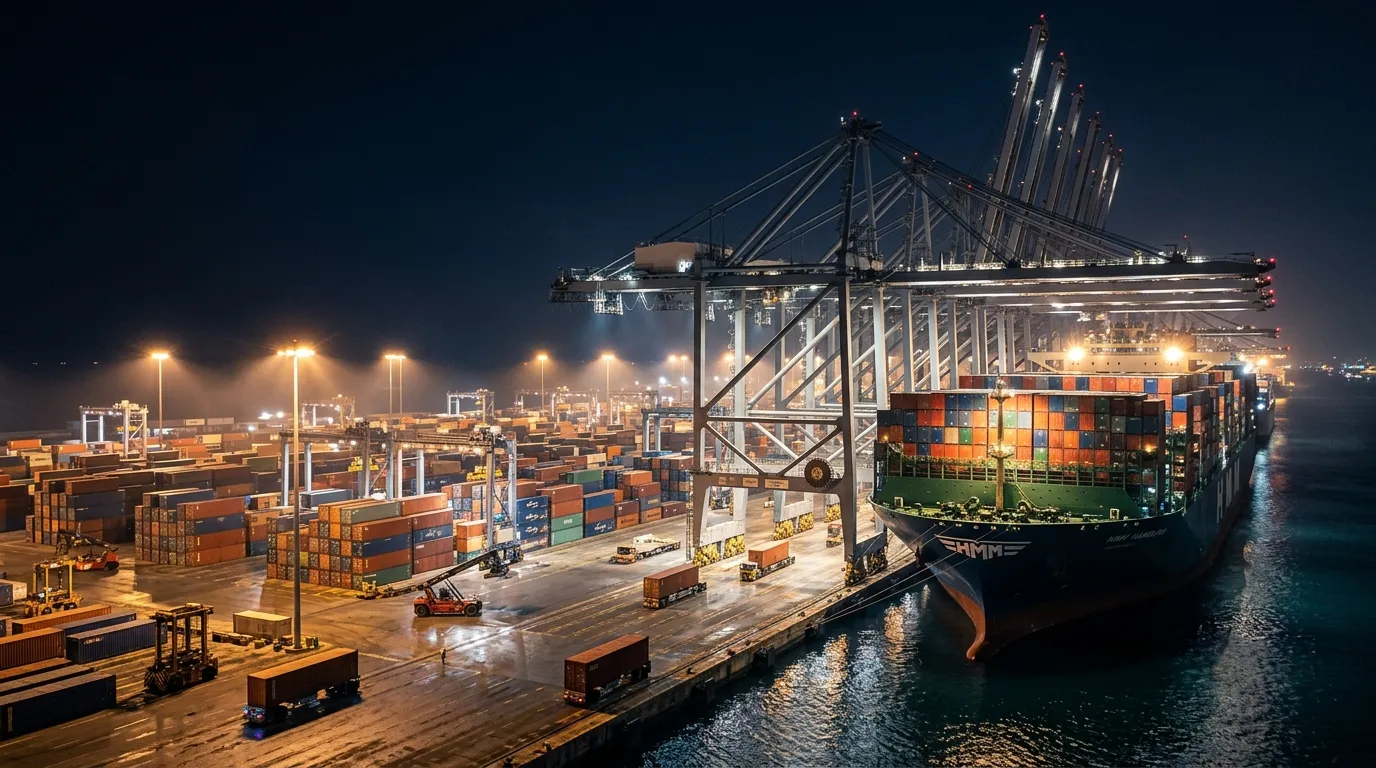
Only four commodity ships transited the Strait of Hormuz on September 2, compared to an average of nearly 13 ships over the previous ten days. In Bab al-Mandab, 18 ships passed through compared to an average of nearly 24. At the end of the week, Brent closed at $96.28 per barrel, up 7.6%. These figures are enough to understand the month of September; war is pressuring two maritime chokepoints simultaneously, while the price of energy and the cost of money rise together.
The shock begins at sea, where a decline in ship transits means that oil and gas may exist in the fields, but delivering them to the buyer has become harder and more expensive, as tanker rates and insurance costs soar while buyers add a risk premium. That is why oil prices can rise even without a corresponding drop in production volume. This was clearly evident when Qatar and the UAE were forced to use rare and costly ship-to-ship transfers for LNG cargoes outside Hormuz, while spot gas prices in Asia surged to more than double their pre-war level.
The shock then moves to Washington when oil and diesel prices rise, leading to a corresponding increase in transport and production costs in the United States, thereby heightening the Federal Reserve's fear of a resurgence in inflation. Following the strong jobs report released on September 4, the probability of an interest rate hike this month rose to around 60%, and the 10-year US Treasury yield reached nearly 4.8%.
Here, the war reaches Gulf stock markets in the usual manner. Gulf currencies are pegged to the dollar, making it difficult for local interest rates to diverge from US rates for long. Oil at $100 supports government revenues, while higher interest rates make financing for real estate, projects, and corporations more expensive. A state can grow richer from oil exports in the very same month that borrowing becomes costlier for a company listed on its stock exchange.
This is the relationship that explains why not all Gulf stocks rise when oil goes up.
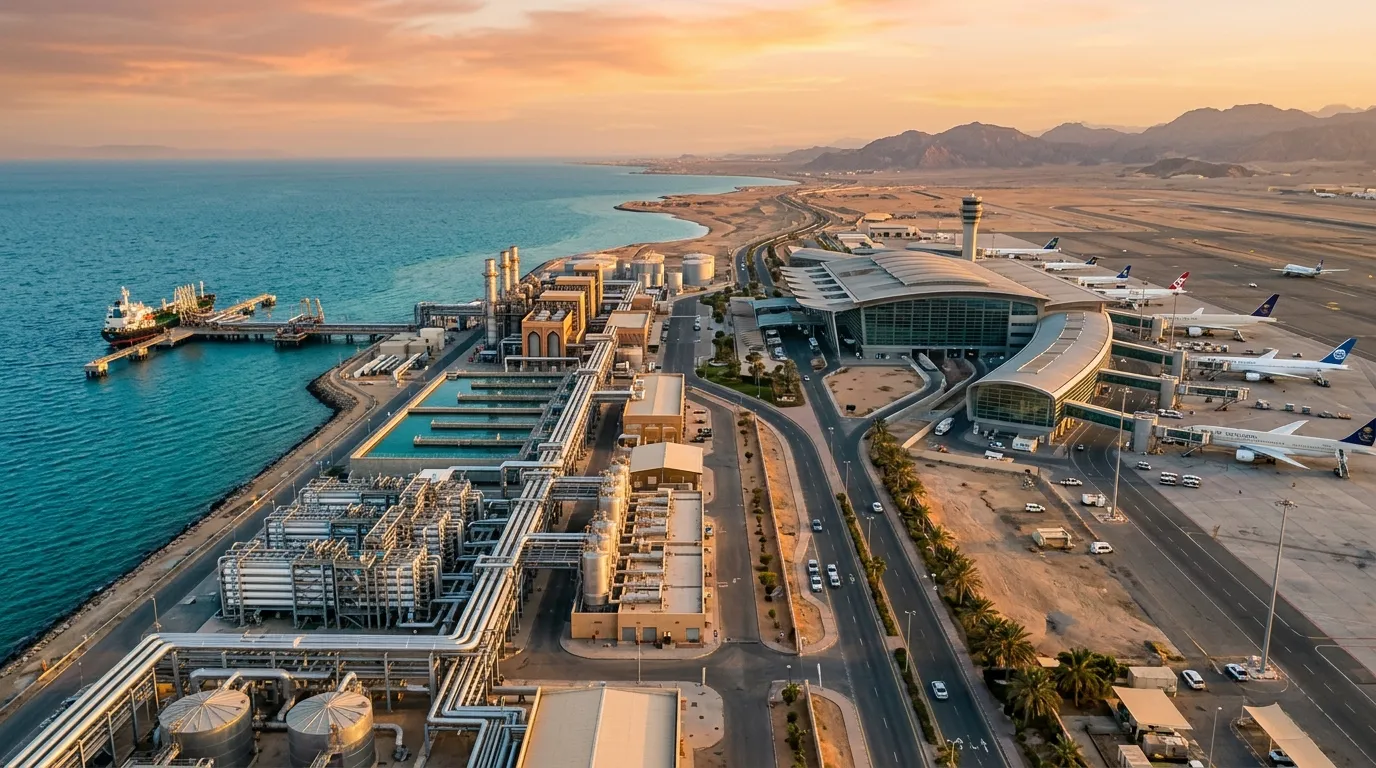
Saudi Arabia possesses an important hedge against tensions in the Strait of Hormuz via the East-West Pipeline and Red Sea ports. However, this protection becomes less complete if navigation deteriorates in Bab al-Mandab as well. In that scenario, the Kingdom can move oil out of the Gulf, but some Asia-bound cargoes are forced into a longer, more expensive journey. Thus, the dual pressure on Hormuz and Bab al-Mandab transforms the Red Sea from an "alternative route" into part of the risk itself.
As for the UAE, it certainly boasts a more diversified economy, with Dubai showing resilience despite the war as non-oil activity data came in strong. Meanwhile, the war made clear that Qatar is more sensitive to LNG tanker traffic through Hormuz. Kuwait benefits from energy revenues, while the dinar's peg to a currency basket provides a slightly wider monetary margin than direct dollar-peg regimes. Hence, the war may yield four different responses within the GCC despite the geopolitical news being the same.
It is worth noting that Europe is already suffering from elevated energy prices even before the end of summer, and India is suffering from its oil import bill, while the 10-year Japanese government bond yield approaches historic highs with potential Bank of Japan tightening. If Japanese institutions repatriate a portion of their funds from US Treasuries back home, the global cost of the dollar could rise further. Tokyo could then effectively raise project financing costs in Riyadh or Dubai without any decision being taken in the Gulf.
Therefore, the most likely path for the remainder of September is for Brent to stay roughly between $92 and $105 as long as navigation remains disrupted without a full halt. This range implies a Gulf receiving high oil revenues, but dealing with high interest rates as well as costlier insurance and shipping. Conversely, if ship traffic improves noticeably and Brent falls below $90, the war premium will wane, supporting real estate, banking, and finance-dependent equities—even if governments lose part of their extra oil revenue.
However, if Brent exceeds $105 alongside further declines in traffic through Hormuz or Bab al-Mandab due to mutual military escalation, the market will enter a different phase. At $110–$120, the cost of war begins spreading rapidly into aviation, shipping, consumption, and interest rates. At that point, higher oil becomes less beneficial for Gulf stock exchanges than the price alone would suggest.
Thus, the most crucial metric in September is certainly not the Tadawul index or the price of Brent, but rather the number of ships transiting Hormuz and Bab al-Mandab, followed by the 10-year US Treasury yield. If navigation improves and the yield falls, the shock will begin to subside. But if both worsen together, the war will have shifted from the sea to the cost of money—at which point its impact on Gulf equities will be far broader than the energy sector alone.
Before it happens
2027 and the Battle to Own the Tourist's Bill

من لا يقيس الكربون سيدفع ثمنه في ٢٠٢٧

$500 Million Seeking a Buyer! Nigeria Achieves a Quantum Leap in the Knowledge Economy

Winter 2027 Could Raise Tea Prices Across the Arab World… So Who Will Pay More?
Weekly Newsletter
Read between the lines before everyone else. Decode the most important economic, tech, and decision-maker movements in the region.. in 5 minutes every Saturday.