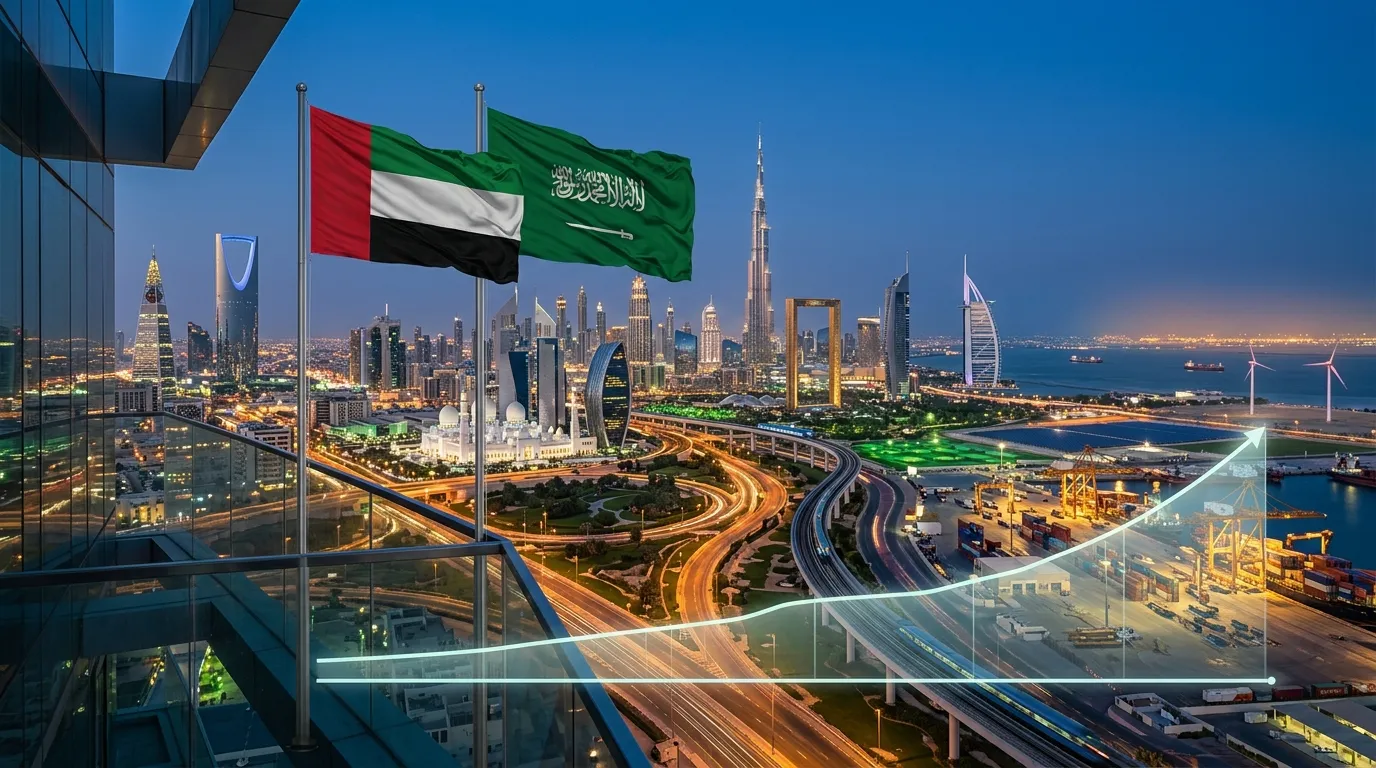

The Soaring Economy and the Crawling Citizen... Has the Renaissance Begun in Rwanda and Guinea?

Summary
What if your country got richer while you got poorer? If the economy jumped by 10%, who swallowed the difference before it reached your pocket? Are Rwanda and Guinea creating wealth for their citizens or an economy that doesn't need them?
Rwanda and Guinea will enter 2027 achieving something that most developing economies wish for: the economy in both will grow much faster than population growth. The African Development Bank projects real growth of 9.8% for Guinea, while the IMF projects 7.2% for Rwanda. Population growth, according to the latest World Bank data, is around 2.3% and 2.2%, respectively. If demographics remain close to this pace, real GDP per capita could mathematically rise by about 7.3% in Guinea and 4.9% in Rwanda.
Real output per capita divides a larger economy by the population size, but it does not measure what entered the household's pocket nor what it can buy. A country can record 10% growth because a massive mine sold millions of tons, or because the state sold some of its resources for a huge sum of money, while wages across broad sectors remain nearly stagnant. Another country can grow by only 7%, but electricity, roads, higher-productivity jobs, and social services make a larger portion of this increase felt in daily life.
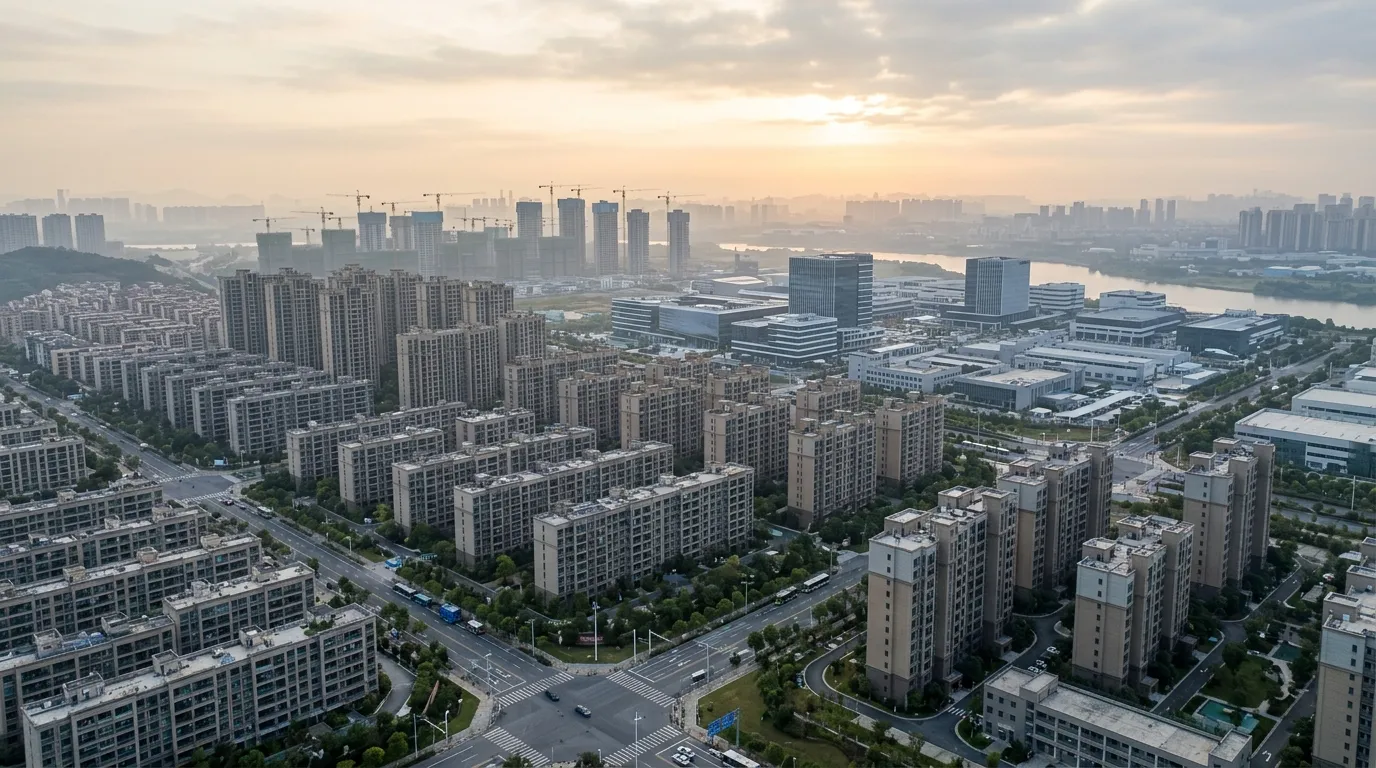
Rwanda reveals the most complete picture so far, as its economy grew 9.4% in the second quarter of 2026 compared to the same period in 2025, with industry rising 18%, construction 24%, and information and communication services 29%. Capital formation increased by 32% and imports by 36%, while household consumption rose 13%. This is an important point because investment did not move in a sphere completely detached from household demand, but it also created a heavy reliance on imported goods and equipment.
The IMF expects growth to moderate to 7.2% in 2027, with average inflation reaching 6.5%, a current account deficit equivalent to 12% of GDP, public debt at 72.9%, and a fiscal deficit of 4.8%. Therefore, Rwanda will face a clear paradox, as the economy will grow rapidly, but rising prices of imported goods can absorb part of the improvement before it reaches the citizen. The Fund specifically points to the country's sensitivity to oil, food, and fertilizer prices due to its reliance on imports.
To understand what this means inside an ordinary home, a simple mathematical example suffices. If a household's income rises by 7% while its shopping basket increases by 6.5%, the real increase in its purchasing power will be only about half a percentage point. This is merely an example, not a forecast for Rwandan wages, but it illustrates why a citizen can live through a fast-growing year without feeling the published growth rate itself.
In reality, however, Rwanda possesses stronger historical evidence than forecasts that growth can filter down to the household. Between 2017 and 2024, real per capita GDP rose 37%, while real per capita consumption rose 27%. Poverty, according to the updated national methodology, dropped from 39.8% to 27.4%, equivalent to about 1.5 million people emerging from poverty over seven years. The gap between 37% and 27% is also important: what the economy produced grew faster than what the individual consumed, meaning part of the increase went into investment and accumulation rather than immediate consumption.
Welfare appears more clearly in infrastructure, as electricity reached 72% of households in 2024, up from 34% in 2017. Around 90% reached an improved water source, and 96% of households live within a twenty-minute distance of an all-season usable road. The social protection program VUP reaches around 391,000 households comprising nearly 1.6 million people through direct support, public works, financial services, nutrition programs, and skills development.
These figures explain a mechanism that does not appear in GDP and inflation numbers. When a household gets electricity, its income does not necessarily increase, but the bill for lighting or charging may decrease, and a small shop can operate longer hours. When a road approaches a farm, the cost of transporting crops and going to market drops; purchasing power actually improves here because the cost of accessing goods and services decreases, not because the state sent a larger cash income—something that may elude many.
However, Rwanda still carries a large social divide, with poverty standing at 9.1% in Kigali in 2024, while reaching 31.6% in rural areas and 37.4% in the Western Province. The 2025 Labor Force Survey showed that 56% of the expanded labor force suffers from some form of labor underutilization, a metric that includes unemployment, underemployment, and those on the margins of the job market without employment. The Household Living Conditions Survey also showed that 62% of employed individuals were tied to agriculture. Therefore, the gains of a tech company in Kigali will not automatically transfer to a farmer in the west.
This is where the knowledge economy enters individual welfare through scientific research, where Rwanda ranks 104th globally and first among low-income economies, while Guinea ranked 133rd. Rwanda ranked 35th in institutions and 83rd in human capital and research, but placed 116th in innovation outputs compared to 86th in inputs, indicating that the economy is building research capacity faster than translating it into marketable products.
Scientific research data confirms this gap. Gross Domestic Expenditure on Research and Development (GERD) reached about 129.9 billion Rwandan francs in 2022 and 2023, or 0.79% of GDP. Universities executed 49.9% of it and the government 37.1%, while business enterprises executed only 5.9%. This is the bottleneck that will define an important part of the 2027 trajectory. Universities can produce knowledge, but sustainable wage increases require fast-growing startups capable of translating this knowledge into products, contracts, exports, and high-productivity jobs.
Ampersand illustrates how this happens. The company raised $21.5 million during the twelve months ending in August 2024. By May 2025, its ecosystem was operating more than 5,700 electric motorcycles covering about 950,000 kilometers daily. Today, the company focuses on batteries, swapping stations, and fleet management software—parts that retain higher engineering value than mere motorcycle assembly. It states that driver energy costs drop by about 35% compared to fuel. When innovation lowers the daily operational cost for a taxi driver, it raises their disposable income even before their wage changes.
Charis UAS demonstrates another channel. In March 2026, the company revealed a survey mission executed in 2024 covering 5,184 square kilometers across nine regions, processing over 60 billion LiDAR points. Citizens do not buy this data, but road engineers, farmers, and water planners use it to reduce measurement errors, rework, and manage land and water with higher precision. Technology turns into welfare when it lowers the cost of an asset that everyone uses.
As for Akagera Medicines, it operates at the slower, deeper end of the chain. Founded in Kigali in 2018, it develops lipid nanoparticle-based therapies for infectious diseases. In July 2026, it announced positive initial data from the single ascending dose portion of the Phase 1 trial for AKG-100, targeting tuberculosis, including drug-resistant TB. The drug is still experimental, but the presence of a Rwandan pharmaceutical company reaching human trials means that part of the value can be shaped in intellectual property, clinical research, and scientific skills, rather than in importing final drugs alone.
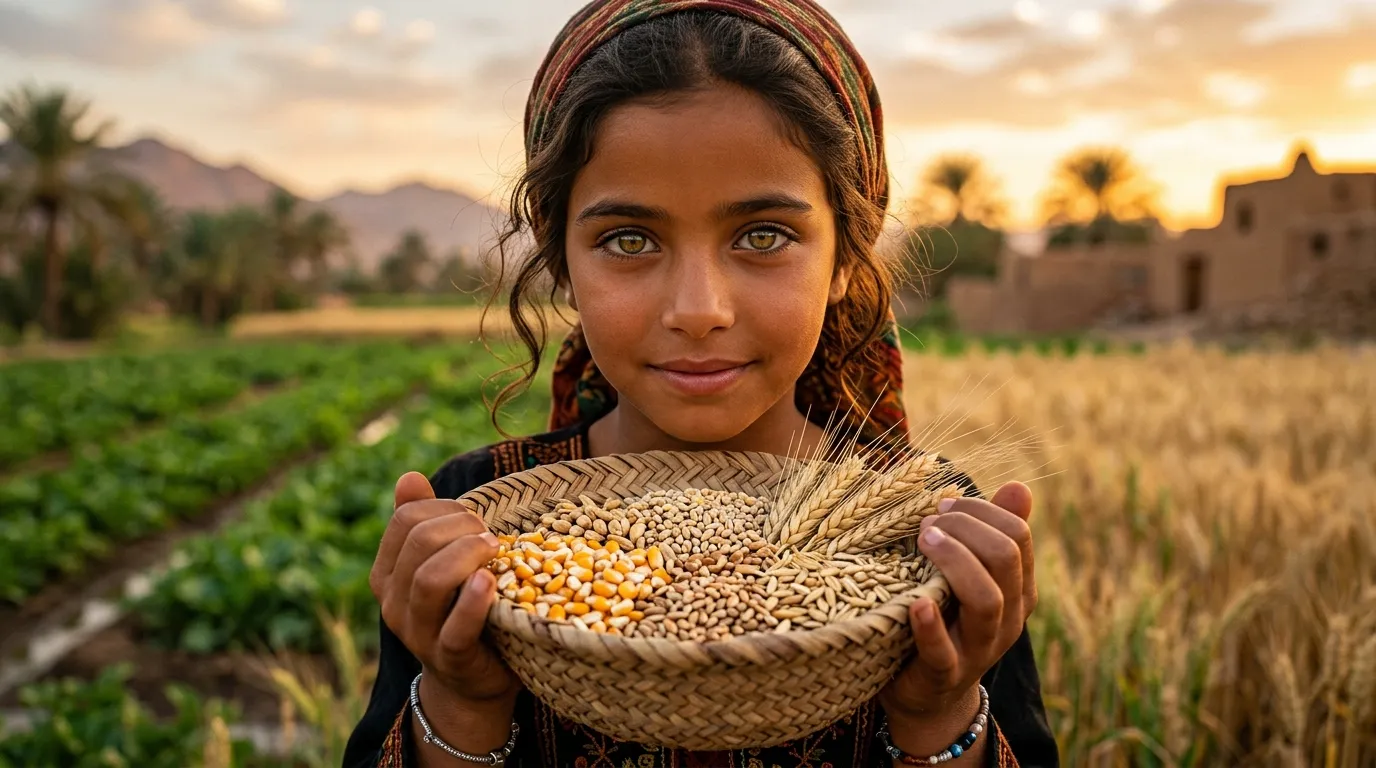
Guinea enters 2027 from almost the opposite position. It possesses a much more aggressive growth engine, but its transmission channels to the household remain narrower so far.
The Simandou ecosystem officially began operations in November 2025, and the first shipment of iron ore left Guinea in December. Railway network operations were completed in the first quarter of 2026. By the end of the first half, SimFer port facilities reached 85%, and some of their equipment began operating gradually in September, while the project aims to complete port commissioning during the first quarter of 2027. Once the ecosystem is complete, the shared infrastructure can support exporting up to 120 million tons annually from the Simandou mines.
For this reason, the African Development Bank projects a growth rate of 9.8% for Guinea in 2027 with inflation at 3.6%. The World Bank estimates growth at 8.8% in 2026, followed by an exceptional average of 11.1% during 2027 and 2028 as iron production ramps up. Inflation has already fallen to 3.2% in 2025. Combining rapid growth with more stable prices creates a better environment for purchasing power, but it does not guarantee the distribution of the gain.
The reason appears in the labor market, where approximately 47% of workers are employed in agriculture, according to ILO estimates published via the World Bank. In contrast, mining remains a highly capital-intensive sector. Simandou's construction work provided tens of thousands of temporary jobs. Rio Tinto states that SimFer alone employed over 25,000 people at peak construction, and related works contributed to around 60,000 jobs during the construction phase. As the project transitions to operation, labor requirements drop sharply. Reuters documented that project employment exceeded 60,000 at peak, while long-term operation is expected to require fewer than 15,000 across mines, ports, and railways.
This is the Guinean paradox: output per capita could mathematically rise by more than 7% in 2027 while thousands of workers lose temporary construction jobs in the very regions driving this leap. The impact of Simandou on welfare will need to pass through other channels, most importantly taxes, local procurement, infrastructure, agriculture, and services.
Some of these channels have already begun to widen. The Nafa project, supported by the International Development Association (IDA), funds a productive safety net with total funding of $200 million. So far, about 140,000 households have benefited from emergency transfers and about 120,000 from regular transfers. In January 2026, the program launched a package to support the economic transition of about 15,000 vulnerable youth.
The rural divide remains the biggest test for this transition. Electricity reached 93.6% of urban residents in 2024, but did not exceed 29.4% in rural areas. Therefore, every dollar directed from mining revenue to a distribution network, cold storage, or agricultural road may yield a greater impact on living standards than a dollar remaining within the mining chain itself. Electricity lowers the operational cost of a mill or shop. Refrigeration reduces food loss. And roads expand the market where farmers can sell.
Despite this, the World Bank warned that the mining boom could appreciate the real exchange rate and weaken the competitiveness of non-mining sectors, including agriculture. A stronger currency may seem beneficial to consumers because it makes some imports cheaper, but it renders local producers less able to compete with imports or sell abroad. Urban consumers might then benefit from cheaper imported goods at a time when agricultural household incomes are squeezed. The success of 2027 will therefore depend on rural productivity, not on iron prices alone.
As for investment policy, it attempts to open this path. In June 2026, the World Bank approved a Partnership Framework for Guinea for the period 2027 to 2033, placing the creation of more and better jobs at its core, linking it to improved revenue management, education and health, energy, transport, and private investment. The framework was accompanied by $116 million in financing for commercial agriculture, $102 million for skills and innovation, and $75 million for revenue management and public spending. The agricultural project targets around 66,000 jobs, 250,000 farmers and rural households, and aims to mobilize $150 million in private capital by 2033.
State ownership of 15% of SimFer provides an additional financial channel alongside taxes, royalties, and other returns. However, the social impact will be determined by how revenues are utilized rather than by their legal percentage. Mine revenue can finance human capital, roads, and a power grid that last for decades, or its impact can expire with the iron price cycle.
There is no doubt that Guinea's scientific research sector started from a weaker base compared to its Rwandan counterpart, but it entered a new phase in 2026 when the Ministry of Higher Education and Scientific Research launched the PRIG program as the first national organized mechanism for competitive funding of applied research. The program funds four major projects valued between 4 and 5 billion Guinean francs each over 48 months, in mining and natural resources, agriculture and food security, health, biotechnology, and energy. The announced schedule sets contracting and actual implementation to begin in early 2027.
The choice of research areas is important because it places researchers before real economic demand: mining requires equipment monitoring, water treatment, computational geology, energy, and safety; agriculture requires better seeds, precise irrigation, and post-harvest loss reduction; and energy naturally requires research into designing and producing storage solutions and mini-grids in a country where rural electrification is still under a third.
Several startups in Guinea have begun entering this arena. In September 2026, SoliBox won first prize in the Orange competition, worth 80 million Guinean francs, after developing a local prototype for a device that directs surplus solar energy from one home to neighboring homes and measures exchanged electricity. It plans a first village trial in 2027, targeting 100 households following a successful trial starting in 2028. The idea is economically significant because it can transform a solar panel from an asset that reduces its owner's bill into an asset that generates income for them and provides energy to their neighbor without purchasing a complete system.
Kumy is moving in precision agriculture. In August 2026, the company announced the launch of the first group of 'connected farmers' in partnership with Crédit Rural de Guinée, utilizing satellite data, AI, sensors, and climate information. These projects are still smaller and less mature than deep-tech companies in Rwanda, and this is precisely the gap that Simandou can bridge if mining and infrastructure companies become clients for local technology.
We can say that next year Guinea might win the real per capita output race by a clear margin, while Rwanda remains stronger in translating knowledge and public services into equitably distributed welfare among the population. But can Guinea narrow this gap quickly? Perhaps if it uses the Simandou boom to create local demand for technology, engineering, and modern agriculture, because this time it possesses what small innovation ecosystems usually lack: a massive industrial client with deep pockets and a real technical problem.
As for Rwanda, it has passed the stage of building most of the core channels for national economic renaissance, and its next challenge has become tougher: it needs to transform the research ecosystem funded by universities and government into companies that shoulder a larger share of R&D and export high-value products. If the business sector's share of R&D spending rises above its current level of around 6%, that might be a more important indicator of the future income trajectory than the number of new startups itself.
There is no doubt that Rwanda can now produce innovation and higher-skilled jobs, but it may see part of the gains eroded by energy, food, and import prices. Guinea can achieve one of the fastest output booms in Africa, only to see a large portion of it pass over the job market rather than through it.
In Rwanda, those interested in investing in this emerging African nation should monitor real per capita consumption and the proportion of research conducted by businesses. In Guinea, it is more appropriate to monitor the share of local contracts and rural investment out of the revenue generated by mining. By the middle of next year, it will become clear which of the two economies narrowed the distance between output growth and citizens' needs, and which settled for official numbers becoming larger on paper alone.
Before it happens

حين يصبح الاكتشاف العلمي أرخص من هاتفك... مَن سيشتري مستقبل العالم؟

Debt-Ridden Countries May Be Wealthier Than They Appear
What if Lies Became Provable and the Truth Became Deniable?
A Hundred Years of Archaeological Excavations in the Wrong Places
Weekly Newsletter
Read between the lines before everyone else. Decode the most important economic, tech, and decision-maker movements in the region.. in 5 minutes every Saturday.