
Saudi Arabia and the Fifteen-Year-Old Trader: Who Draws the Blanket's Boundaries and Who Bears the Loss?

Summary
The Saudi law opens the door to commerce for those who reach 15 years of age with the permission of a guardian or court. But who bears the minor's debts and operational losses? An article examining the limits of liability, implementation risks, and economic opportunities.
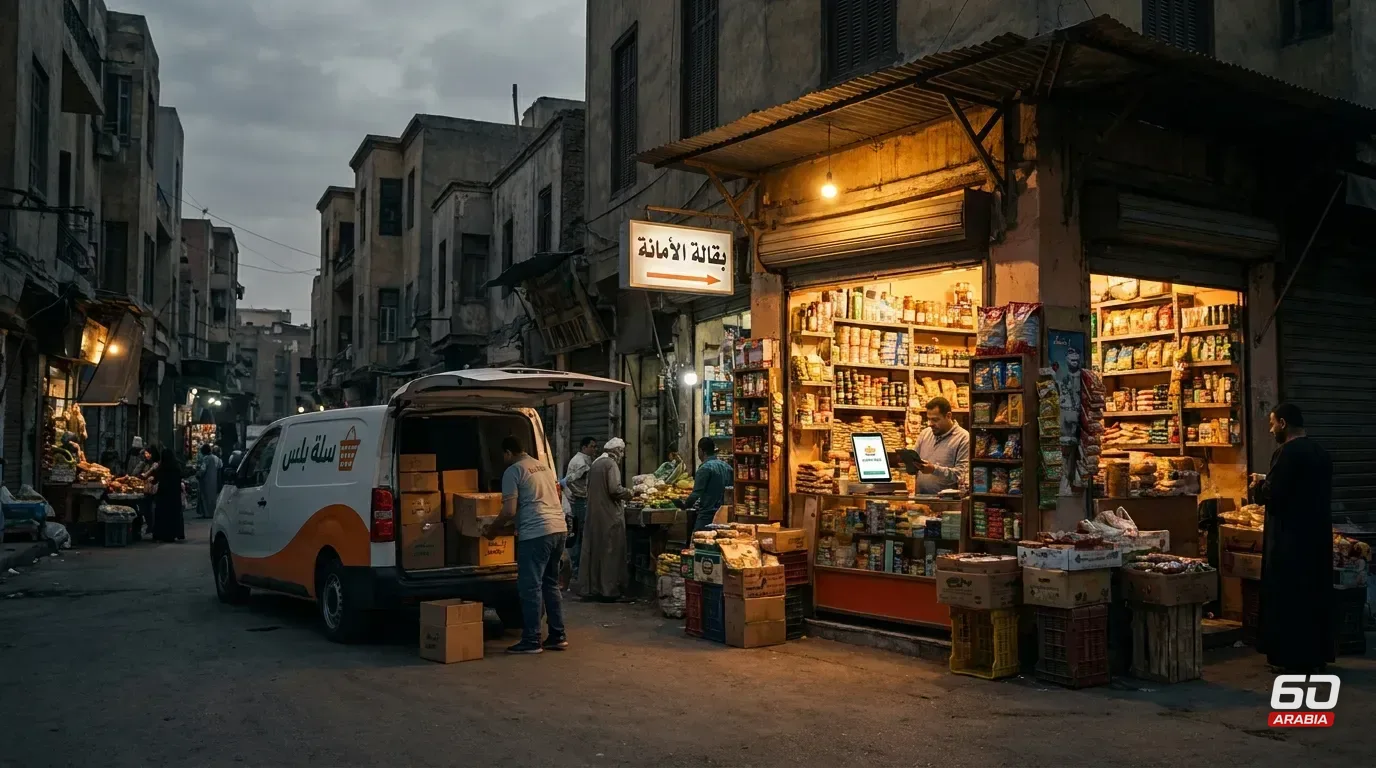
An Egyptian proverb says, "Stretch your legs according to the length of your blanket." The proverb calls for living within one's financial means, being content with what one has, and not spending beyond one's capacity. It assumes the blanket is of a known size and its owner knows where it ends. However, in the Saudi Cabinet decision approving the Commercial Transactions Law on Tuesday, October 27, the state determines the size of the blanket, and the fifteen-year-old is the one who will attempt to stretch their legs beneath it. The question worth examining: What guarantees that their legs remain within bounds, and who pays the price if they step outside?
What Has the State Actually Decided?
According to the Ministry of Commerce, the law comprises 271 articles and replaces three regulations: the Commercial Law, the Negotiable Instruments Law, and the Commercial Books Law. For the first time in a single legislative document, it regulates provisions for commercial sales, supply sales, commercial agency, and brokerage. It comes into effect 180 days after its publication in the Official Gazette.
The law allows a minor, upon reaching 15 years of age, to practice trade with the permission of their guardian, trustee, or court. The announced rule is thus conditional upon the approval of an adult party. However, the scope of this permission—whether it covers a specific activity or multiple activities, and whether it has a financial ceiling—is not answered by the published statements.
What is new is less than it seems. Article 51 of the Civil Transactions Law already allows a guardian or trustee to hand over a portion of money to someone who has reached fifteen and authorize them to conduct financial transactions, and allows the court to grant authorization if they refuse. What the new law adds is the commercial framework: the authorized minor enters the sphere of obligations imposed by law on merchants, including registries, contracts, and negotiable instruments.
Three Liabilities, Not Just One
The most important question in the decision has not been settled by the published statements: Who bears the loss if a business managed by a minor fails? This is actually three questions.
First is the minor's own liability: Does the pursuit of their creditors stop at the capital invested in their business, or does it extend to their other assets? Article 13 of the Egyptian Commercial Code stipulates that when a court orders the continuation of a minor's trade, the minor is obligated only within the limits of the funds invested in it, and their bankruptcy does not extend to other assets. The limits of comparison are clear: the Egyptian case concerns an existing business that the court decided to continue, rather than a minor starting a new business with a guardian's permission. It serves as an indicator that limiting liability is a recognized principle, though there is no proof yet of what the Saudi text will state.
Second is the guardian's liability. A father's signature on the permission does not necessarily make him a guarantor of his son's debts. However, he might become a guarantor if he guarantees a specific transaction or pays from his own account and commingles funds. This distinction is what the executive regulations must clarify, because a family that thinks it signed a permission slip might discover it signed a binding obligation.
Third is the liability of the person who actually manages the activity. If a minor is used as a front for an activity managed by an adult, the question arises: Does the business benefit from protections designed for a teenager? The text of the decision does not address this possibility, which is one of the loopholes the regulations should plug.
Risks Families Usually Overlook
The text of the decision contains two points that deserve special attention. First, according to the Ministry of Commerce, the law defines acts that acquire a commercial character by being performed just once, as well as acts that require professional practice. A teenager reselling goods via an online platform might find themselves subject to the law. This depends on the definition of the act in the text and the circumstances of the case, as not every single sale makes its owner a merchant.
Second, the law prohibits a merchant from harming a competitor and allows the harmed party to request an injunction and compensation before the court. This means that a commercial activity managed by a minor could face claims for injunctive relief and damages if it harms a competitor, such as publishing misleading advertising or infringing a trademark. As for who personally bears this—the minor, the guardian, or someone else—it will be settled by the legal texts and the facts of each case. These risks do not require debt or bankruptcy to reach the family; a single ad on a social media platform is enough.
There is a third, less certain possibility: suppliers and banks may treat an authorized minor with greater caution, demanding advance payment, raising prices, or refusing to open an account. This is a potential cost, the magnitude of which depends on the scope of liability, contract enforceability, and available guarantees. It can be measured post-implementation: payment terms, financing rates, and account rejection rates.
Where Might the Opportunity Lie?
Figures regarding the size of this demographic and the activities they will choose are unavailable, and any current assessment of the economic impact is mere speculation. However, the channels of impact are known. First is reducing the cost of experimentation: a teenager experimenting with selling a digital product with small capital learns about pricing and cash flow before carrying adult burdens. Second is expanding the entrepreneur base, as individuals operating outside the formal framework may transition to documented transactions—a potential outcome rather than an automatic result. Third is the demand for micro-financial products, such as simplified invoicing and accounting, separate accounts, and permission verification tools, offering a new market for startups. The size of these channels is unknown, and who benefits from them depends on the regulations.
What I Propose Before Entry into Force
Competent authorities have 180 days, and these proposals should not be understood as existing in the current law. I propose that the executive regulations define the form, scope, and method of documenting the permission, specify whether it can be restricted or revoked, and distinguish between the liabilities of the minor, guardian, and actual manager. I suggest that banks and fintech companies design a commercial account for authorized minors that separates their funds from family assets, and advise families not to grant open-ended permission, but rather set capital in writing and review records monthly. These tools do not apply in the same way to every activity; a small e-commerce store does not require what inventory-backed trade demands.
After one year of implementation, I call on the ministry to publish the number of permissions issued, types of activities, default rates, and complaints.
The original idea is sound: having a fifteen-year-old learn pricing and dealing with customers and suppliers is better than spending those years merely as a consumer. However, commercial learning should not saddle families with unlimited or unknown losses. The decision's success will not be measured by the number of businesses opened, but by the number of businesses closed without their losses exceeding known limits.

Ibrahim Gamal Ibrahim is an Egyptian journalist and expert in digital media, economic and financial journalism, with more than 20 years of experience across the Middle East and North Africa (MENA) markets. He specializes in leading editorial teams, developing content and digital growth strategies, and integrating artificial intelligence into newsrooms, with extensive experience covering financial markets, monetary policy, and the banking sector. He has held editorial positions at Argaam, Veto, Besraha, Al Mal, and Mubasher.
Profile and all their articlesBeyond The Number

Banque du Caire at the Two Caps: The Vote Is Settled and the Market Test Begins After Trading

500 Riyals for a Lower Bill: Saudi Arabia Precedes 2027 Budget with a Support Package of Unannounced Cost

Egyptian Stock Exchange and Hot Money: 'Once Bitten by Soup Blows on Yogurt'... So Have We?

The Early Bird Catches the Worm... Blue Bonds: $1.72 Billion in the UAE while Egypt Has Zero Issuance
Weekly Newsletter
Read between the lines before everyone else. Decode the most important economic, tech, and decision-maker movements in the region.. in 5 minutes every Saturday.