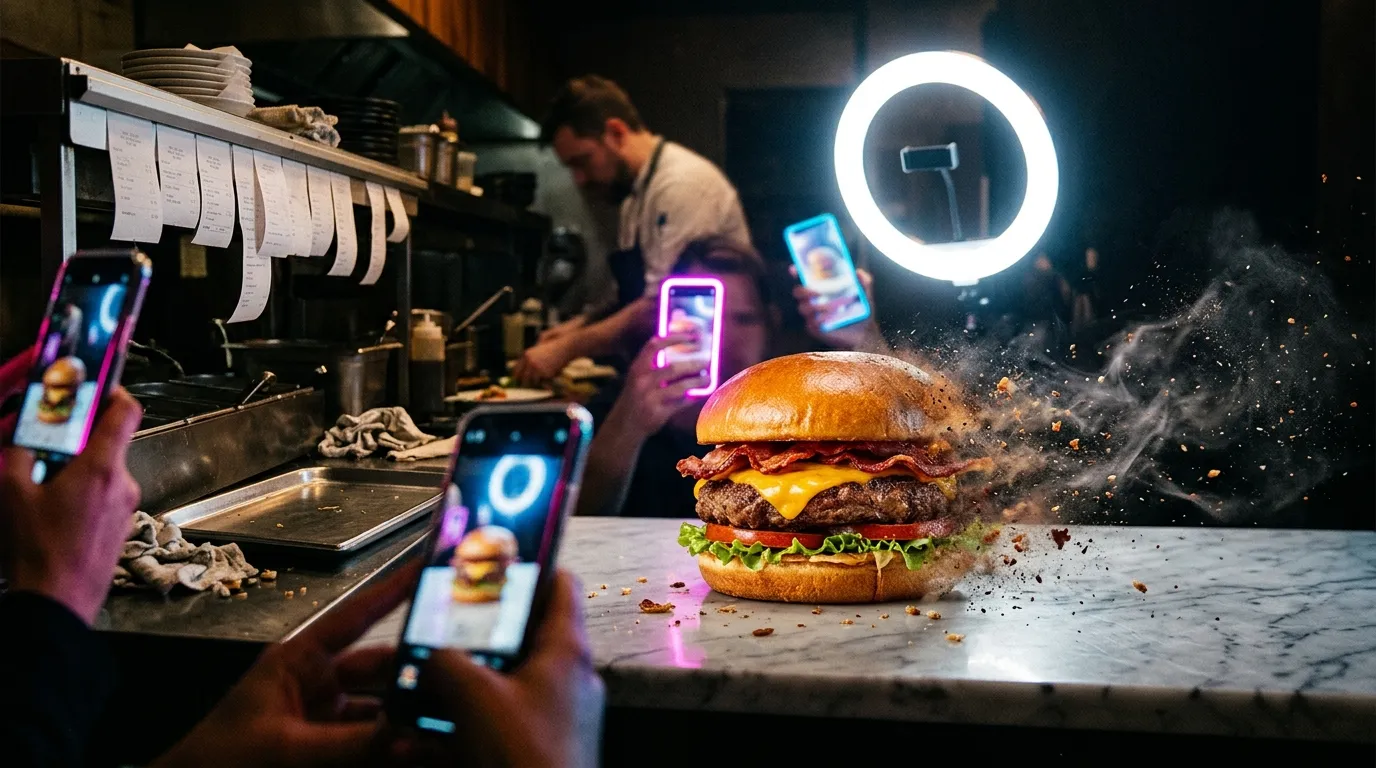

When a Customer Enters a Restaurant, They Usually Only See the Last Part of the Story.
Summary
A food brand doesn't tell the whole story. Behind every successful restaurant or food product is an integrated system of planning, procurement, inventory, and finance—if one fails, the rest falls apart. This article reveals what the customer doesn't see when they step into a restaurant.
They see the product in front of them, how it is presented, the look of the place, the speed of service, and perhaps the advertisement they saw before deciding to visit.
If they like the food, they say the restaurant is successful.
And if the service is good, they say the management is excellent.
And if the restaurant becomes crowded and people start talking about it on social media, in the eyes of many, it becomes a successful brand.
But what happens before the product reaches the customer's hands?
Who selected the supplier?
Who decided the purchasing quantity?
How was demand planned?
What happens if one of the suppliers is late?
How is the same quality maintained across ten, twenty, or fifty branches?
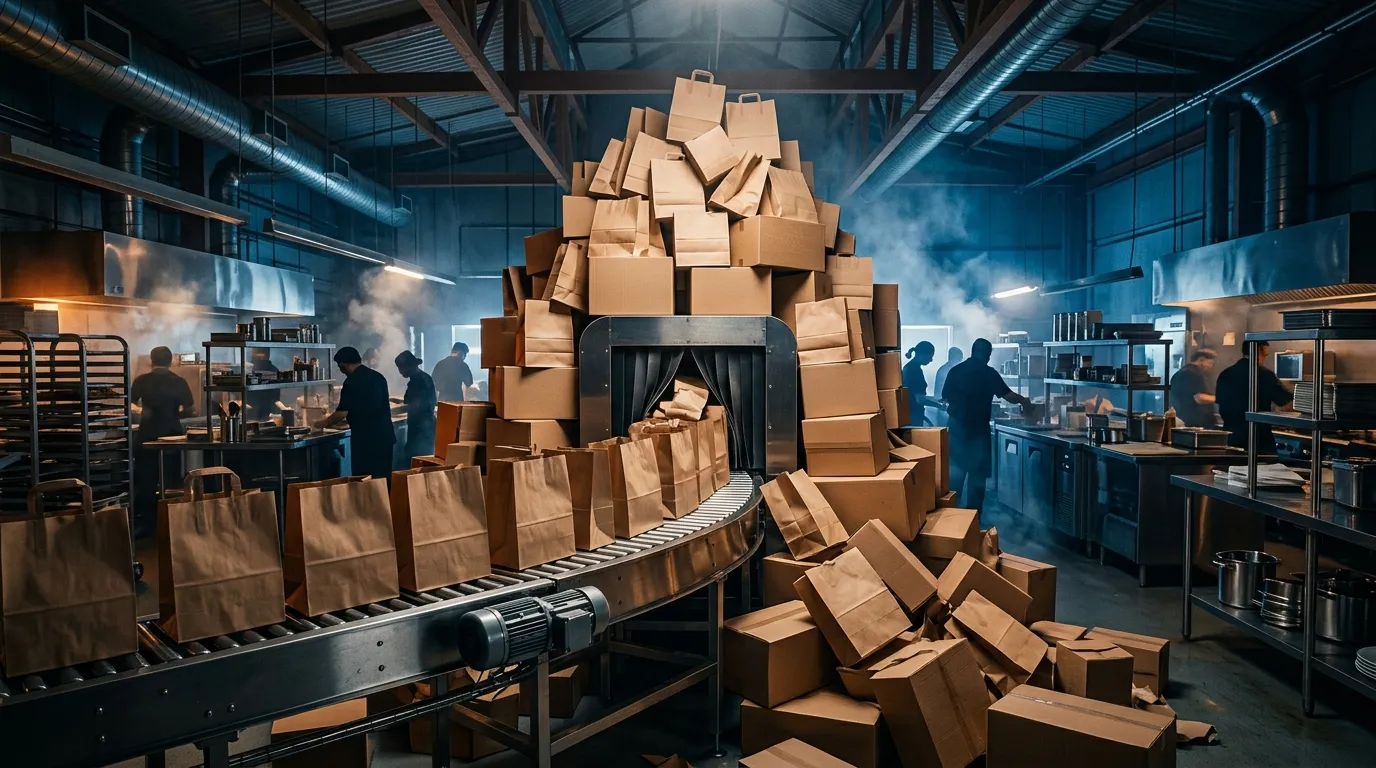
And what happens when demand suddenly spikes due to an ad campaign or a social media trend?
This is where the real story begins.
The story that the customer does not see.
Success in restaurants is not just about a good recipe
A restaurant idea might start from an excellent recipe, a unique product, or a new experience that attracts people.
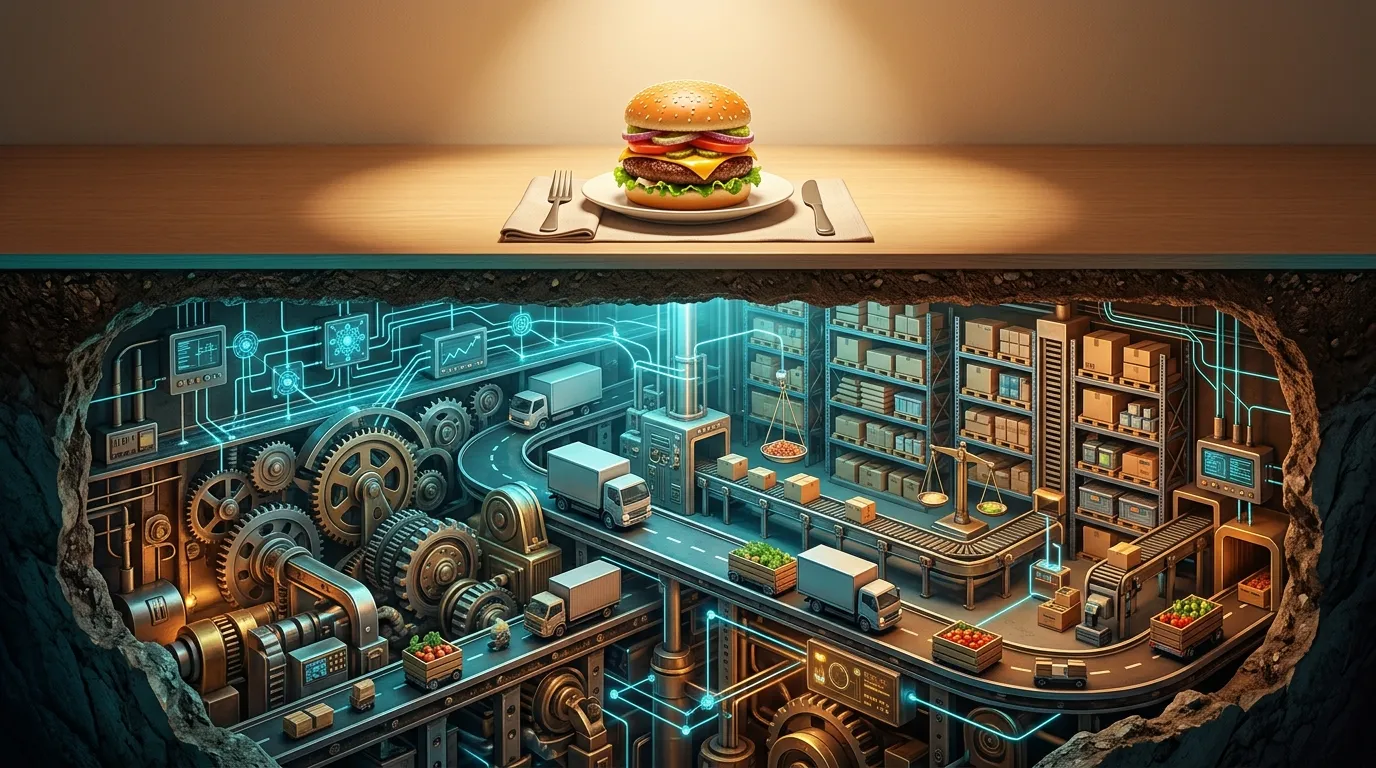
But turning this idea into a sustainable brand requires a complete system working in the background.
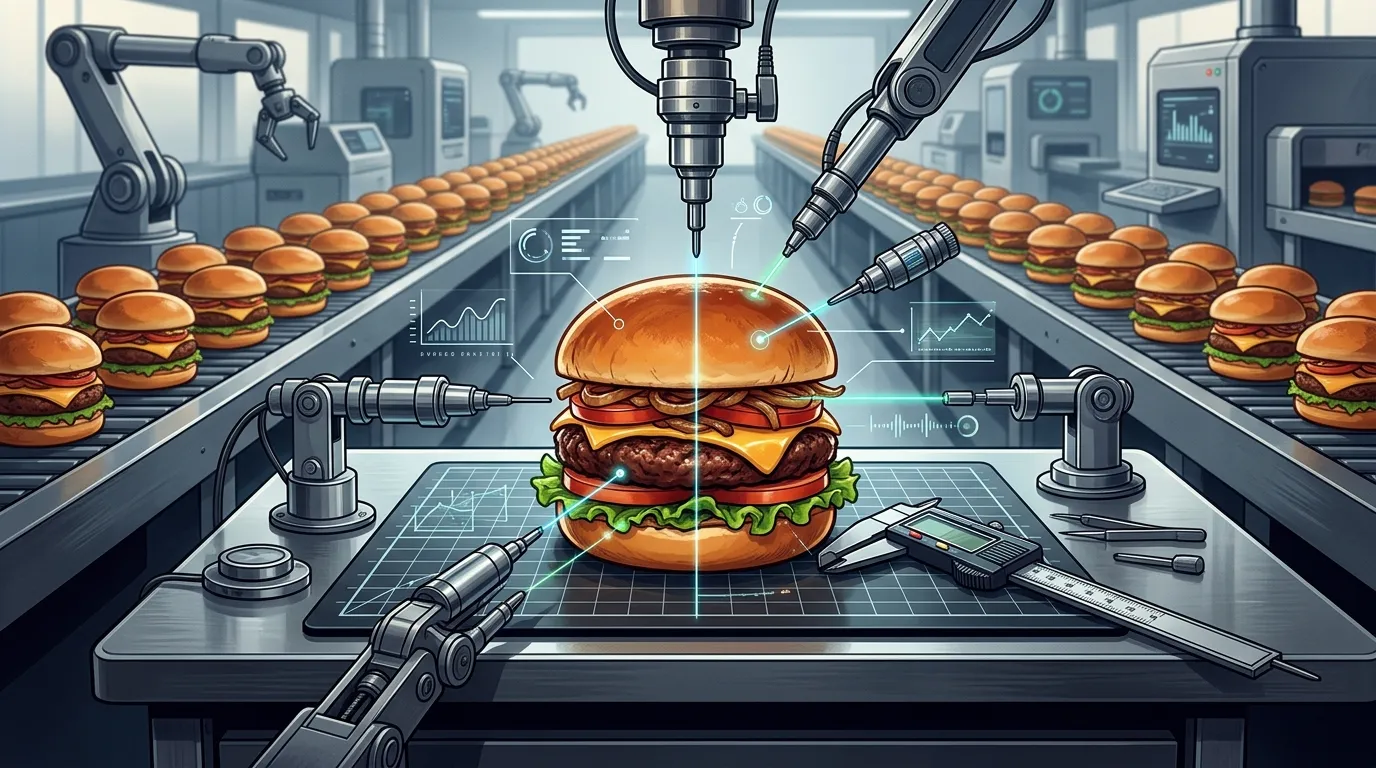
There is the Supply Chain, which must ensure raw materials are available at the right time and with the required quality.
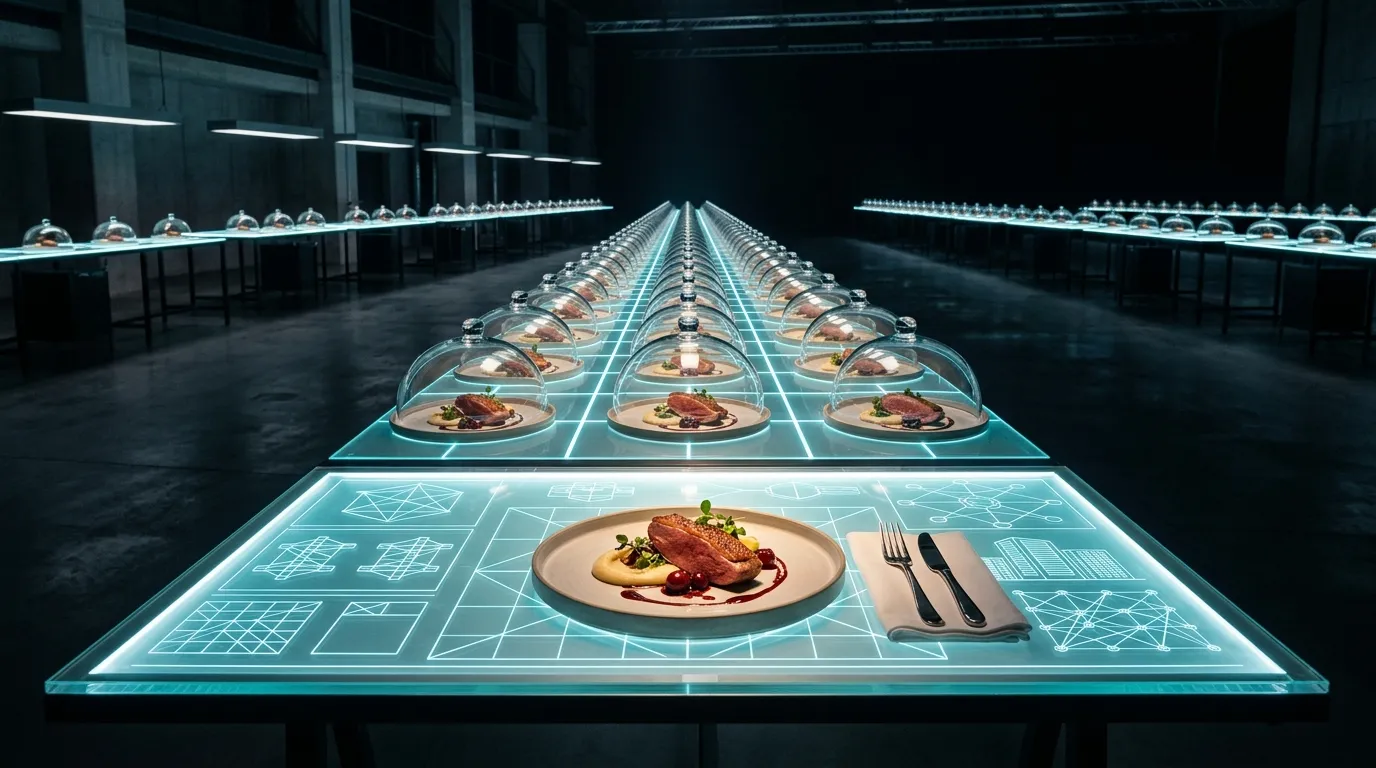
There are Operations, which must convert the recipe into a repeatable experience at the same level of consistency.
There is Planning, which must anticipate demand and prepare for it.
There is Procurement, which must balance price, quality, availability, and risk.
There is Inventory Management, which must prevent product shortages while minimizing waste.
There is Finance, which must determine whether the sales everyone sees are actually translating into profits and cash flow.
And there is Marketing, which might generate demand faster than the operational ecosystem can handle.
Therefore, the success of a food brand cannot be reduced to the question:
"Is the food good?"
The more important question is:
Is the system behind the food capable of sustaining itself?
Why this series?
In the food and restaurant industry, we see many brands emerge quickly.
A strong opening.
High demand.
Social media engagement.
Then the expansion journey begins.
However, after a while, issues may arise that the customer never saw:
A change in quality.
Inconsistencies across branches.
Supply chain problems.
Rising costs.
Uncontrolled waste and inventory.
Liquidity pressures.
Or expanding faster than management's ability to maintain control.
On the other hand, there are brands that may not generate the same initial buzz, but they build a solid system, know how to manage their growth, maintain quality, and handle suppliers, inventory, costs, and operations in a more disciplined manner.
This is where the difference becomes clear between a brand that grabs attention and a brand that can endure.
What will we see behind the brand?
In this series, we will try to look at the food and restaurant industry from a different angle.
We will not only talk about the product that reaches the customer, but about the ecosystem that made the delivery of this product possible.
We will discuss:
How do food brands start and grow?
Why do some brands succeed quickly and then disappear?
Can a trend build a sustainable business?
What is the difference between a famous restaurant and a successful restaurant?
How does the Supply Chain affect product quality?
Why does quality vary between branches?
When is expansion an opportunity, and when does it turn into a risk?
How can inventory consume a restaurant's profits without anyone noticing?
And how are marketing, financial, and operational decisions interconnected?
We will also try to connect these aspects rather than looking at each department in isolation.
Because ultimately, a brand is not just Marketing.
It is not just Operations.
It is not just Supply Chain.
It is a single integrated system.
And sometimes, the reason for its success or failure lies in a place the customer never sees at all.
What the customer sees is the product.
As for what they don't see… that might be what determines the future of the brand.
Welcome to
What We Don't See Behind the Food Brand.
Concepts Mentioned in the Article
Supply Chain
The integrated system connecting suppliers to the final product that reaches the customer's hands. It includes purchasing, transportation, storage, and distribution stages. Any disruption in a single link directly impacts quality and availability.
Operations
Everything that happens inside the restaurant or facility to transform raw materials into a finished product with consistent quality every time. It includes standard operating procedures, quality standards, and daily team management.
Planning
The process of forecasting future demand and preparing for it in advance. It aims to avoid shortages during peak times or excess during slow periods.
Procurement
The process of selecting and negotiating with suppliers to purchase raw materials and products at the required quality, right price, and correct timing. Procurement decisions directly impact cost and profitability.
Inventory Management
Balancing product availability to meet demand while avoiding excess inventory buildup that leads to waste and financial loss. It is one of the toughest challenges in the food industry due to short product shelf life.
Finance
Managing cash flow, costs, and revenues to ensure that sales actually translate into profit. Many brands generate high sales but suffer from liquidity pressure due to weak financial management.
Marketing
The function responsible for building brand awareness and generating demand. When marketing succeeds faster than operations can absorb, that success becomes a burden that exposes the fragility of the internal ecosystem.
Brand
The comprehensive identity that a customer perceives about a product or company. It includes name, design, and experience, but the most important thing a brand builds in the long run is trust—which is a direct result of operational consistency behind the scenes.
What We Don't See Behind the Food Brand
Weekly Newsletter
Read between the lines before everyone else. Decode the most important economic, tech, and decision-maker movements in the region.. in 5 minutes every Saturday.