
China Restricts Exports of Gallium and Germanium, Worrying Global Chipmakers
China has announced new restrictions on the export of vital elements gallium and germanium, sparking a wave of anxiety across the global chip manufacturing sector.
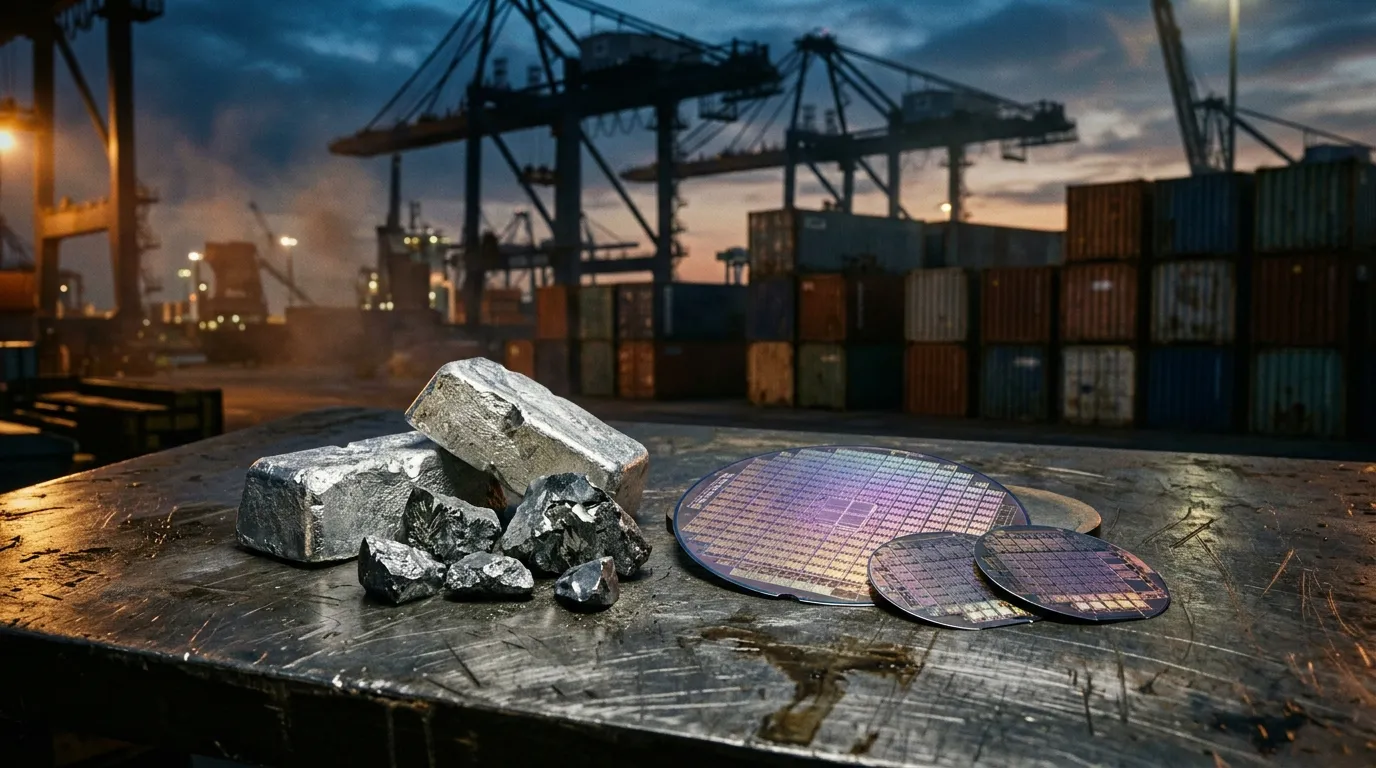
China's Ministry of Commerce announced new restrictions on the export of gallium and germanium, requiring exporting companies to obtain prior government permits for any shipment abroad. China accounts for approximately 80% of global gallium production and 60% of germanium production, both of which are critical metals in the manufacturing of electronic chips and communication systems.
Gallium prices in industrial chemical markets rose 27% in the weeks following the announcement, while germanium jumped 19%, according to data from Platts metals pricing platform. Both the United States and the European Union rushed to announce an urgent review of strategic metal supply chains, while Japan initiated negotiations with Australia and Canada to develop alternative sources.
Shares of major chipmakers such as Nvidia, Intel, and TSMC fell between 3% and 6% following the announcement, before partially recovering. Wall Street analysts clarified that reserve stocks held by major companies are sufficient for about 4 to 6 months, relatively easing immediate concerns.
Brookings Institution experts emphasize that these restrictions represent a new tool in the Chinese economic arsenal, known as economic coercion. They noted that building rare earth metal supply chains outside China takes at least a decade, placing the West in a difficult structural position in the medium term.
What do these terms mean?
Gallium and Germanium: Rare metals used in the manufacturing of semiconductors, optical fibers, radar systems, and military communications, with no direct technical substitute in most of their current applications.
Rare Earth Elements: A group of 17 chemical elements used in the manufacturing of most modern electronic devices, electric vehicles, and renewable energy systems, with China dominating the production and processing of the vast majority of them.
Economic Coercion: A state's use of its economic leverage, such as trade, investments, and vital resources, as a tool to pressure other countries to change their policies, as an alternative to direct military or diplomatic pressure.
Weekly Newsletter
Read between the lines before everyone else. Decode the most important economic, tech, and decision-maker movements in the region.. in 5 minutes every Saturday.