ISRO Successfully Tests Gaganyaan Crew Module Separation Ahead of G1 Mission
ISRO announced the completion of separation tests between the crew module and the service module for the Gaganyaan program, supporting the first uncrewed mission (G1) targeted for 2026.
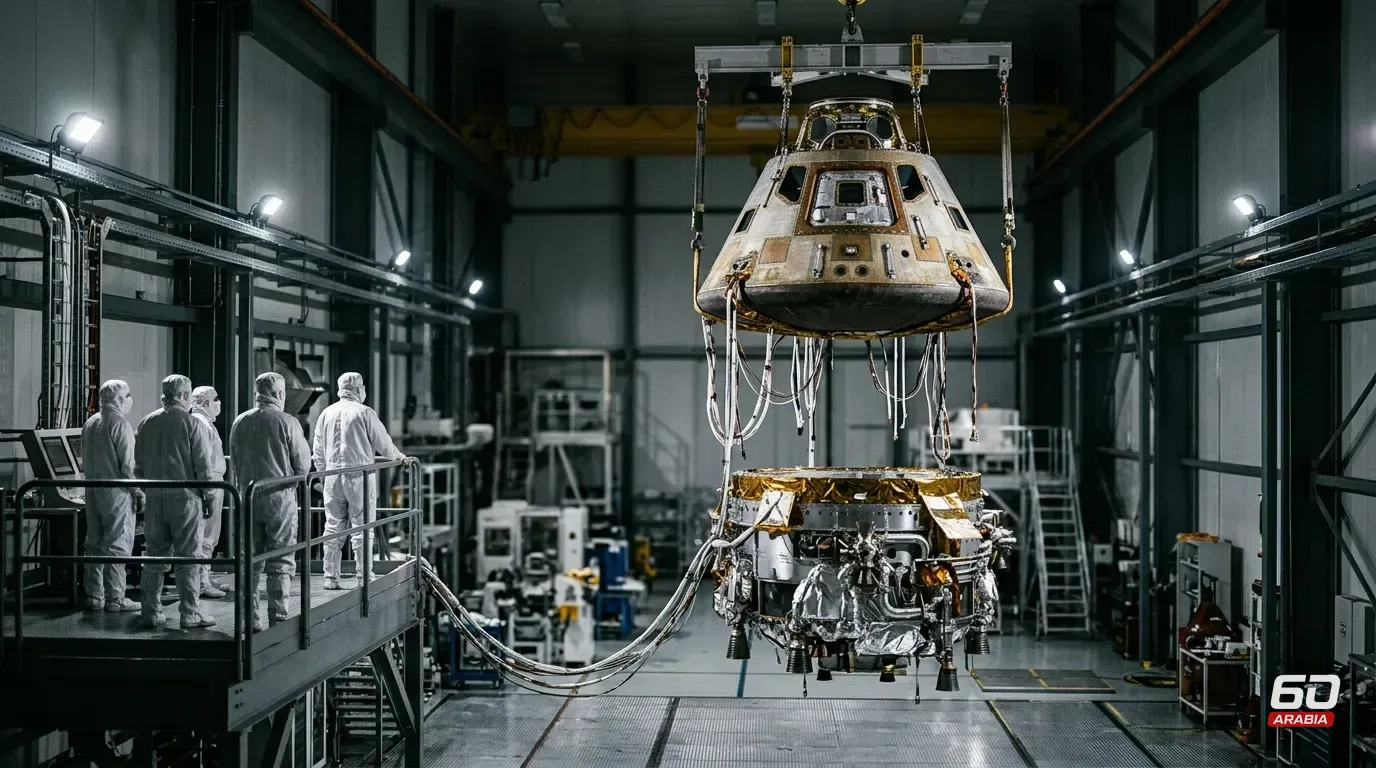
The Indian Space Research Organisation (ISRO) announced the completion of separation tests of the crew module from the service module as part of the crewed Gaganyaan program at the Vikram Sarabhai Space Centre, according to the organisation's website.
ISRO explained that the tests used a configured setup simulating a full separation and severing of connections between the two modules, verifying design adequacy and the systems' shock tolerance capability, including electronics, inertial navigation, thermal protection shielding, and chemical separation systems.
The organisation stated that these results support the program's first uncrewed mission (G1), targeted for 2026, serving as a preparatory step prior to sending astronauts into space.
The Gaganyaan program represents India's ambitious effort to develop a national capability to send humans into orbit, following previous successes in satellite launches and uncrewed missions.
What do these terms mean?
Crew Module: The section where astronauts sit and which is protected during atmospheric re-entry.
Service Module: The section that provides propulsion, power, and supplies to the spacecraft during the flight.
Inertial Navigation: A system that determines the spacecraft's location and orientation without relying on external signals.
Separation Systems: Precise charges that separate spacecraft components from each other at specific moments.
Uncrewed Mission: A spaceflight conducted without astronauts on board, used to test systems prior to crewed missions.
Weekly Newsletter
Read between the lines before everyone else. Decode the most important economic, tech, and decision-maker movements in the region.. in 5 minutes every Saturday.