
Gulf Sovereign Wealth Funds Inject $200 Billion into Tech and Infrastructure Markets
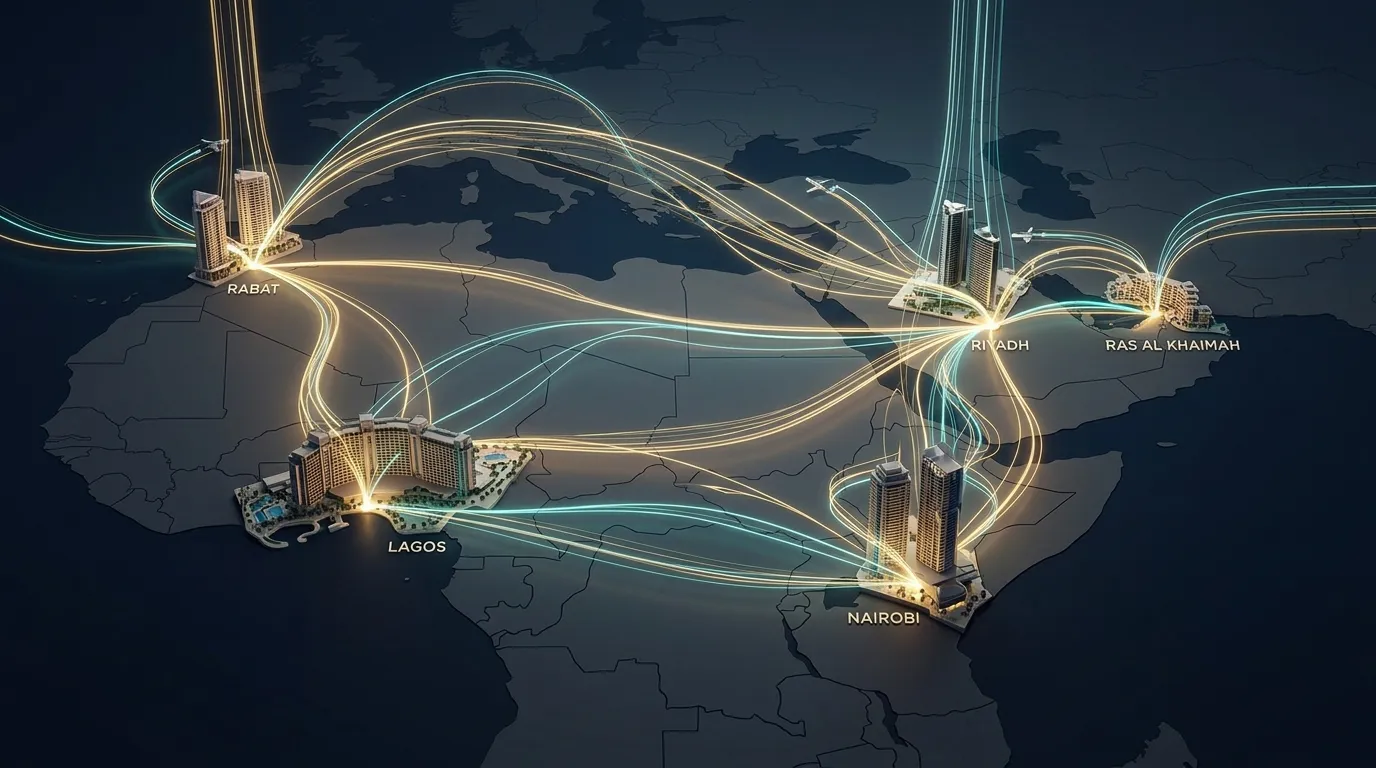
Gulf sovereign wealth funds have allocated approximately $200 billion for investment in global technology and infrastructure companies this year, in the largest wave of foreign investment in their history.

Major Gulf sovereign wealth funds injected nearly $200 billion into international investments this year, distributed between the technology and infrastructure sectors with a share exceeding 60% of total investment activity, according to tracking by Global SWF, a firm specializing in monitoring these funds' activities.
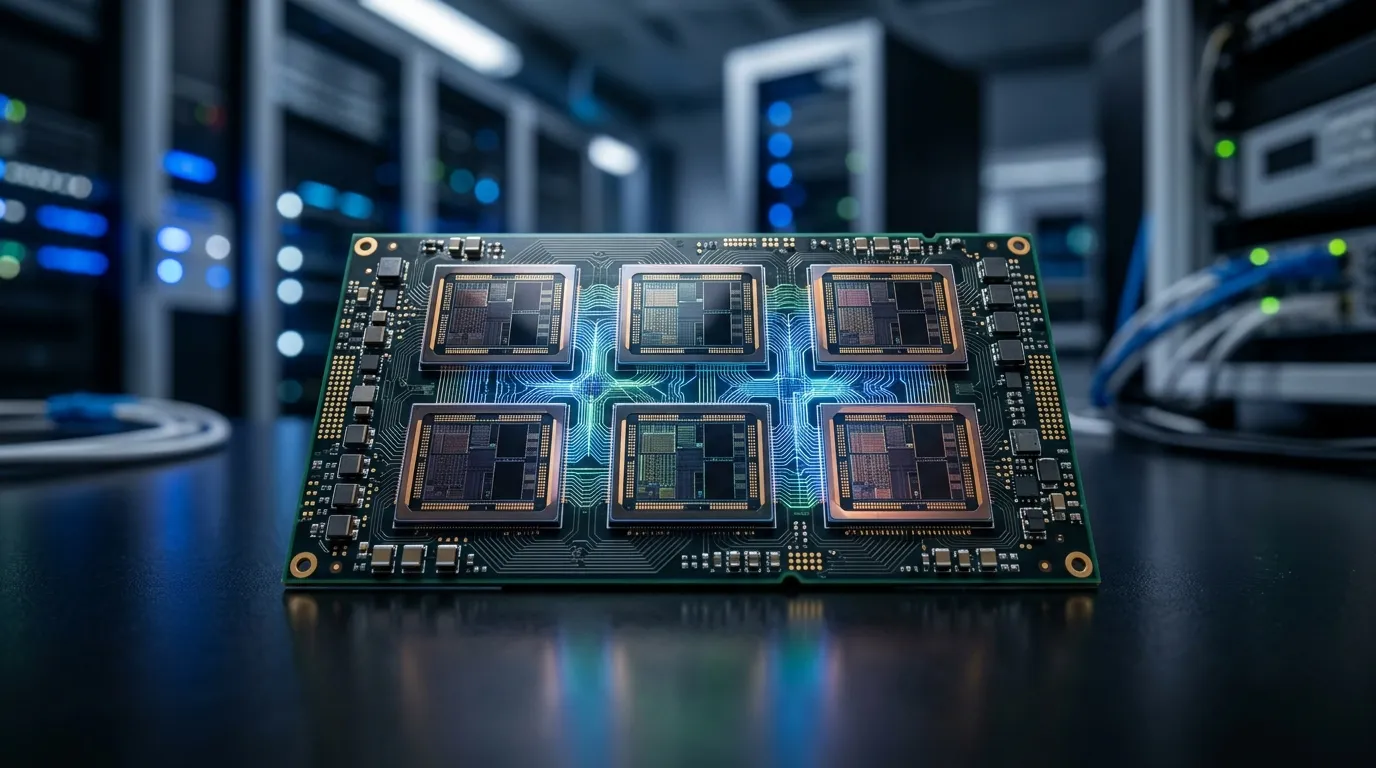
Saudi Arabia's Public Investment Fund topped the list of most active funds, deploying notable investments in artificial intelligence, global sports, and renewable energy sectors, while the UAE's Mubadala focused its activity on acquisitions in the digital infrastructure and data center sectors in Europe and North America. The Qatar Investment Authority added new investments in European private equity.
Analysts explained this investment wave in light of the economic diversification strategy pursued by Gulf states, as they seek to convert oil wealth into diversified investment portfolios capable of generating sustainable returns in the post-oil era. A McKinsey report noted that these funds have become a driving force in a number of strategic global sectors.
In terms of market impact, investors monitored the movements of these funds as a leading indicator of promising sectors, as the entry of a Gulf sovereign fund into a deal now significantly moves the target companies' stock prices.
What Do These Terms Mean?
Sovereign Wealth Funds: Investment funds owned and managed by states to invest abroad with the aim of achieving future returns — think of them as a national "savings fund" that the state places in diversified investments instead of leaving it in the treasury.
Private Equity: Investment in companies not listed on the stock exchange, usually aimed at developing them and reselling them years later at a higher price — it requires longer patience than public equities, but its potential returns are larger.
Digital Infrastructure: The physical assets underlying the digital economy, such as data centers, subsea cables, and telecommunication networks — investing in them means owning the "land" of the digital economy, not just its applications.
Weekly Newsletter
Read between the lines before everyone else. Decode the most important economic, tech, and decision-maker movements in the region.. in 5 minutes every Saturday.