
Gold Drops 21% from Its Record Peak of $5,602 in January
Gold continues to trade approximately 21% below its record high of $5,602 per ounce set on January 29, 2026, leaving expectations of reclaiming previous levels in question.
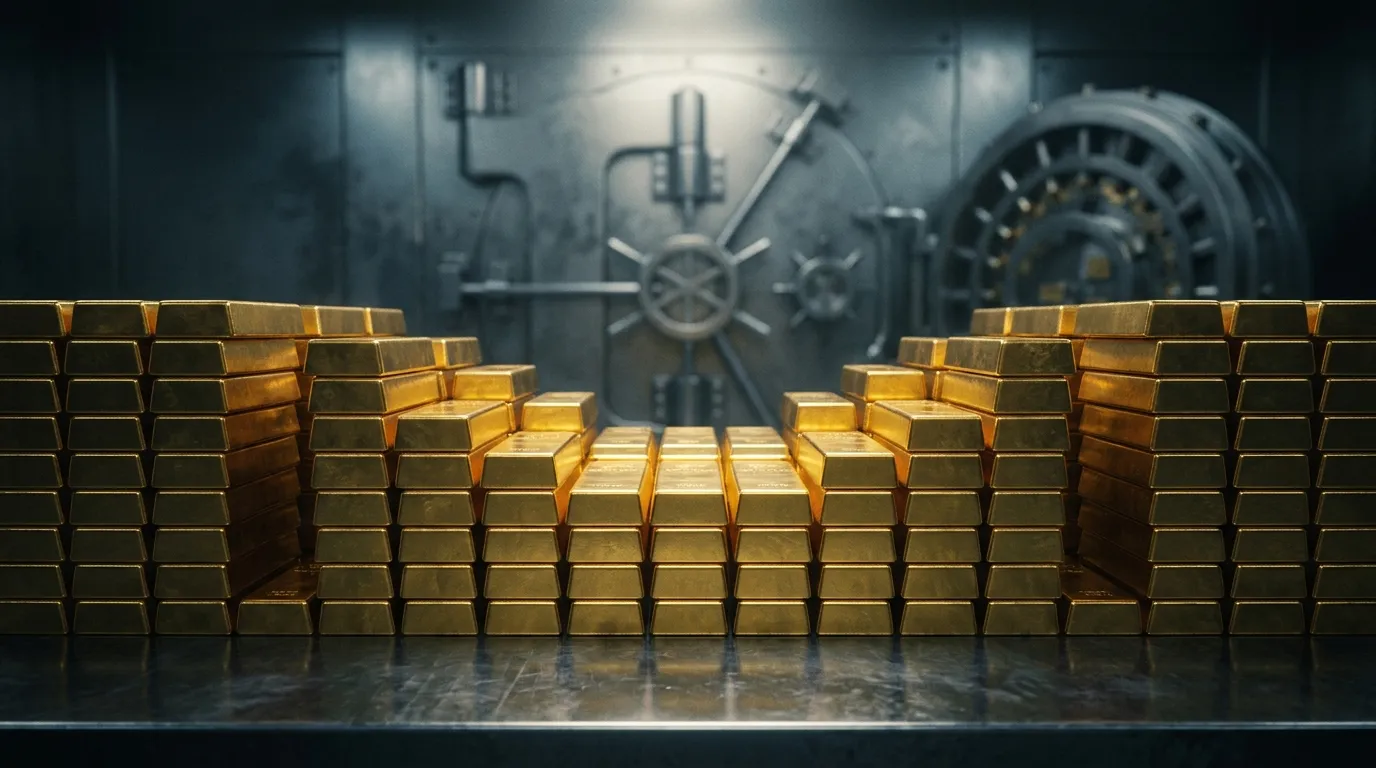
Gold continues to trade roughly 21% away from its record level of $5,602 per ounce recorded on January 29, 2026, the highest price the yellow metal has reached in its history, while the prospects of regaining those levels remain subject to several factors, most notably the trajectory of interest rates and institutional demand.
The decline from the historical peak coincided with rising expectations regarding the possibility of the U.S. Federal Reserve raising interest rates again, as this weakened demand for the non-yielding metal and enhanced the appeal of the US dollar and other financial assets.
In the same context, gold-backed exchange-traded funds (ETFs) have witnessed noticeable outflows since reaching the peak, and tactical demand from Western investors has also declined, although structural demand from central banks has remained a partially supportive factor.
Some analysts believe that the current decline represents a healthy correction phase after a sharp rally, while others warn that continued pressure on interest rates could push prices toward lower support levels in the near term.
What Do These Terms Mean?
Record High (All-Time High): The highest price an asset has reached in its entire history, used as a benchmark to measure the strength of an upward trend or the magnitude of a subsequent decline.
Price Correction: A temporary decline in the price of an asset following a sharp rise, considered a natural phenomenon that allows excessively high prices to rebalance before a potential resumption.
Gold ETFs: Exchange-traded funds backed by physical gold holdings that allow investors exposure to the metal's price movements without needing to physically own it.
Weekly Newsletter
Read between the lines before everyone else. Decode the most important economic, tech, and decision-maker movements in the region.. in 5 minutes every Saturday.