
Eurozone Energy Prices Rise 14.3% Annually as Strait of Hormuz Tensions Escalate
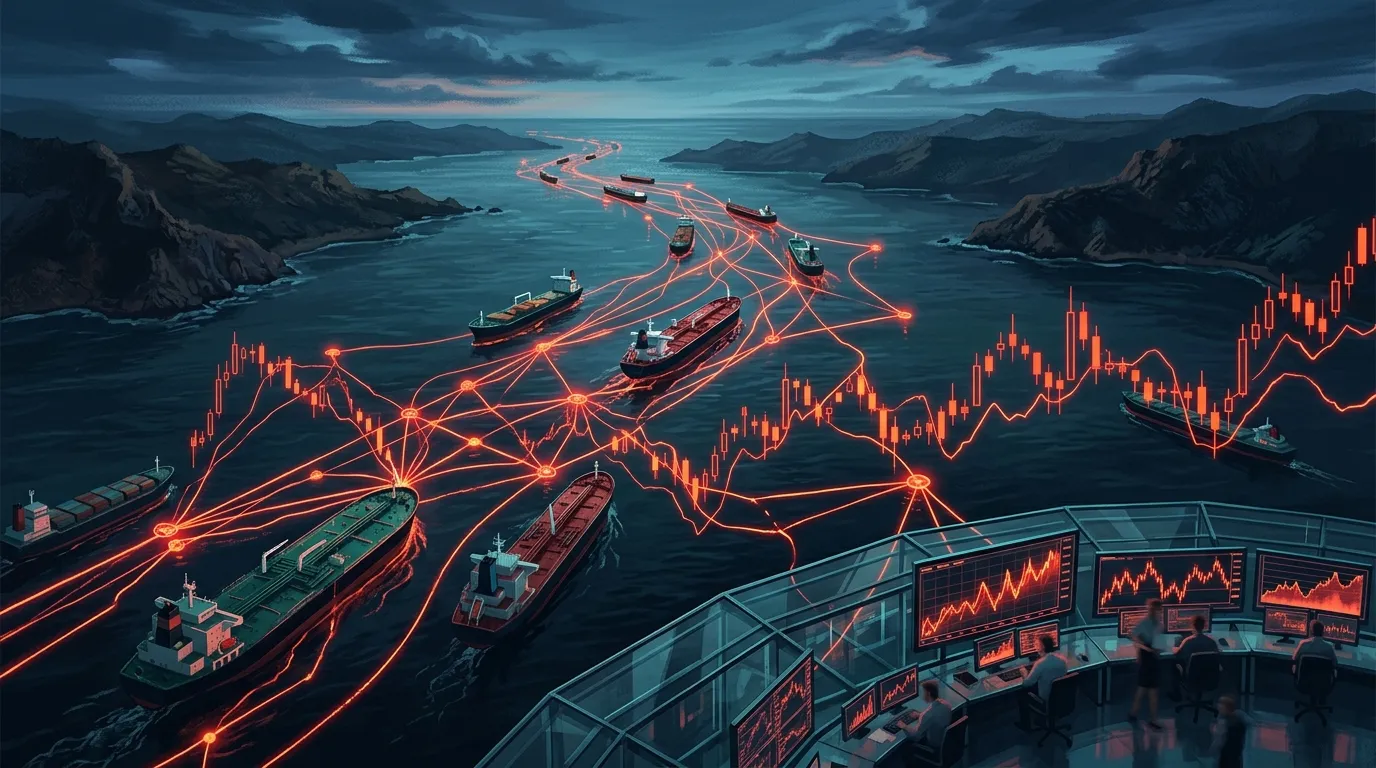
Energy prices in the Eurozone jumped 14.3% year-on-year due to the Iranian conflict and shipping disruptions in the Strait of Hormuz.
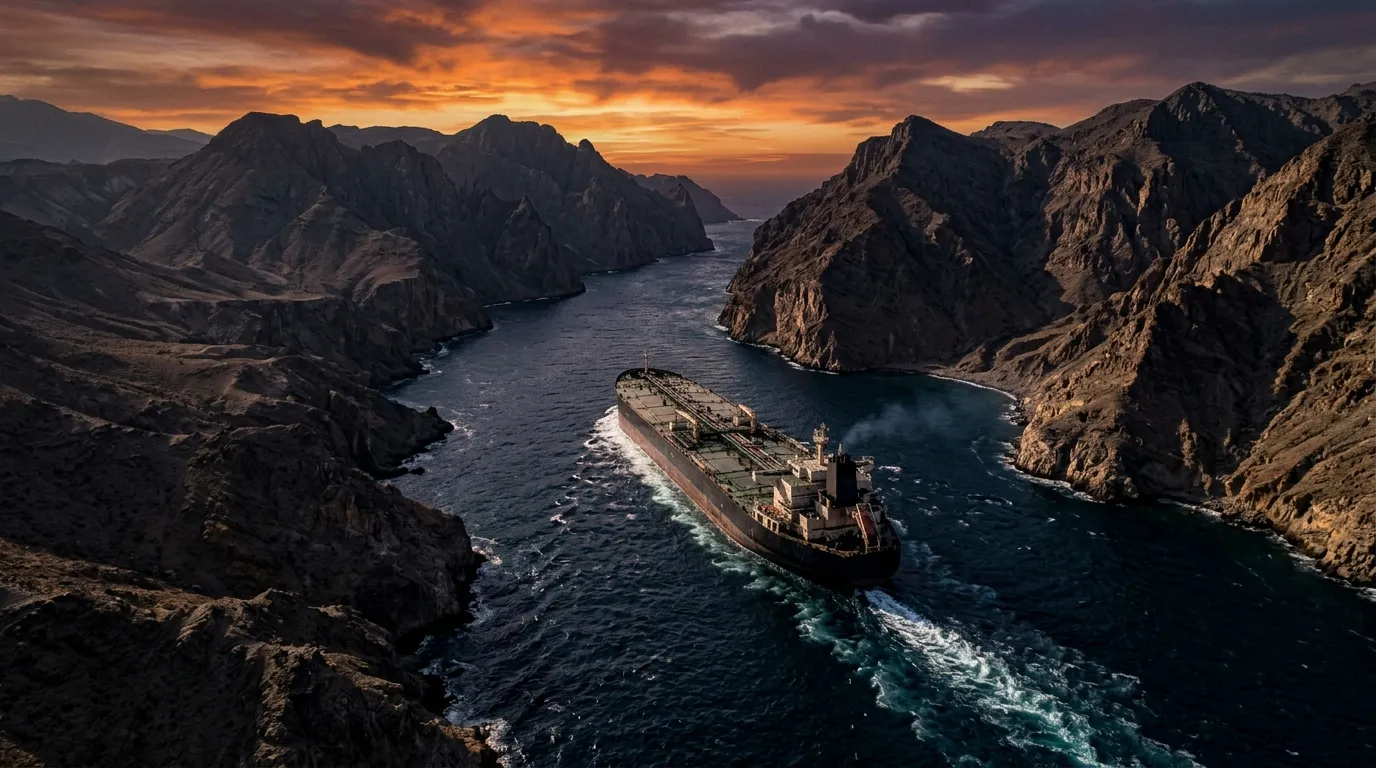
Energy prices in the Eurozone jumped 14.3% year-on-year, driven by escalating military tensions surrounding Iran and shipping disruptions in the Strait of Hormuz.
Eurostat data reported that the energy sector topped European inflation components in August, outstripping food and services, which also registered tangible increases.
The increase in energy costs directly impacted electricity and heating bills for millions of European households, in addition to raising industrial production costs, warning of secondary inflationary pressures at later stages.
Conversely, several European governments are seeking to revive energy subsidy mechanisms implemented during the 2022 crisis, although fiscal maneuvering space has narrowed. Analysts believe that continued disruptions in the Strait of Hormuz could push European LNG prices to new record levels if the conflict extends beyond winter.
What do these terms mean?
Strait of Hormuz: A narrow maritime passage located between Iran and Oman, through which about 20% of global oil trade passes; any disruption raises global energy prices.
Liquefied Natural Gas (LNG): Natural gas cooled until it turns into a liquid so it can be shipped in maritime tankers; Europe relies on it as an alternative to Russian gas.
Secondary Inflation: A rise in prices resulting from escalating production costs rather than directly from increased demand; for example, expensive energy raises the cost of manufacturing goods, causing their prices to rise.
Weekly Newsletter
Read between the lines before everyone else. Decode the most important economic, tech, and decision-maker movements in the region.. in 5 minutes every Saturday.