
Global LNG Demand Jumps 18%, Igniting Competition for Long-Term Contracts
Global demand for liquefied natural gas jumped by 18% during the first half of the year, igniting fierce competition among importing countries to secure long-term supply contracts with major producers.
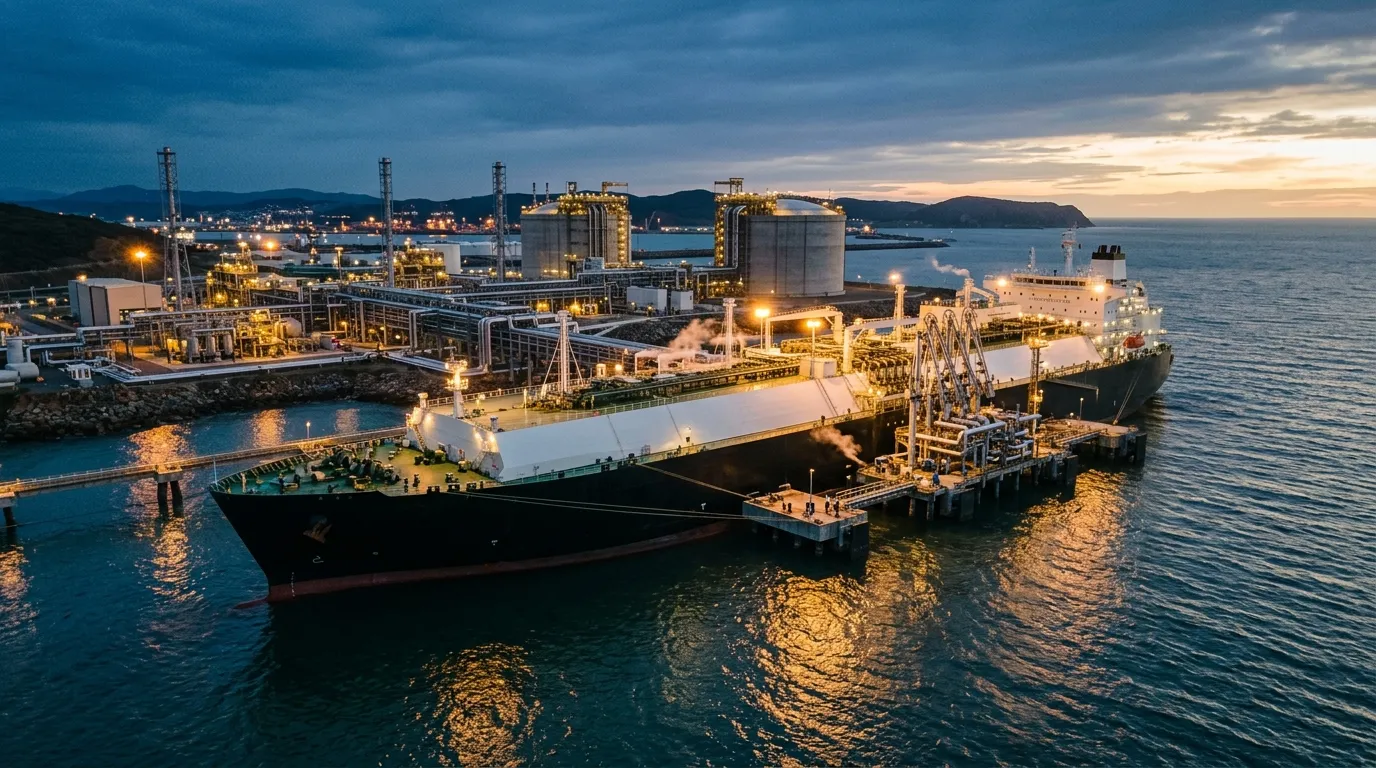
Global demand for liquefied natural gas jumped by 18% during the first half of this year compared to the same period last year, in the fastest pace of growth the market has seen in seven years, driven by rising Asian demand and a decline in hydropower production in South Asia due to droughts.
This escalating demand ignited fierce competition among importers, particularly South and East Asian nations seeking to secure long-term supply contracts spanning ten to twenty years with major producers in Qatar, the United States, and Australia. These contracts have transformed from mere commercial arrangements into strategic agreements at the core of countries' foreign policies.
On the price front, LNG prices in Asian markets rose by about 22% since the beginning of the year, creating additional pressure on economies heavily reliant on imported gas to run power plants, such as Bangladesh, Sri Lanka, and Pakistan.
Qatar led the scene as the most prominent beneficiary of this escalating demand, as it continues to execute its massive production capacity expansion project, which will make it the world's top LNG supplier by 2027, with a capacity exceeding 126 million tons annually.
What Do These Terms Mean?
Liquefied Natural Gas (LNG): Natural gas that is cooled until it turns into a liquid to be transported by ships — enabling its transport across oceans to countries not reached by gas pipelines, making it a cornerstone of global energy security.
Long-Term Supply Contracts: Gas purchase and sale agreements spanning years or decades at pre-agreed prices — providing security for the importer and guaranteeing project financing for the producer, but limiting flexibility.
Hydropower: Electricity generated from the movement of water through dams — a clean and cheap source, but restricted by rainfall availability; when rainfall decreases, hydroelectricity declines and demand for gas as an alternative rises.
Weekly Newsletter
Read between the lines before everyone else. Decode the most important economic, tech, and decision-maker movements in the region.. in 5 minutes every Saturday.