
Davos: MENA Countries Urged to Classify AI Data Centers as Critical Loads
The World Economic Forum calls on MENA countries to consider AI data centers as critical loads and increase electricity capacity by 40% by 2030.
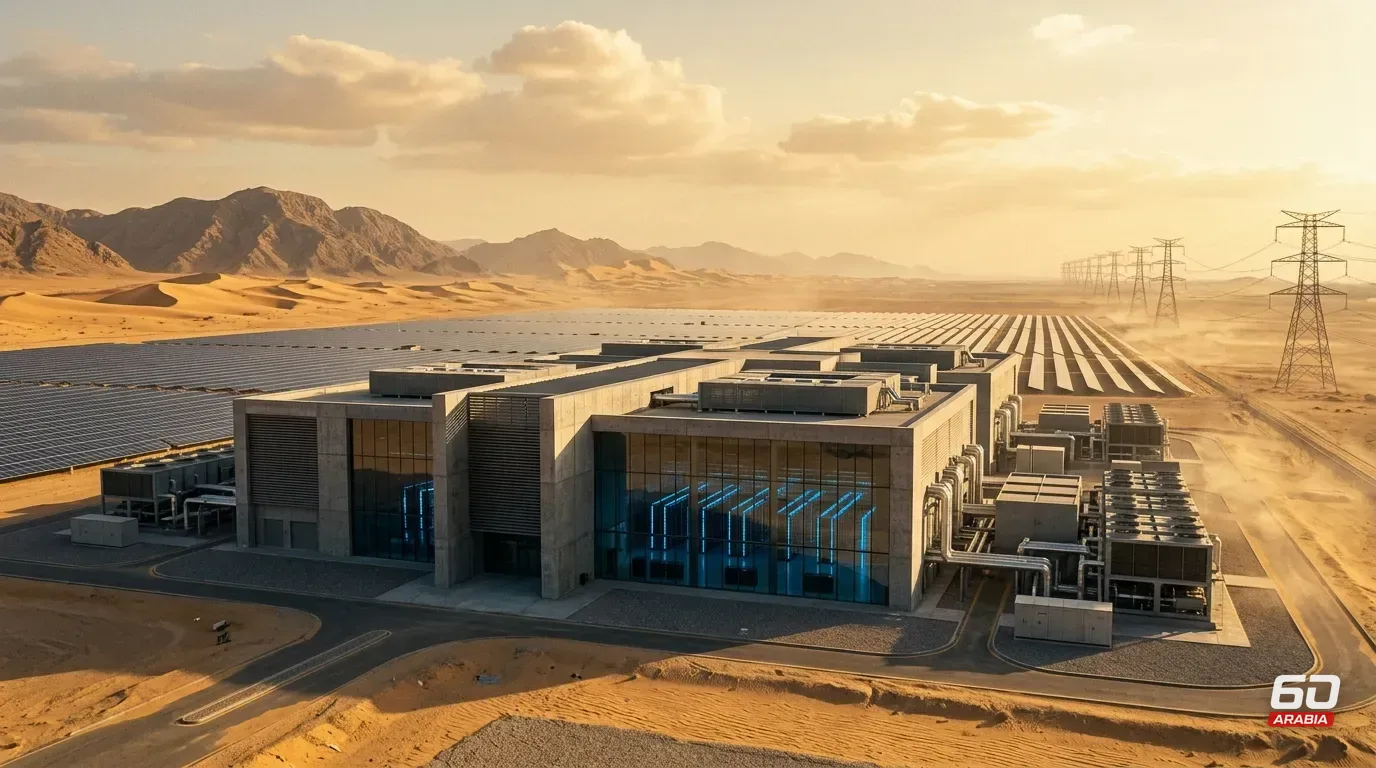
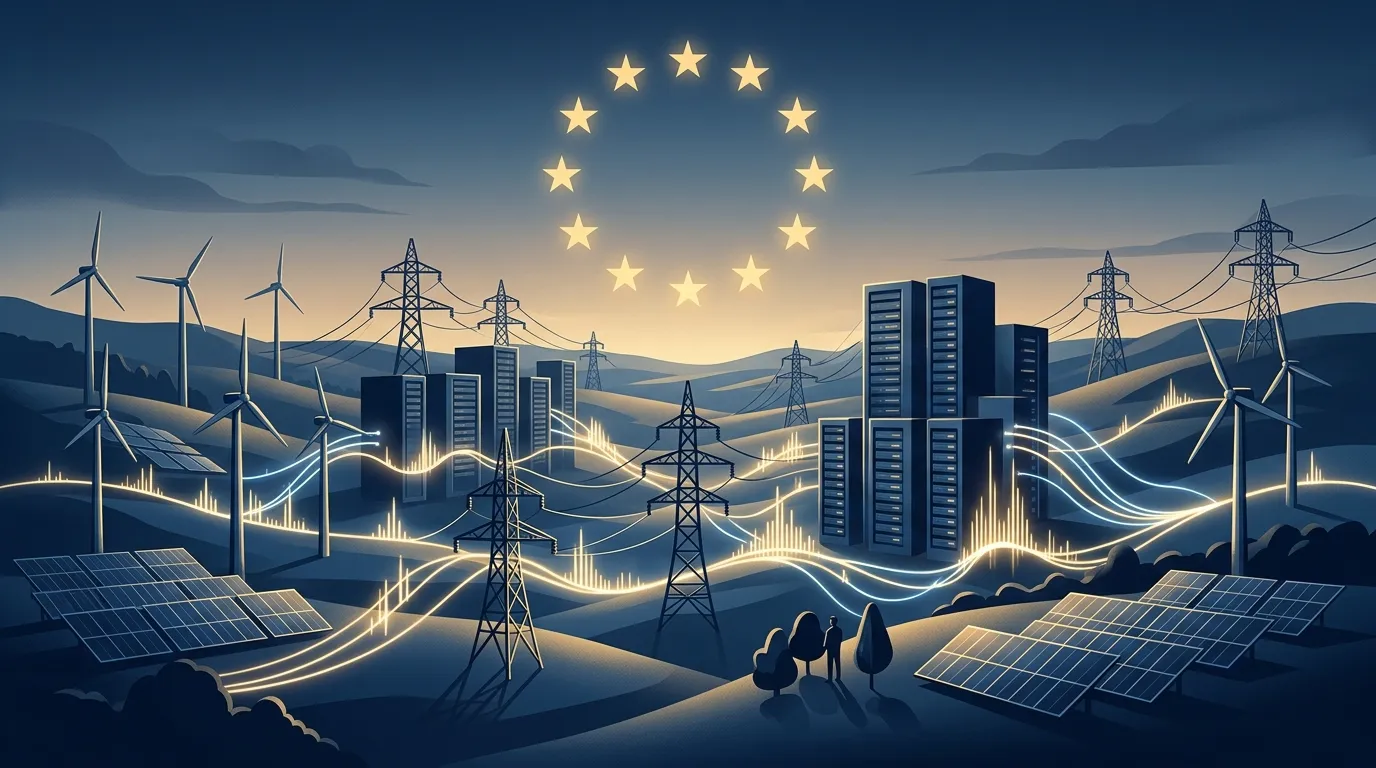
The World Economic Forum called on Middle East and North Africa countries to classify AI data centers as "critical dynamic loads," as part of a comprehensive review of energy planning in the region, according to ET Data Centers.
The Forum's report estimated that the region's electricity capacity needs to increase by 40% by 2030, while current forecasts indicate a growth of only 15%, threatening AI infrastructure expansion plans as electricity demand worsens alongside water scarcity and rising temperatures.
The report explained that AI server racks consume between 30 and 100 kW, compared to about 3 to 10 kW for traditional web loads, while cooling systems account for more than 40% of electricity consumption in the region's data centers. The Forum called for requiring projects with a technical load exceeding 10 MW to submit detailed electricity demand forecasts as part of grid connection applications.
Among the recommendations are using solar power with battery storage, on-site generation, AI-powered energy management, closed cooling systems, and treated water, noting that behind-the-meter generation could accelerate data center deployment by 12 to 36 months, alongside unifying regulatory standards and cross-border cooperation.
What do these terms mean?
Critical Dynamic Load: A variable electrical load that requires close monitoring, where the owner is treated as an essential grid component rather than an ordinary consumer.
Data Center: A facility housing large numbers of servers that process and store data, consuming massive amounts of electricity and cooling water.
Behind-the-Meter Generation: Producing electricity directly at the project site instead of purchasing it from the public grid.
Small Modular Reactors: Nuclear generation units smaller than traditional plants that can be manufactured, transported, and installed near consumption sites.
Weekly Newsletter
Read between the lines before everyone else. Decode the most important economic, tech, and decision-maker movements in the region.. in 5 minutes every Saturday.