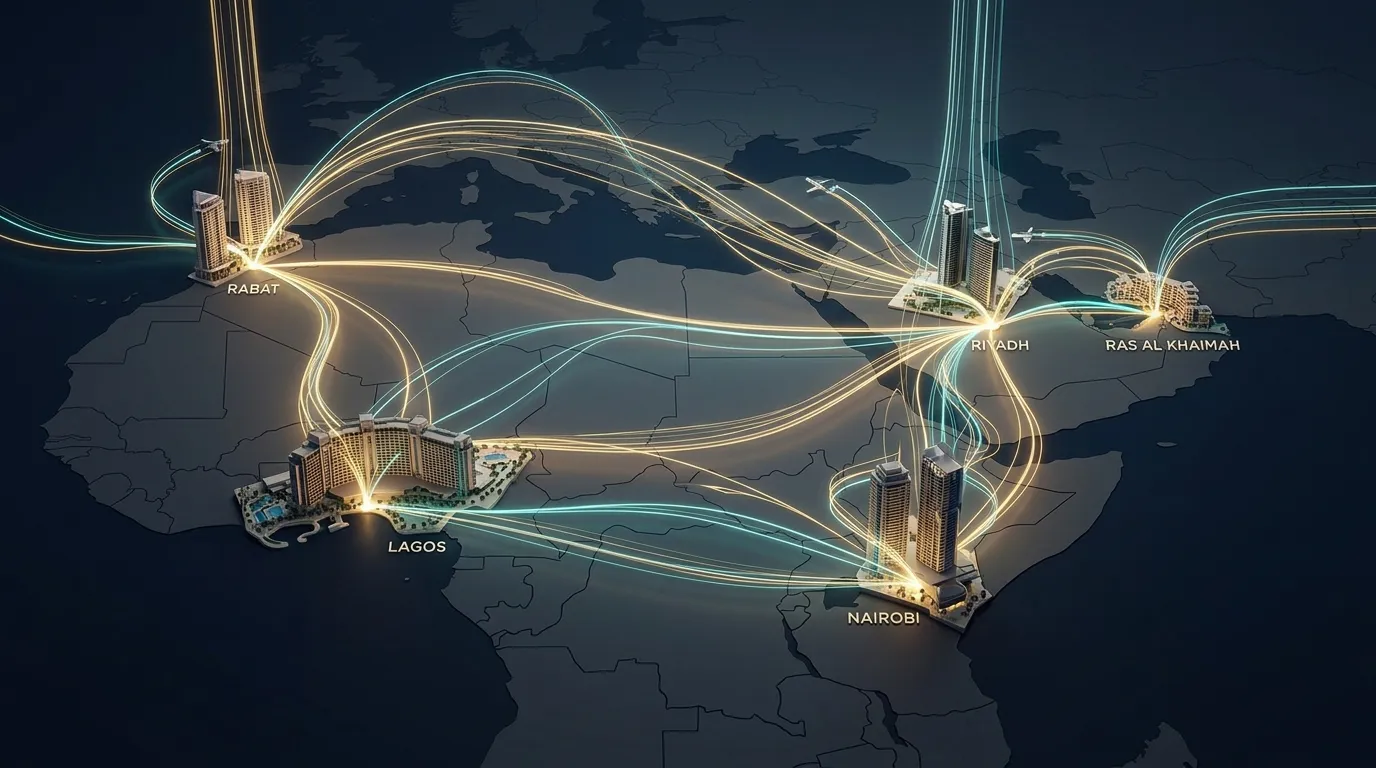

Swift Payment Network Cuts International Transfer Costs by 40% via Updated Platform
The Swift network has reduced international payment costs by 40% through a major upgrade to its platform, in a shift that threatens the business models of traditional money transfer companies and accelerates fierce competition with digital platforms.

The SWIFT network has reduced international payment costs by an average of 40% through a major upgrade to its technical infrastructure, in a move that redraws the competitive landscape for the cross-border remittance sector.
The upgrade aimed to reduce the number of intermediaries in the transfer processing chain, who were traditionally added at each transit station and deducted a percentage of the transfer's value, paving the way for direct pathways between banks that cut fulfillment time from days to hours.
This update comes amid mounting competition from companies such as Wise, Ripple, and Western Union, which had been marketing their superiority in speed and low cost, forcing Swift to accelerate its technical roadmap ahead of schedule.
Analysts are monitoring the impact of this move on expatriate communities in Asia, Africa, and Latin America, where funds sent by migrant workers—known as expatriate remittances or "hawalas"—form an irreplaceable economic lifeline.
What do these terms mean?
SWIFT: An international financial messaging network linking over 11,000 institutions in 200 countries, used to send payment transfer orders between banks—just like email, but for banking transactions.
Correspondent Banks: Intermediary banks located in different countries that act as "transit stations" for international money transfers—each taking a fee, thereby inflating the total cost of the remittance.
Remittances / Expatriate Transfers: Money sent by workers residing abroad to their relatives in their home countries—a vital economic lifeline for countries like Egypt, Pakistan, and the Philippines, sometimes exceeding foreign aid in value.
Weekly Newsletter
Read between the lines before everyone else. Decode the most important economic, tech, and decision-maker movements in the region.. in 5 minutes every Saturday.