
Central Banks Bought 289 Tonnes of Gold in Q2, Supporting Structural Demand
Market data revealed that global central banks purchased approximately 289 tonnes of gold during the second quarter of 2026, providing a structural demand base against declining Western investment flows.
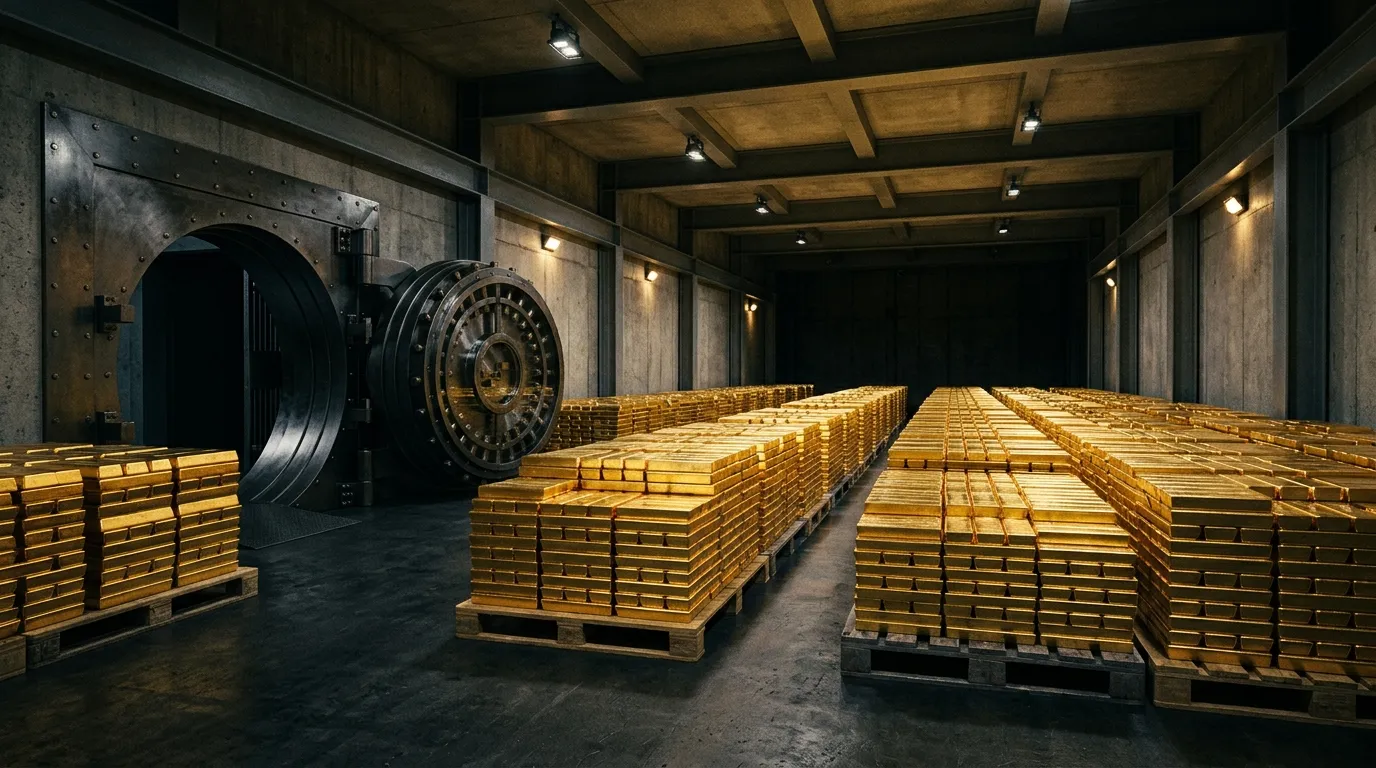
Metals market data revealed that global central banks purchased nearly 289 tonnes of gold during the second quarter of 2026, representing strong structural support for yellow metal prices at a time when Western investment flows are declining.
These purchases come as part of an escalating strategic trend among central banks toward diversifying their reserves away from the dollar, with several countries seeking to bolster their gold holdings to ensure greater flexibility in managing currency risks.
Analysts believe this sustained structural demand from central banks serves as a defensive floor that prevents gold prices from collapsing, even during high-pressure phases resulting from rate-hike expectations or declining demand from retail investors.
On a strategic level, these figures reflect an established pattern that began in 2022 following the freezing of Russia's foreign reserves, prompting numerous countries to re-evaluate the risks of holding dollar assets and increase their share of gold as a sovereign guarantee.
What Do These Terms Mean?
Structural Demand: Consistent and regular demand for a commodity or asset from permanent institutional buyers such as central banks, unlike speculative demand that fluctuates with market volatility.
International Reserves: Assets held by central banks to back their currencies and cover their external obligations, including the US dollar, euro, gold, and Special Drawing Rights (SDRs).
Diversification Away from the Dollar: A strategy adopted by countries and central banks to reduce their dependence on the US dollar in their reserves by shifting toward alternative assets such as gold or other currencies.
Weekly Newsletter
Read between the lines before everyone else. Decode the most important economic, tech, and decision-maker movements in the region.. in 5 minutes every Saturday.