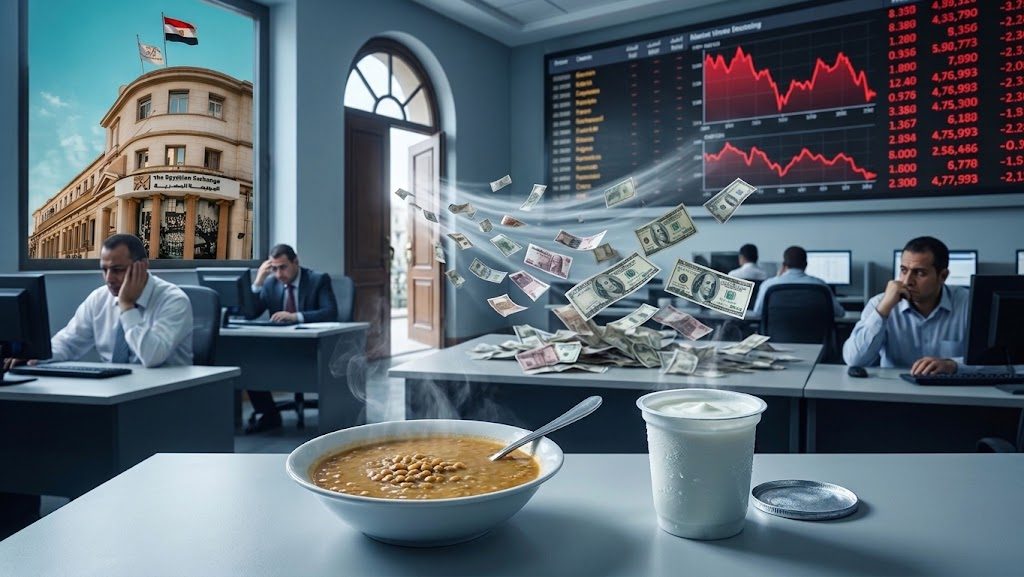

Brent crude hits $117 per barrel despite 400 million barrel oil release
Pushes Brent crude to $117 per barrel as tanker attacks escalate in the Strait of Hormuz. Raises the probability of a December US Fed rate hike to 80% due to energy inflation.
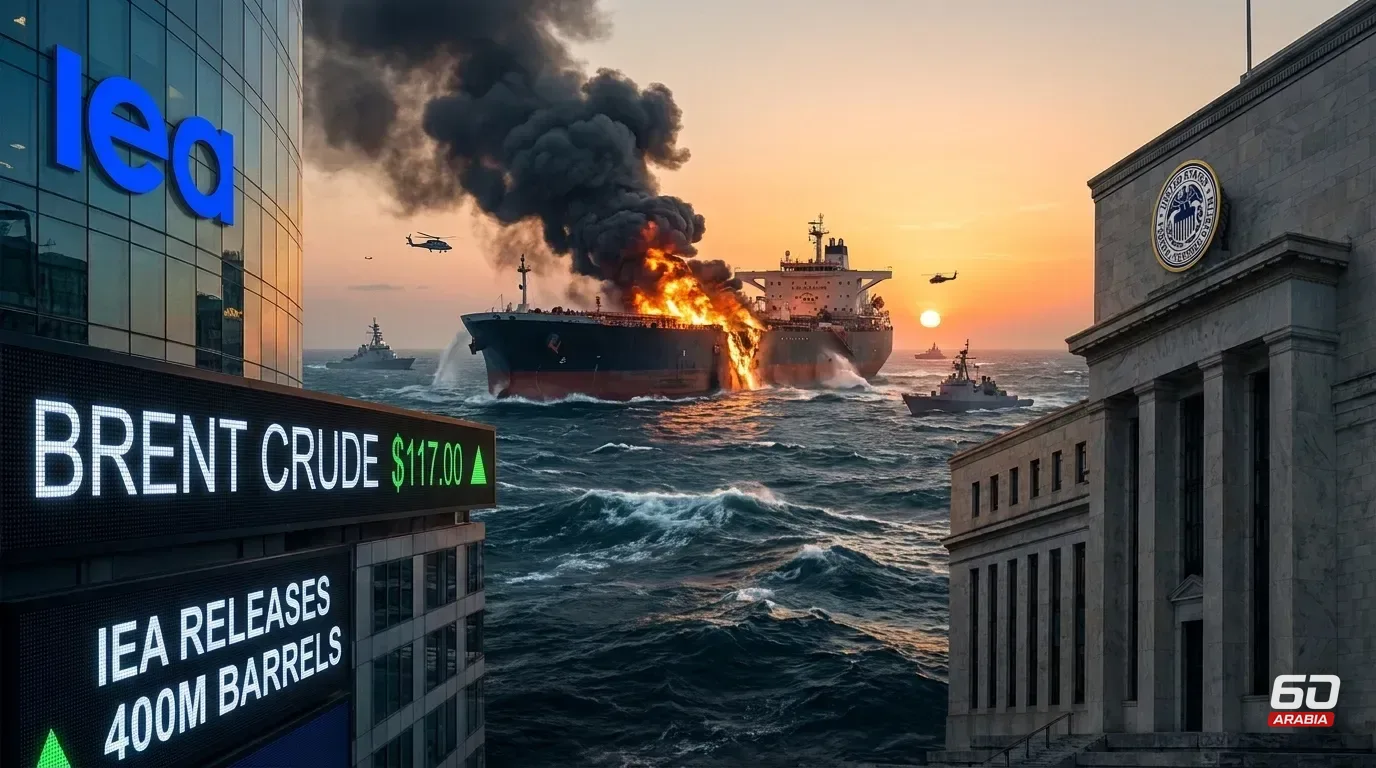
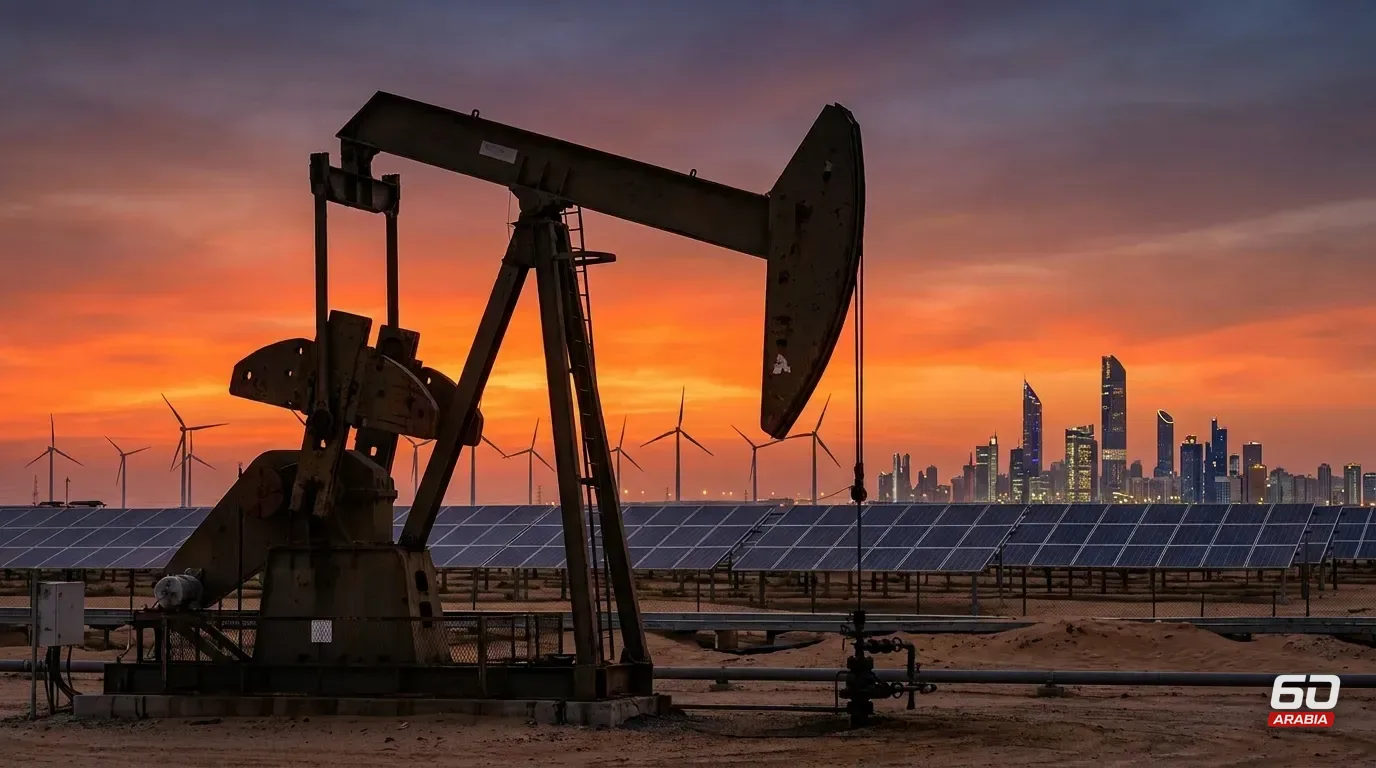
Brent crude touched $117 per barrel intraday to reach a four-year high, while West Texas Intermediate held above $101 per barrel, according to Forbes Advisor and Schwab market updates on October 23. The crude price increase follows escalating tanker attacks and stalled ceasefire talks in the conflict between the United States and Iran, reported the OGJ IranWar tracker.
The ongoing conflict in the Strait of Hormuz has created the largest supply shock in modern oil market history after an initial April 2026 ceasefire collapsed in July 2026, according to the tracker. To counter supply restrictions, the International Energy Agency coordinated a release of 400 million barrels from Strategic Petroleum Reserves, while United States reserves remain near historic lows, reported the OGJ IranWar tracker.
Rising energy costs are delivering a stagflationary shock by pushing United States core Personal Consumption Expenditures price measures higher, according to Forbes Advisor and Schwab. This accelerating inflation complicates the policy outlook for the United States Federal Reserve, raising the market probability of a December interest rate increase to approximately 80%, reported Schwab.
What do these terms mean?
Brent crude: A major global trade benchmark used to price light sweet crude oil purchases worldwide.
Strategic Petroleum Reserve: Emergency stockpiles of crude oil maintained by governments to safeguard domestic supply during sudden disruptions.
Stagflationary shock: An economic disturbance that simultaneously causes economic growth to slow while driving up inflation and consumer prices.
Core Personal Consumption Expenditures: A key price index measured by central banks to track underlying consumer inflation, excluding volatile food and energy costs.
Weekly Newsletter
Read between the lines before everyone else. Decode the most important economic, tech, and decision-maker movements in the region.. in 5 minutes every Saturday.