
Trump and Xi Jinping Meet on September 24 in a Pivotal Moment for the Trajectory of Tariffs and Global Trade
The September 24 meeting between the US and Chinese presidents will determine the trajectory of tariff policy and its implications for global trade, at a moment keenly anticipated by markets as a key driver of price volatility.
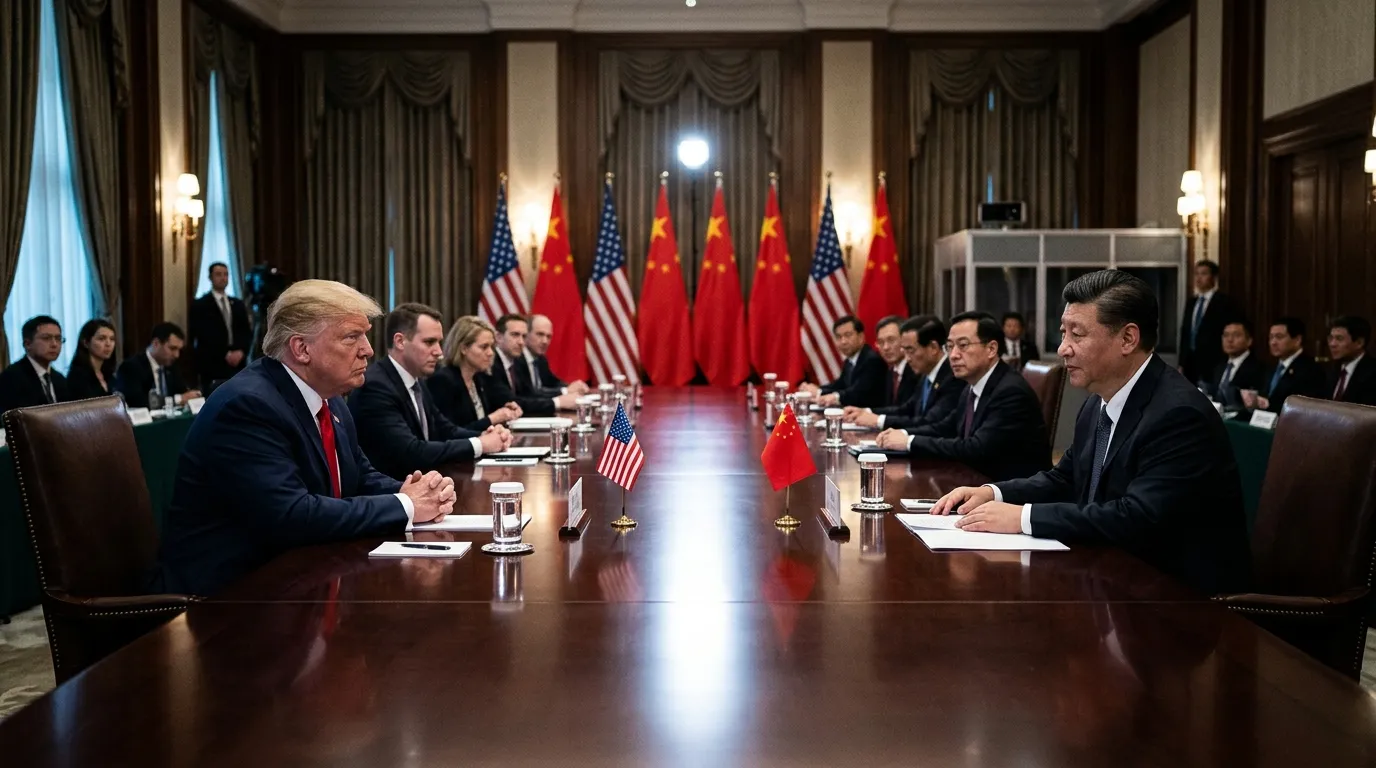
Investors and economic analysts are anticipating an upcoming meeting between the US and Chinese presidents on September 24 as a defining milestone in the trajectory of trade relations between the world's two largest economies, which have witnessed escalating tensions including reciprocal tariffs and restrictions on semiconductor technology.
This summit represents an opportunity to reshape or escalate the commercial framework between the two countries, as global financial markets closely monitor its outcomes because US tariffs on Chinese goods in certain sectors have reached historic levels that impact global supply chains and raise production costs.
International trade experts warn that the meeting may not produce immediate binding agreements, but rather signals and statements from which market expectations will be formed. Moreover, the contentious issues between the two sides are multifaceted, spanning technology issues and intellectual property claims to regional politics in Taiwan and the South China Sea.
The Gulf economy maintains close ties with both parties; China is the largest importer of Gulf oil, while the United States remains the primary security and financial partner, making escalating tensions between them a strategic challenge requiring balanced positions. Economic geopolitics experts believe that the oil-producing countries of the region will find in these talks an opportunity to strengthen their leverage in energy partnerships with both powers.
What Do These Terms Mean?
Tariffs: Taxes imposed by governments on imported goods, used to protect domestic industry or apply leverage in trade negotiations; raising them increases the prices of imported products and sometimes drives the redirection of supply chains toward third countries.
Global Supply Chains: The complex network of companies, suppliers, and factories across different countries that produce components or services involved in manufacturing the final product. US-China trade tensions have forced many companies to restructure these chains toward alternative Asian nations.
Economic Decoupling: The process of deliberately reducing economic and technological exchanges between the United States and China, including limiting mutual investment and separating supply chains in sensitive sectors such as microchips, thereby reshaping the map of global trade.
Weekly Newsletter
Read between the lines before everyone else. Decode the most important economic, tech, and decision-maker movements in the region.. in 5 minutes every Saturday.