IMF Lowers Middle East Growth Forecast to 1.1% and Expects Gulf Economies to Contract by 2.4%
The International Monetary Fund has lowered its growth forecast for the Middle East and North Africa region to 1.1% for 2026. The Fund expects a 2.4% contraction in the economies of the Gulf Cooperation Council countries due to disruptions in regional energy exports. This downgrade reinforces concerns about the impact of regional tensions on development and investment.
The International Monetary Fund has lowered its economic growth forecast for the Middle East and North Africa region to 1.1% for 2026, marking a sharp downward revision that reflects the impact of regional trade disruptions on recovery trajectories.
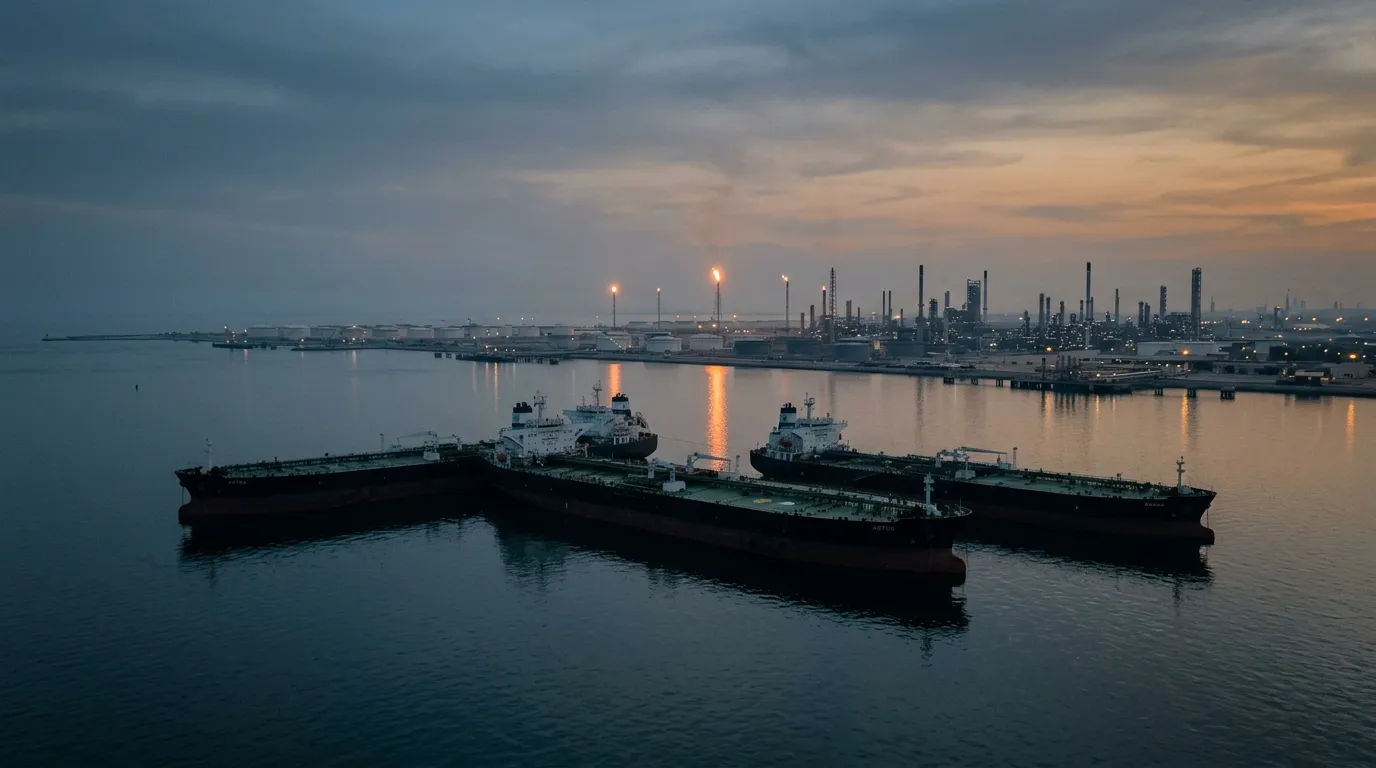
The Fund projected a contraction of 2.4% in the gross domestic product of the Gulf Cooperation Council countries, a figure that reflects growing pressures on Gulf energy exports due to disruptions in the Strait of Hormuz and lower oil prices earlier in the year.
The repercussions vary among the region's countries, as nations heavily reliant on oil revenues face greater pressure on their budgets compared to countries seeking to diversify their income sources, according to the Fund.
What do these terms mean?
Gross Domestic Product (GDP): The total value of all goods and services produced by an economy in a single year, serving as the primary measure of an economy's size and growth.
Gulf Cooperation Council: Includes Saudi Arabia, the UAE, Kuwait, Qatar, Bahrain, and Oman.
Weekly Newsletter
Read between the lines before everyone else. Decode the most important economic, tech, and decision-maker movements in the region.. in 5 minutes every Saturday.