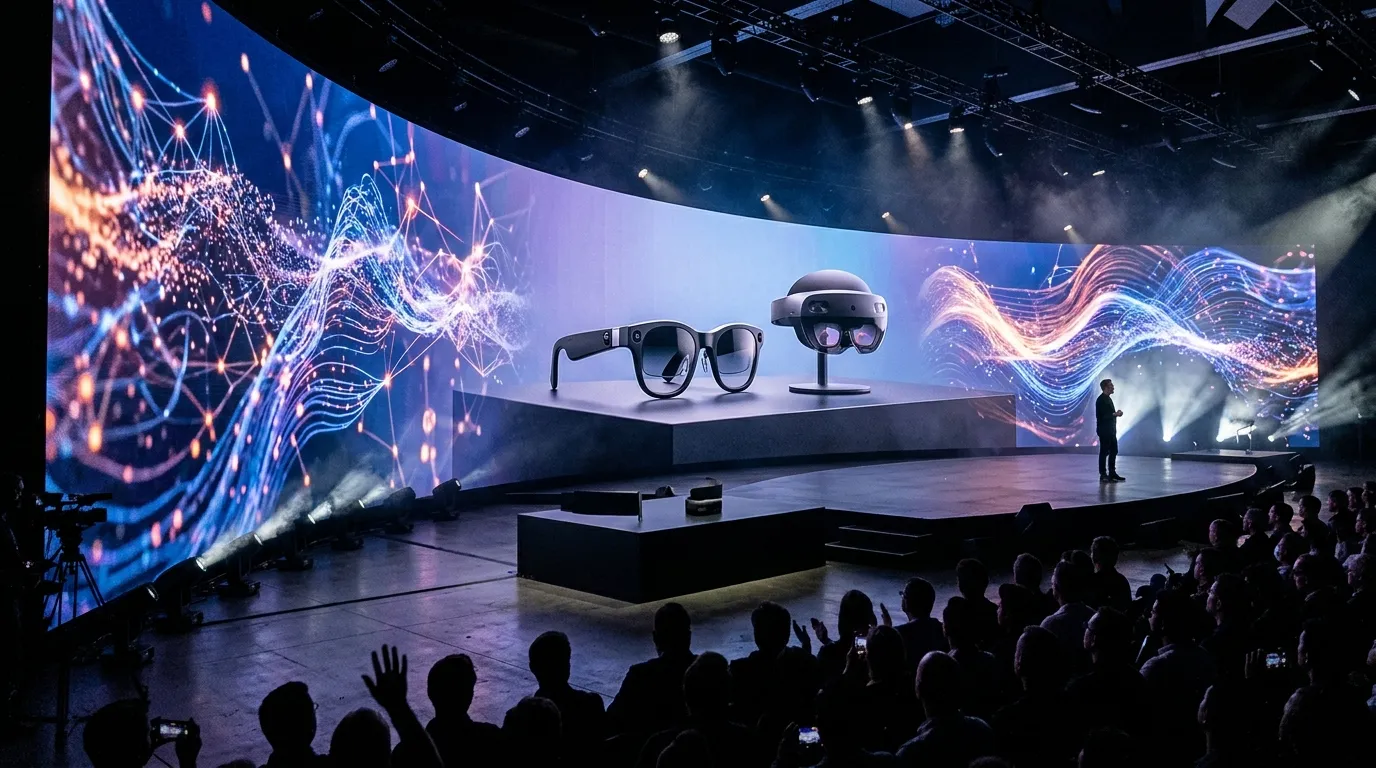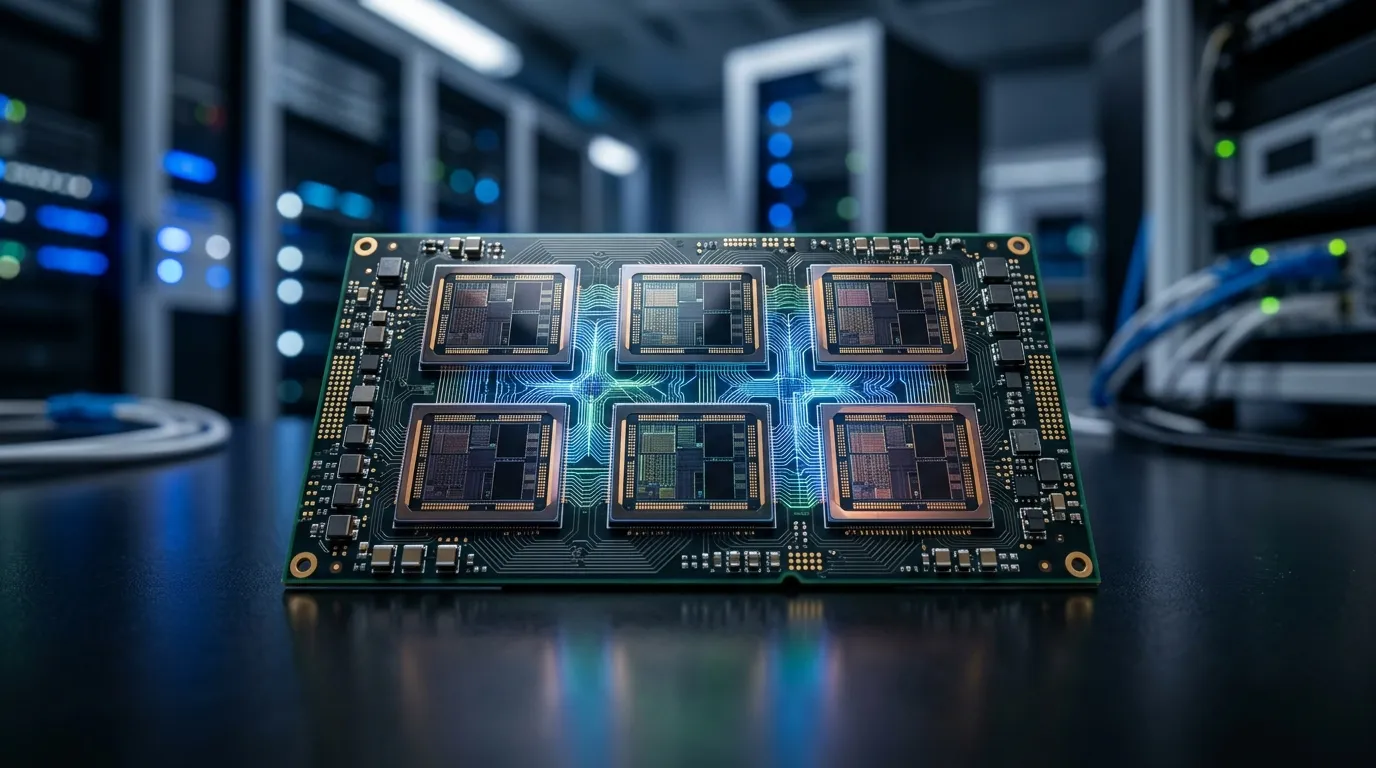

Major Tech Companies Race to Build Quantum Computers, Promising a Revolution in Computational Processing
IBM, Google, and Microsoft are competing to develop a quantum computer capable of solving problems beyond the reach of the most powerful classical computers, in a race reshaping the landscapes of information security, the pharmaceutical industry, and climate science.

Major technology companies are competing to develop quantum computers; Google announced its "Willow" processor, which completed in minutes calculations that would take traditional computers more than 10 septillion years to finish, while IBM has developed a series of quantum processors surpassing the 1,000-qubit mark, and Microsoft continues its efforts toward more stable topological qubits.
Quantum computing promises to transform entire sectors; it is capable of simulating molecules with unprecedented precision, thereby accelerating drug discovery, enabling the optimization of energy grids and supply chains, and speeding up climate modeling to design carbon-capture materials—in addition to its theoretical capability to break most current encryption protocols.
The threat to encryption constitutes the most urgent source of concern; governmental and criminal entities are retaining encrypted data today with the intention of decrypting it later when quantum computers become available, prompting the U.S. institute NIST to proceed with standardizing post-quantum encryption algorithms as a proactive preparation.
Saudi Arabia's Public Investment Fund and the Abu Dhabi Investment Fund are investing in quantum computing startups, while Gulf universities seek to establish specialized labs in partnership with IBM and Google. Tech experts believe that countries and companies that start building their quantum talent and infrastructure today will be best positioned to capitalize on this technology when it matures commercially over the next decade.
What do these terms mean?
Qubit: The basic unit of information in a quantum computer. Unlike a classical bit, which holds only a 0 or a 1, a qubit can exist in both states simultaneously thanks to the phenomenon of quantum superposition, exponentially increasing the computer's processing capability.
Quantum Supremacy: The stage at which a quantum computer performs a specific task faster than any existing classical computer, regardless of the commercial usefulness of that task—just as a swimmer might cross a pool faster than anyone walking on foot.
Post-Quantum Cryptography: A new generation of data protection algorithms designed to resist attacks from future quantum computers, which governments and financial institutions are seeking to adopt proactively before quantum computing becomes an actual threat to digital security.
Weekly Newsletter
Read between the lines before everyone else. Decode the most important economic, tech, and decision-maker movements in the region.. in 5 minutes every Saturday.