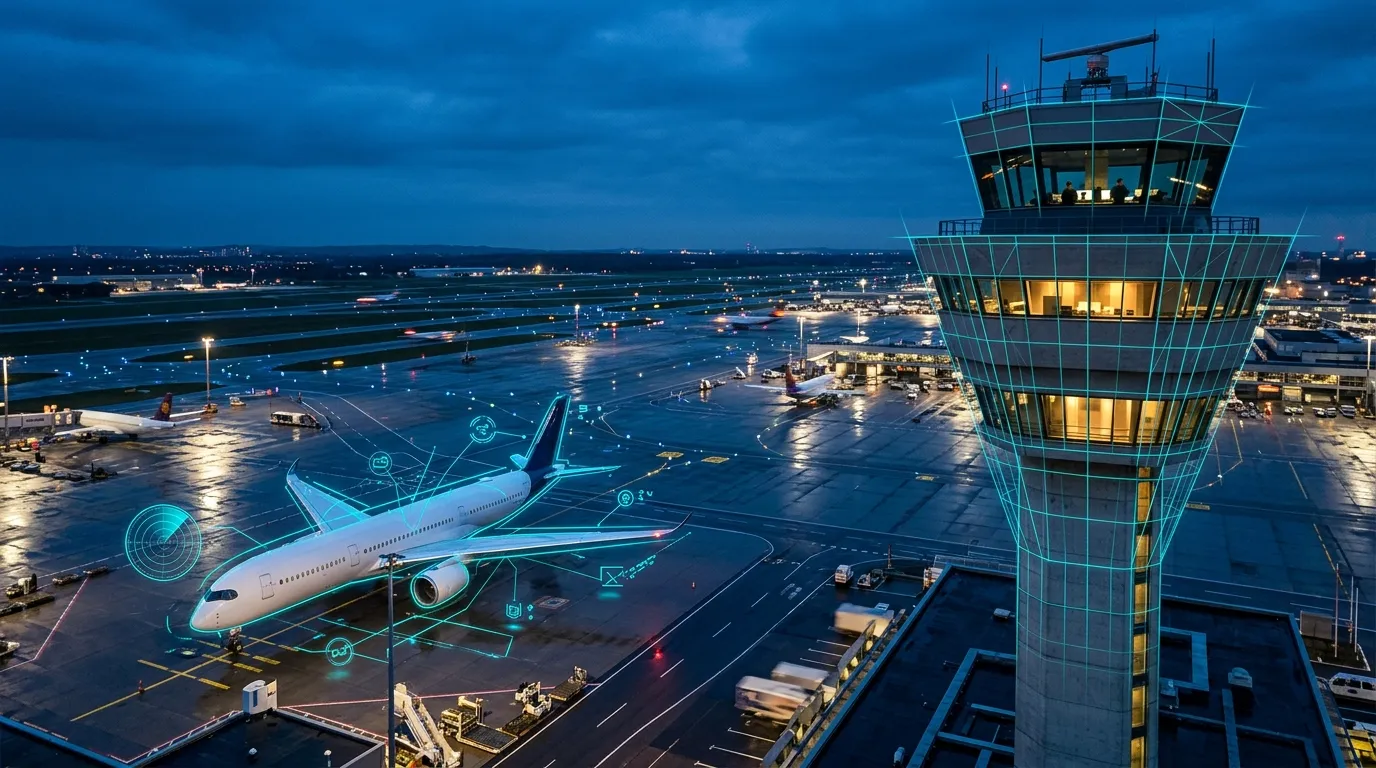

Commercial Space Companies Reshape the Space Economy and Lower Launch Costs
The commercial space sector is experiencing a boom as satellite launch costs have fallen by 97% over two decades, opening the door to new commercial and scientific applications.
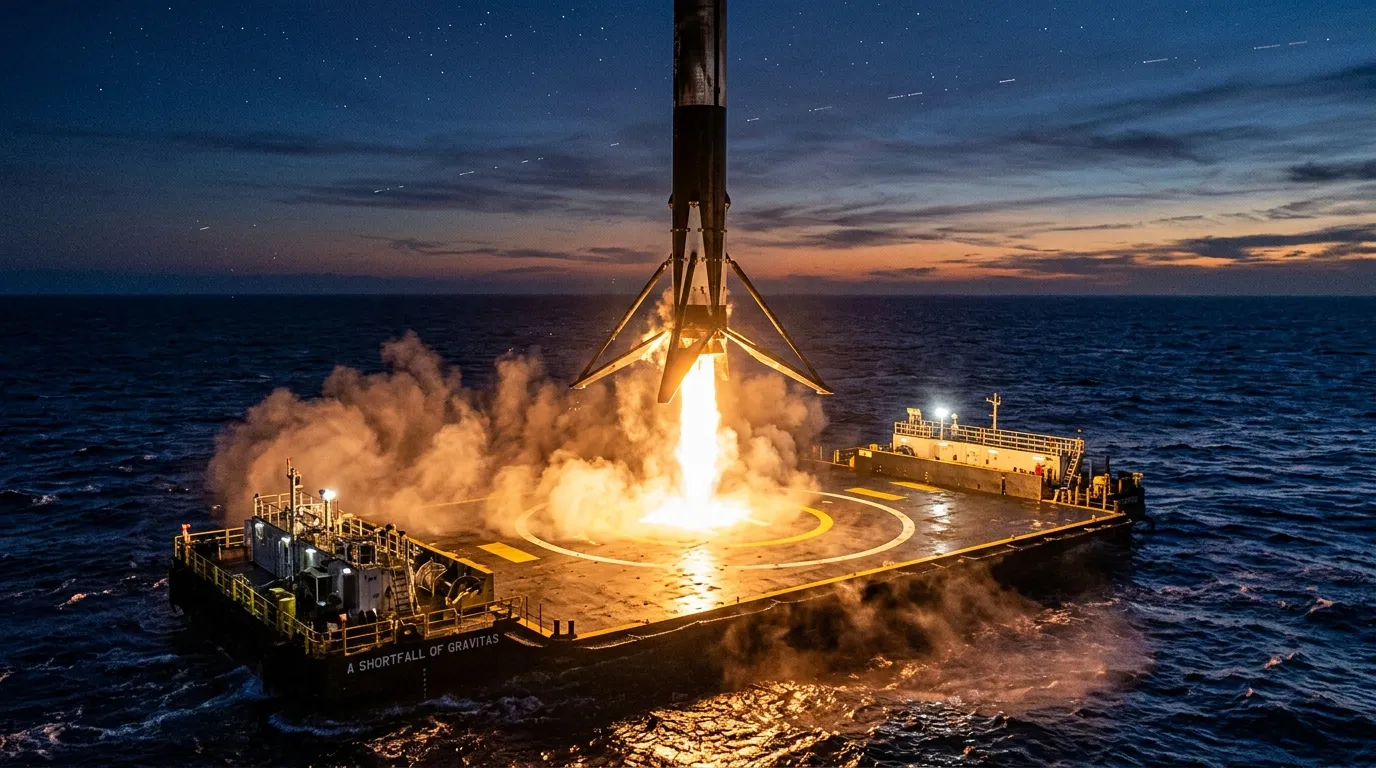
The commercial space sector is experiencing its golden age, as the cost of sending a single kilogram to low Earth orbit has dropped from over $50,000 in the 1990s to less than $1,500 today with reusable Falcon 9 rockets, in a logistical revolution that has changed the rules of the space game.
SpaceX leads the global launch scene with clear dominance, while companies like Blue Origin, Rocket Lab, and Arianespace enter the competition with growing strength, backed by an unprecedented influx of private venture capital exceeding $20 billion annually in this sector.
The impacts extend far beyond launches, as new industries such as space internet (Starlink and OneWeb), Earth observation imaging, and satellite communications have emerged, forming what is known as the "space economy," whose value has surpassed $600 billion.
Analysts believe that the space economy could surpass $1 trillion by 2030, pointing out that Arab countries that do not initiate the build-up of national space capabilities will find themselves fully dependent on external sources for what has come to represent vital infrastructure no less important than electricity, internet, and water networks.
What do these terms mean?
Reusable Rockets: Rockets designed to land and return after launch to be used again, which are the main reason for the collapse of launch costs.
Low Earth Orbit: The orbital range between 200 and 2,000 kilometers above Earth, the preferred location for internet and imaging satellites because its proximity reduces latency.
Space Economy: The sum of economic activities related to space, from satellite manufacturing and launching to space internet services, Earth imaging, and navigation.
Weekly Newsletter
Read between the lines before everyone else. Decode the most important economic, tech, and decision-maker movements in the region.. in 5 minutes every Saturday.