
India Redraws Map of Global Tech Supply Chains and Competes with China for Title of World's Factory
Apple, Samsung, and Nvidia are moving part of their production to India, while New Delhi pumps billions into building a domestic semiconductor industry, in a trajectory that redraws the tech balance of power between East and West.
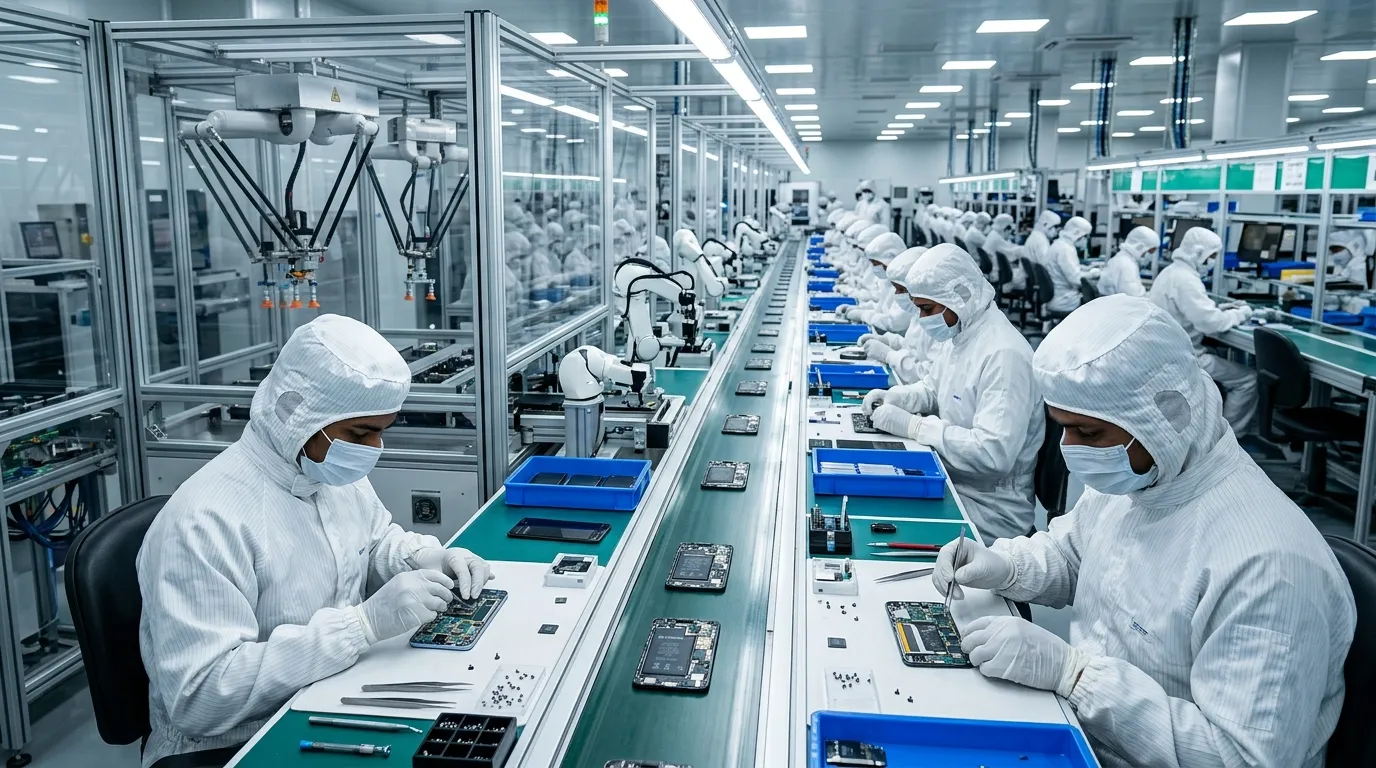
Apple announced manufacturing more than 14% of its iPhones in India in 2024, aiming to raise this proportion to 25% by 2026, in what represents a strategic shift driven by US-China trade tensions and companies' desire to diversify their supply chains away from total reliance on Chinese facilities.
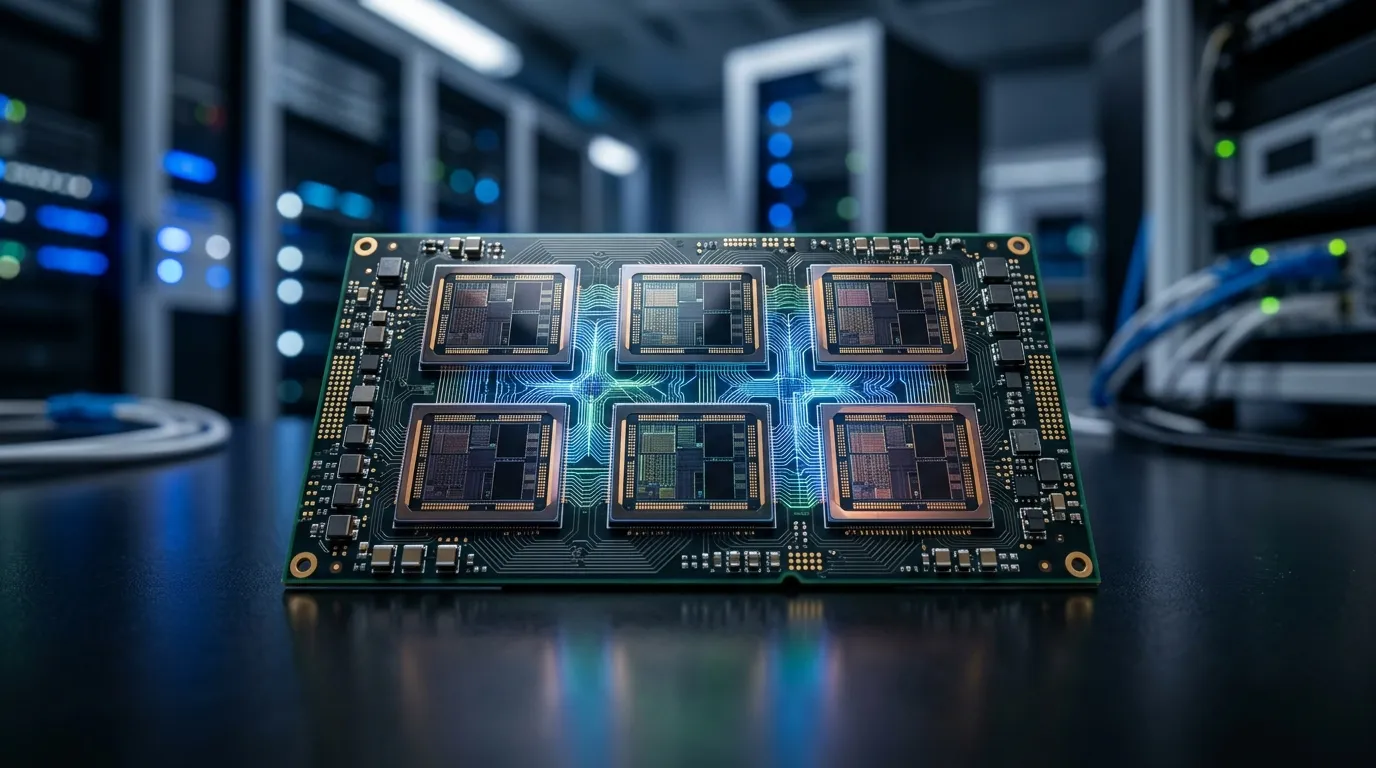
India is launching a $10 billion Production Linked Incentive (PLI) program to attract semiconductor fabs, and is negotiating with companies like Micron and Toshiba to build the first integrated chip manufacturing plants on its territory, while cities like Bengaluru and Hyderabad attract tens of thousands of trained AI engineers annually.
Analysts point to fundamental concerns regarding India's ability to compete with China in manufacturing; logistical, power, and regulatory infrastructure still pose obstacles to large-scale production, and the skilled precision manufacturing workforce is less specialized than that found in established Chinese industrial clusters.
Indian Prime Minister Narendra Modi announces tech investments worth billions of dollars during his meetings with Western and Gulf leaders, seeking to position India as a trusted partner in digital supply chains. Economists believe that the success of this shift will result in three parallel tech supply chains: Chinese, Indian, and Western, which will reshape the entire global tech procurement environment.
What Do These Terms Mean?
Production Linked Incentive (PLI) Program: A government mechanism through which companies investing in local manufacturing and increasing their output are granted direct financial incentives tied to actual production volume, used by India to attract foreign investors.
Supply Chain: The integrated network of suppliers, manufacturers, and distributors that transforms raw materials into a final product that reaches the consumer — any disruption in one link affects the rest of the chain.
Supply Chain Diversification: A strategy adopted by companies to distribute their production across multiple countries and regions instead of relying on a single source, to safeguard against geopolitical risks and disruptions such as pandemics and trade wars.
Weekly Newsletter
Read between the lines before everyone else. Decode the most important economic, tech, and decision-maker movements in the region.. in 5 minutes every Saturday.