
Gulf States and the World Bet on Green Hydrogen as Fuel of the Future, Injecting Billions
Saudi Arabia, the UAE, and Morocco are launching mega green hydrogen projects produced from renewable energy, while Europe announces ambitious import plans amid questions about cost and economic viability.
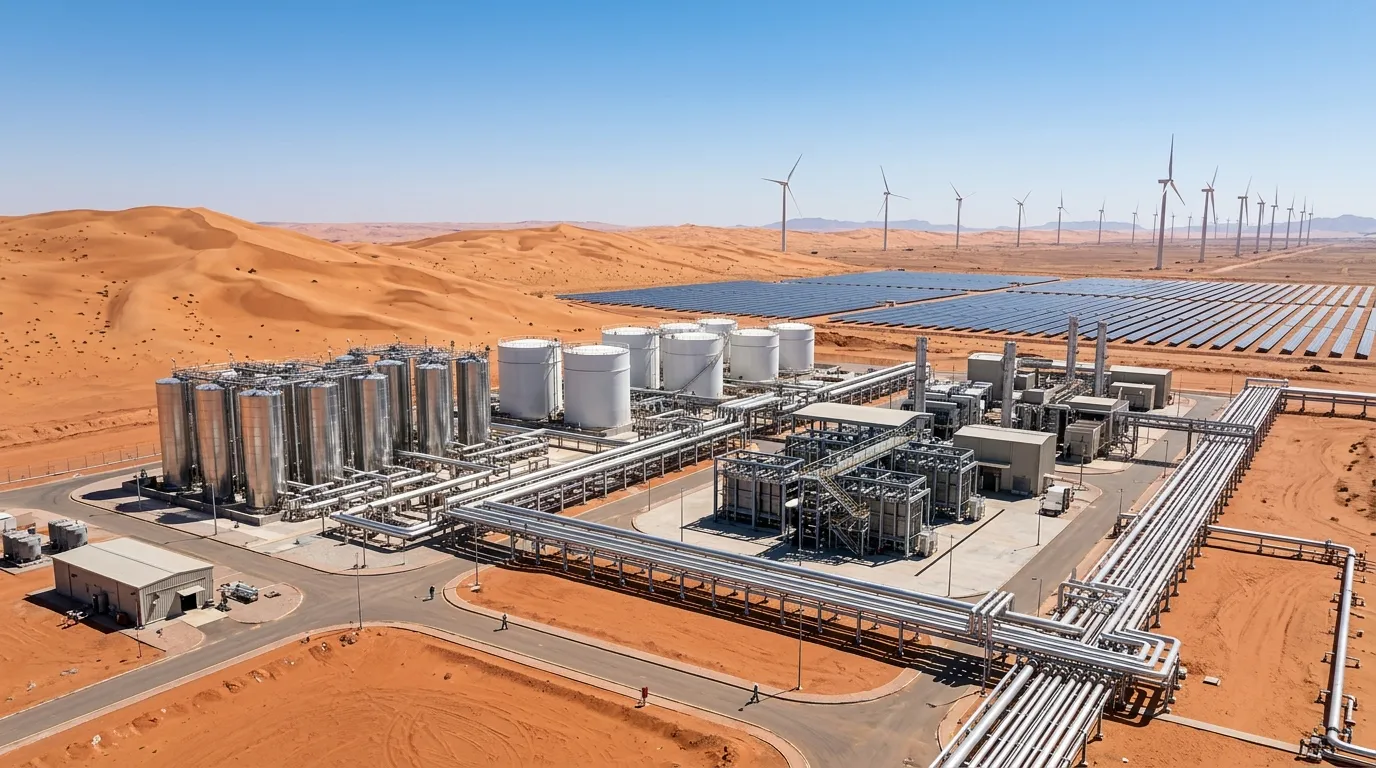
The Saudi city of NEOM is launching the NEOM Green Hydrogen project with a production capacity of 1.2 million tonnes annually of green hydrogen by 2030, while the UAE, Morocco, and Oman have injected joint investments with European and Asian companies totaling more than $50 billion into similar projects.
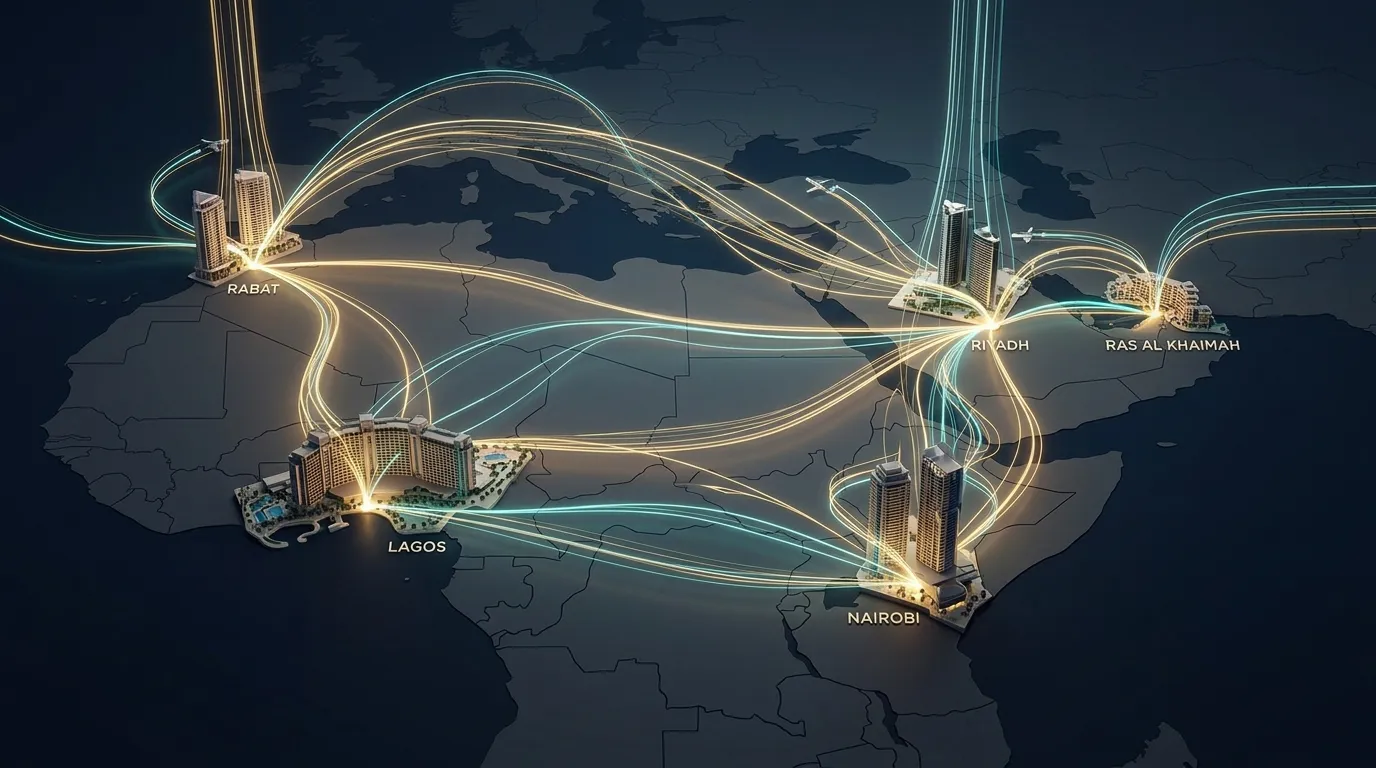
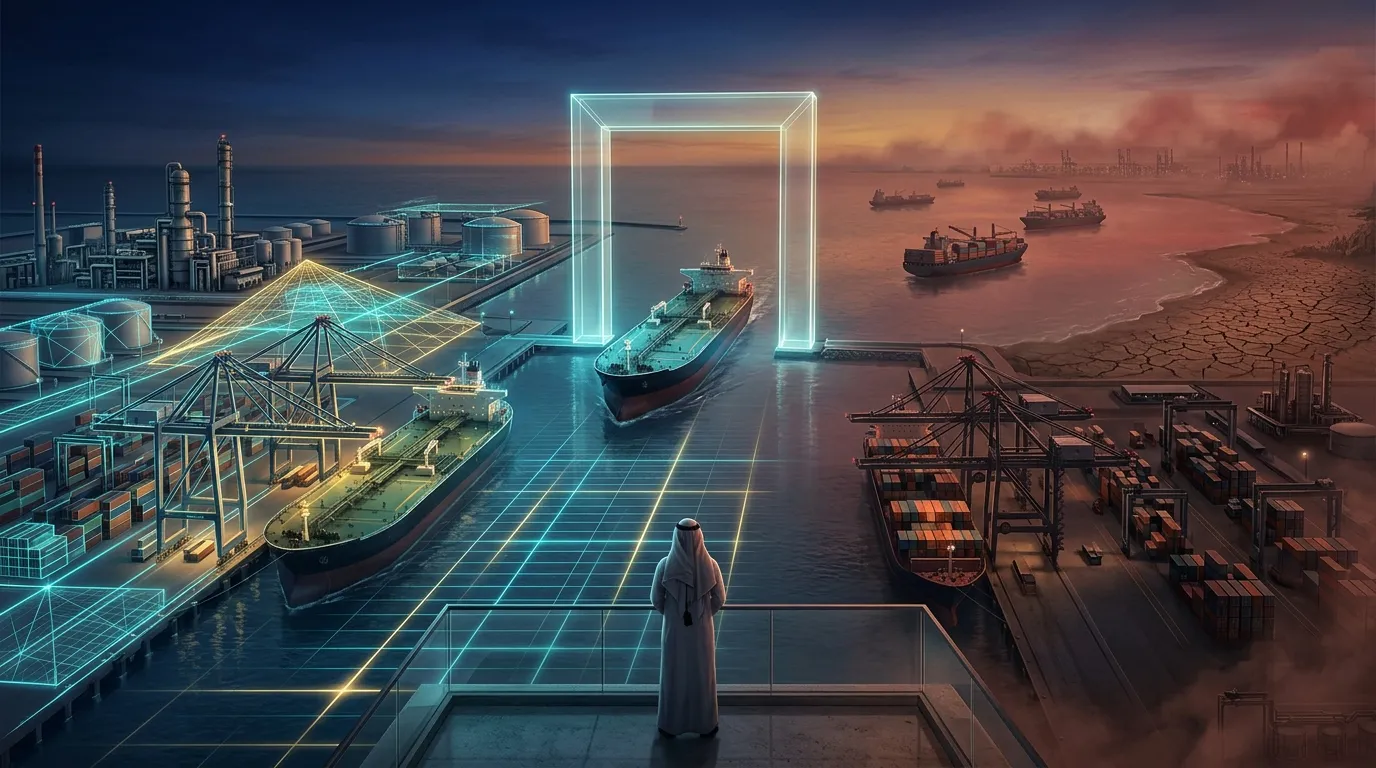
Europe has announced plans to import up to 10 million tonnes of green hydrogen annually by 2030 as part of its REPowerEU strategy to reduce reliance on Russian gas, with Germany and the Netherlands aiming to establish direct export corridors with Arab and African countries via green ammonia.
Critics point out that the cost of green hydrogen remains high, ranging between $3 and $6 per kilogram compared to less than $1 for hydrogen produced from natural gas, making commercial competitiveness difficult without significant government subsidies, according to International Energy Agency estimates.
Researchers observe steady progress in the efficiency of the electrolyzer, which splits water into hydrogen; its costs have fallen by 60% since 2015, and BloombergNEF projects that green hydrogen will become commercially competitive by 2030. Experts agree that sunny Arab countries with vast land areas will be among the biggest beneficiaries of this transition if they succeed in building the necessary infrastructure in time.
What Do These Terms Mean?
Green Hydrogen: Hydrogen produced by electrolyzing water using energy from renewable sources like solar and wind, making it free of carbon emissions and representing a clean alternative to fossil fuels.
Electrolyzer: A device that uses electric current to split water into hydrogen and oxygen, serving as the essential element in the green hydrogen production chain, with its cost steadily declining alongside industrial expansion.
Green Ammonia: A chemical compound (NH3) used to transport green hydrogen as a liquid via sea tankers over long distances, where direct transport of hydrogen is difficult due to its low density.
Weekly Newsletter
Read between the lines before everyone else. Decode the most important economic, tech, and decision-maker movements in the region.. in 5 minutes every Saturday.