
Oil Prices Rise 9% in a Single Week Following Shipping Disruptions in the Strait of Hormuz
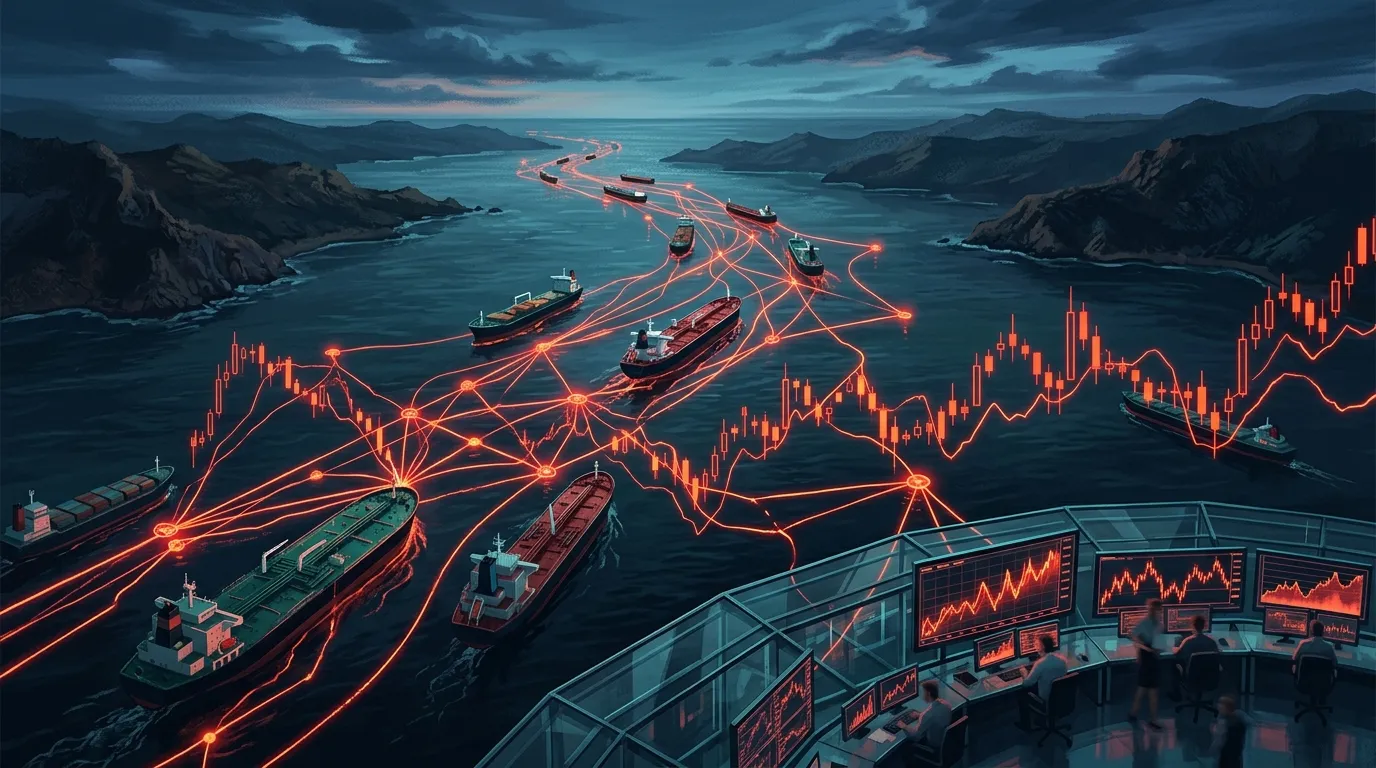
Oil prices jumped nearly 9% in a week following reports of shipping disruptions in the Strait of Hormuz affecting approximately 20 million barrels per day, a sharp increase portending repercussions for global energy markets.
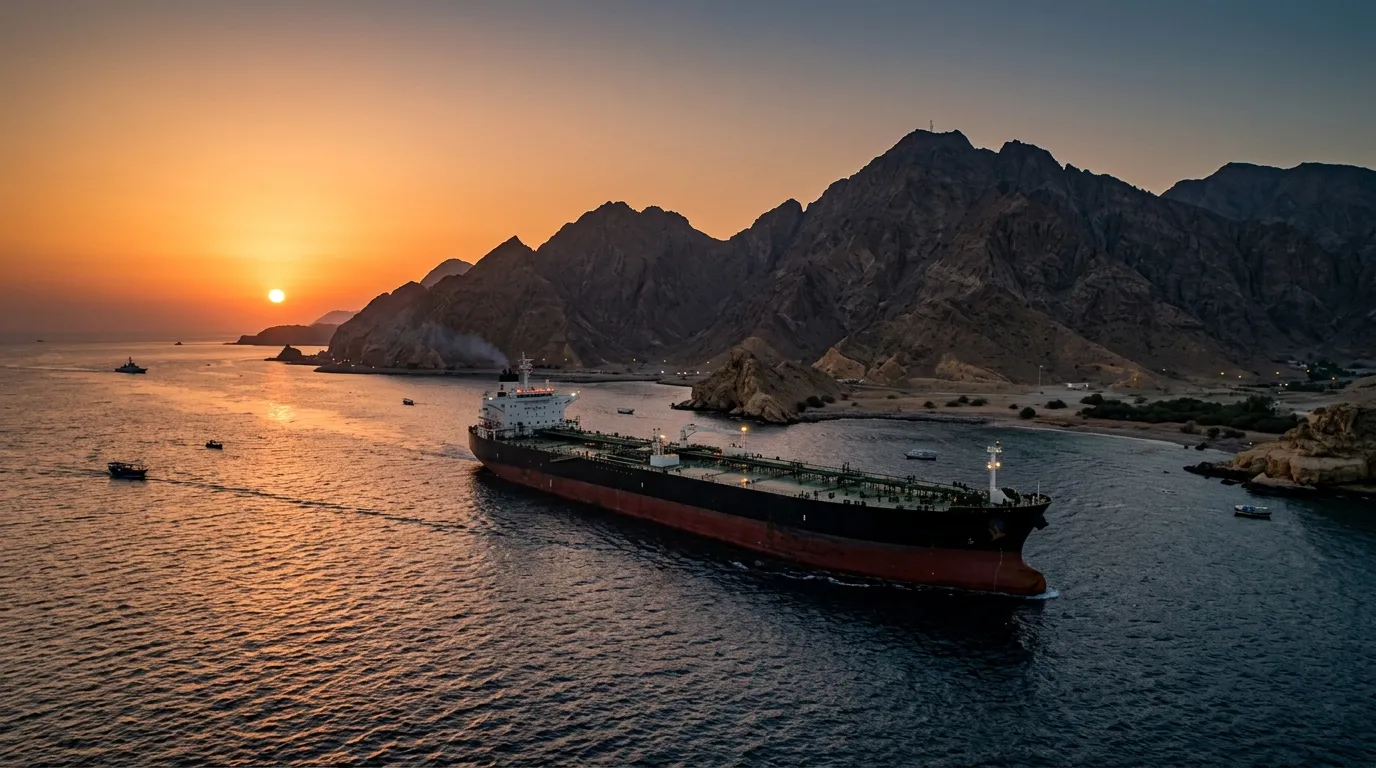
Crude oil prices jumped nearly 9% in a single week following reports of shipping disruptions in the Strait of Hormuz affecting approximately 20 million barrels per day of supplies, marking one of the sharpest weekly increases in crude prices since the outbreak of the conflict in Ukraine in 2022.
The Strait of Hormuz is considered the world's most strategic waterway for energy trade, as nearly a fifth of globally produced oil passes through it. Any disruption to maritime traffic there has immediate effects on international oil markets and fuels fears of supply shortages.
Concerns escalated in the markets that the disruption might extend longer than expected, prompting speculators to build long positions in oil futures contracts, while some analysts reassured that OPEC+ spare production capacity is capable of offsetting part of any temporary deficit.
Oil-producing Gulf states benefit from rising oil prices to boost government revenues and sovereign wealth funds; however, security disruptions in the strait simultaneously pose a threat to the continuity of their exports. Energy experts believe that price spikes driven by geopolitical factors are the most volatile and could recede quickly if security is restored in key maritime passages.
What do these terms mean?
Strait of Hormuz: A narrow waterway located between the Sultanate of Oman and Iran, measuring about 39 kilometers wide at its narrowest point, and serves as a vital artery for Gulf oil and gas exports to Asia, Europe, and the rest of the world.
Oil Futures: Financial contracts that allow the purchase of oil at a specified price on a future date. They are used by energy companies to lock in fixed prices and by speculators to bet on price direction, representing the primary indicator of market expectations.
Spare Production Capacity: The amount of oil that OPEC+ countries can pump into the market within a short period when needed. It acts as a safety cushion to prevent excessive price spikes during crises or temporary disruptions.
Weekly Newsletter
Read between the lines before everyone else. Decode the most important economic, tech, and decision-maker movements in the region.. in 5 minutes every Saturday.