Japan's MMX Mission Launches Tuesday with NASA Contribution
Japan is preparing to launch the MMX mission to Mars' moon Phobos on October 20, featuring two NASA instruments costing $87 million in exchange for a share of the samples.
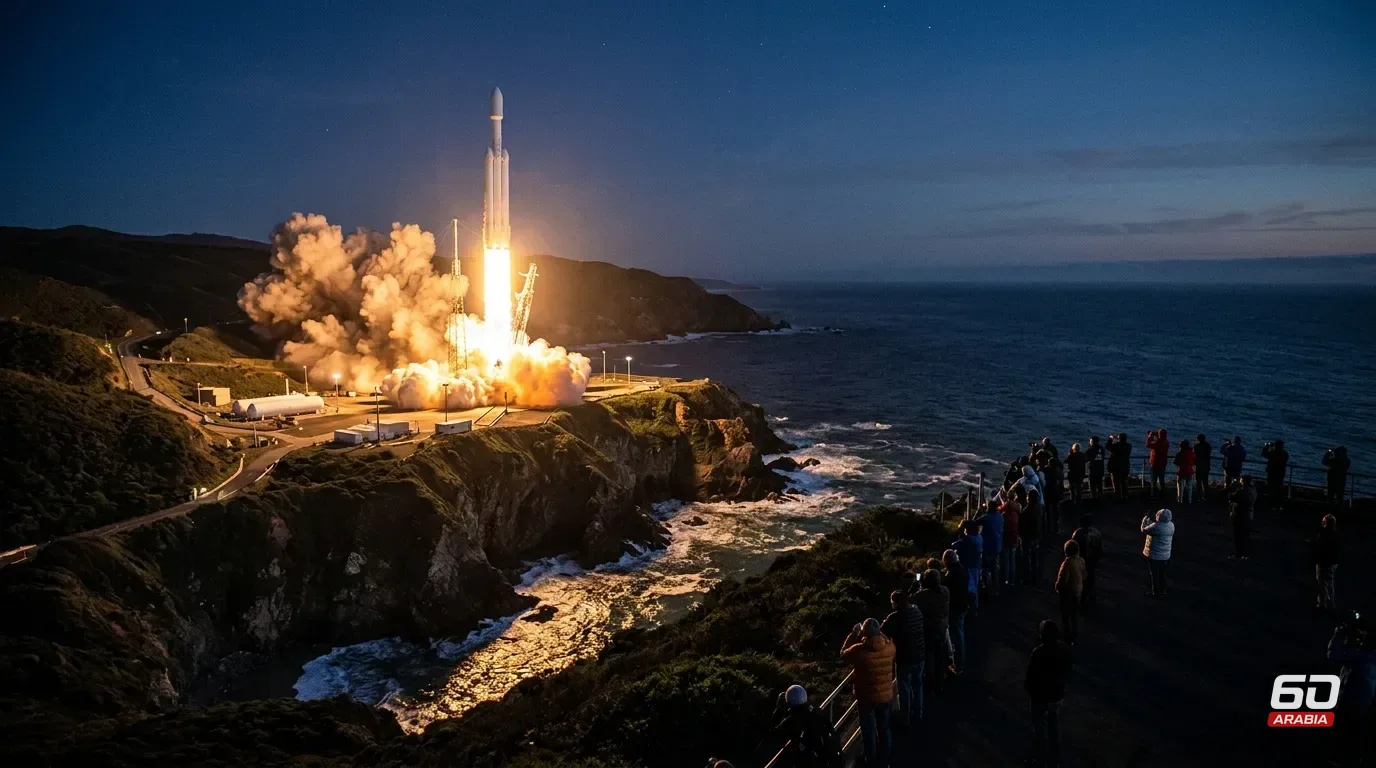
Japan's space agency JAXA is preparing to launch its MMX mission to Mars' moon Phobos aboard an H3 rocket from Tanegashima Space Center at 4:41 a.m. Japan Standard Time on Tuesday, October 20, as reported by SpacePolicyOnline.
The mission aims to land on Phobos, deploy the European IDEFIX rover—a joint effort between the German and French space agencies—and return samples to Earth by 2031.
NASA is participating with the MEGANE gamma-ray and neutron spectrometer instrument, developed by the Johns Hopkins Applied Physics Laboratory, and the P-SAMPLER device from Honeybee Robotics.
The total lifecycle cost of NASA's instruments is $87 million over 14 years, in exchange for receiving at least 15% of the returned samples.
What Do These Terms Mean?
Phobos: The larger of Mars' two moons, orbiting the planet in very close proximity to its surface.
Gamma-Ray and Neutron Spectrometer: An instrument that detects radiation emitted from a celestial body's surface to determine the composition of its soil and minerals.
Sample Return: A mission that collects rocks and soil from a celestial body and returns them to Earth for laboratory analysis.
Weekly Newsletter
Read between the lines before everyone else. Decode the most important economic, tech, and decision-maker movements in the region.. in 5 minutes every Saturday.