
Japan Pays the Cost of Bypassing Hormuz via Three Energy Security Bills
The Japanese government approved three energy security bills, including subsidizing crude transport costs via routes that bypass Hormuz and covering part of maritime insurance compensation.
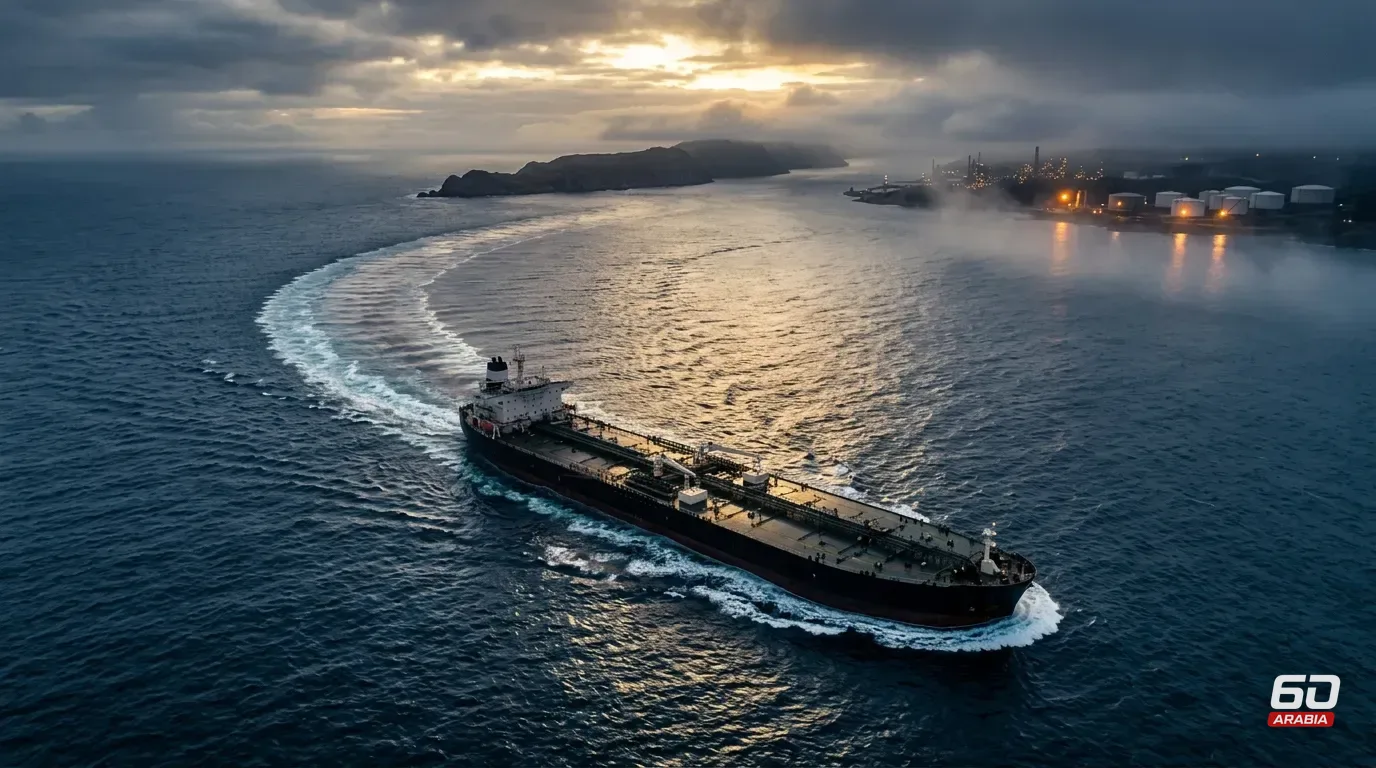
The Japanese Cabinet approved three energy security bills, according to the World Ports Organization. The bills include a grant scheme compensating companies for higher transport costs when importing crude oil via routes that avoid sensitive transit points such as the Strait of Hormuz.
The subsidy system is funded by levies imposed on petroleum product producers and importers, according to the source. A second law allows the state to cover part of maritime insurance compensation if foreign reinsurers withdraw.
These laws require approval by the Japanese Parliament (Diet) before taking effect. The move comes as risks to navigation in key shipping lanes increase and freight and insurance costs fluctuate.
This direction reflects oil-importing nations' concerns about relying on a single route, with a significant portion of Japan's supplies passing through the Gulf, making route diversification and covering its cost an energy security priority.
What do these terms mean?
Strait of Hormuz: A narrow waterway connecting the Gulf to the Gulf of Oman, through which a significant portion of global oil exports passes.
Petroleum products: Refined products from crude oil such as gasoline and diesel, produced in refineries and consumed in transport and industry.
Reinsurance: Insurance purchased by the insurance company itself to share major risks; if foreign reinsurers withdraw, the state covers part of the compensation.
Weekly Newsletter
Read between the lines before everyone else. Decode the most important economic, tech, and decision-maker movements in the region.. in 5 minutes every Saturday.