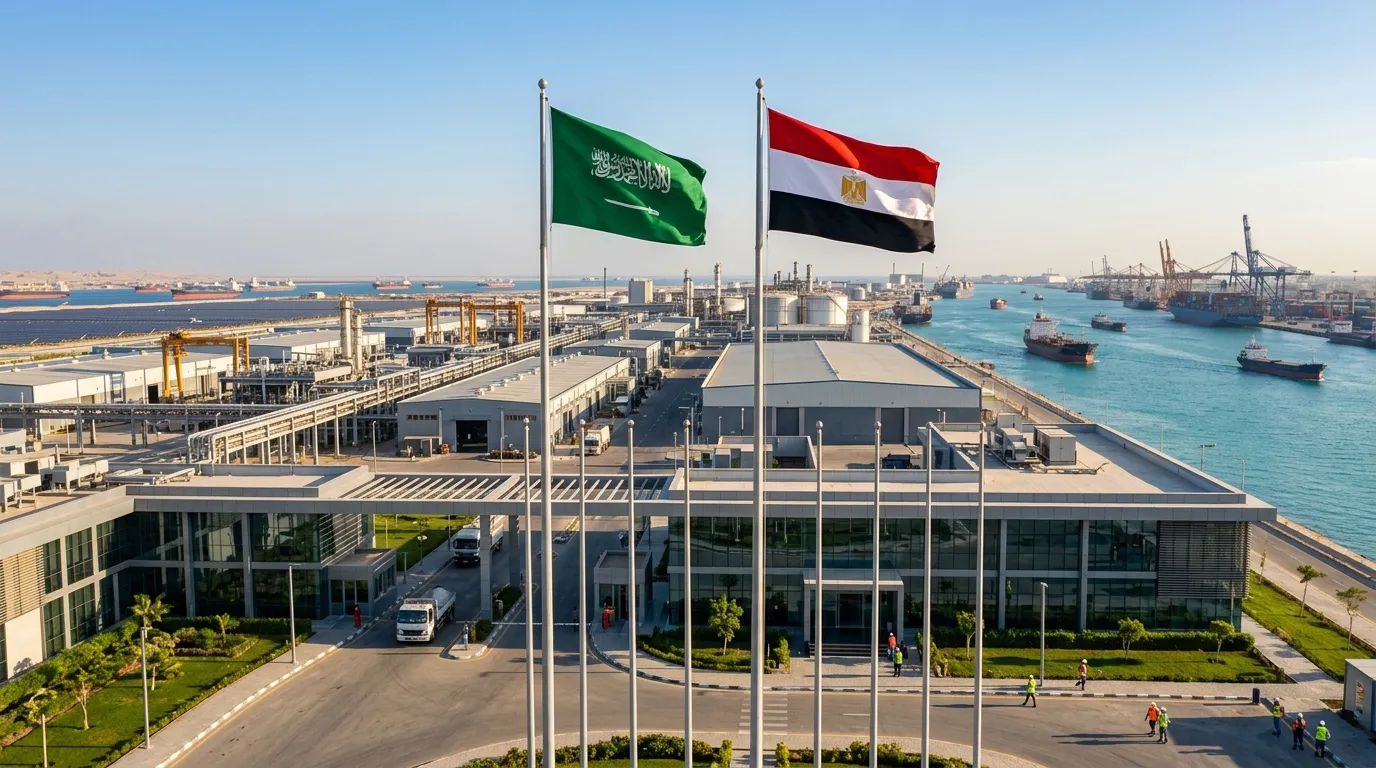

Egypt and Saudi Arabia Sign Agreement to Interconnect Their Power Grids
Egypt and Saudi Arabia signed an agreement to exchange electricity via a subsea interconnection line in the Red Sea, aiming to enhance energy security in both countries and reduce reliance on fossil fuels.
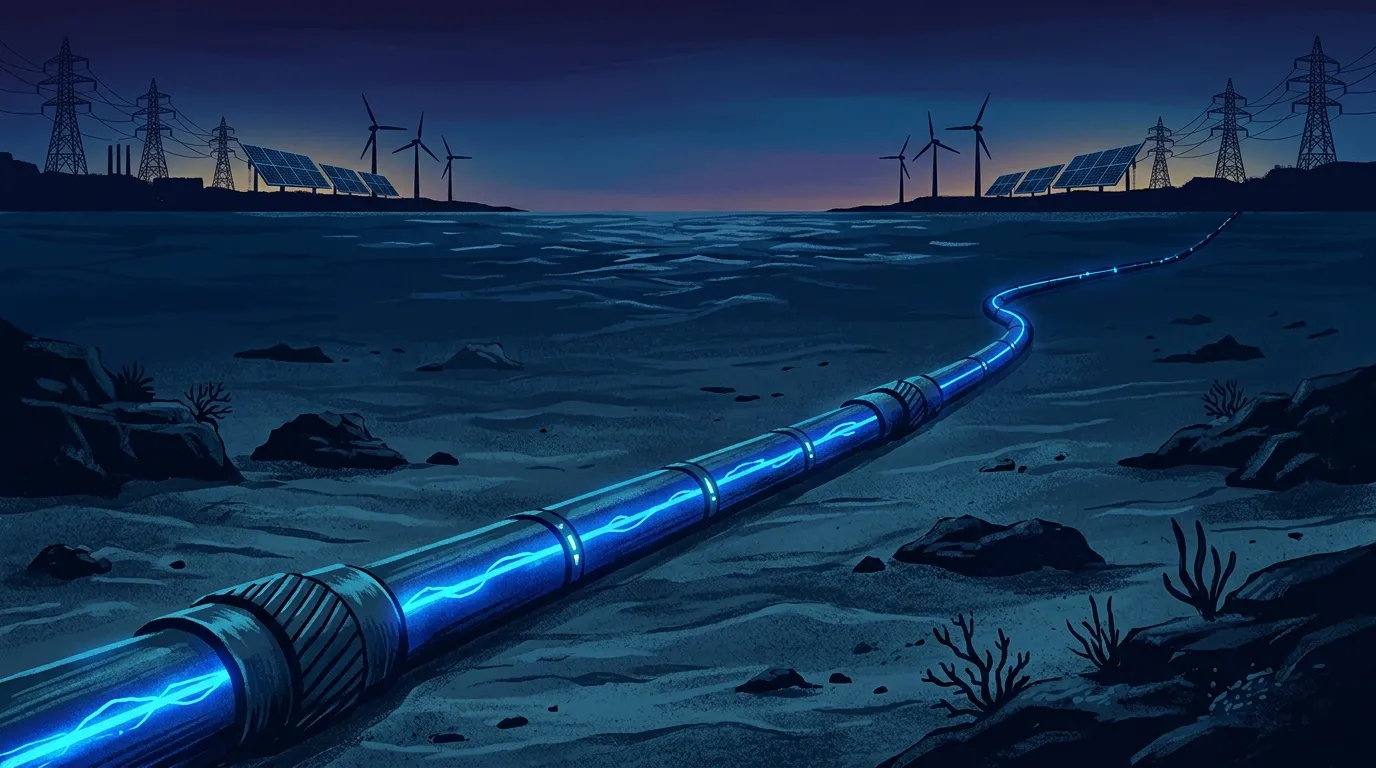
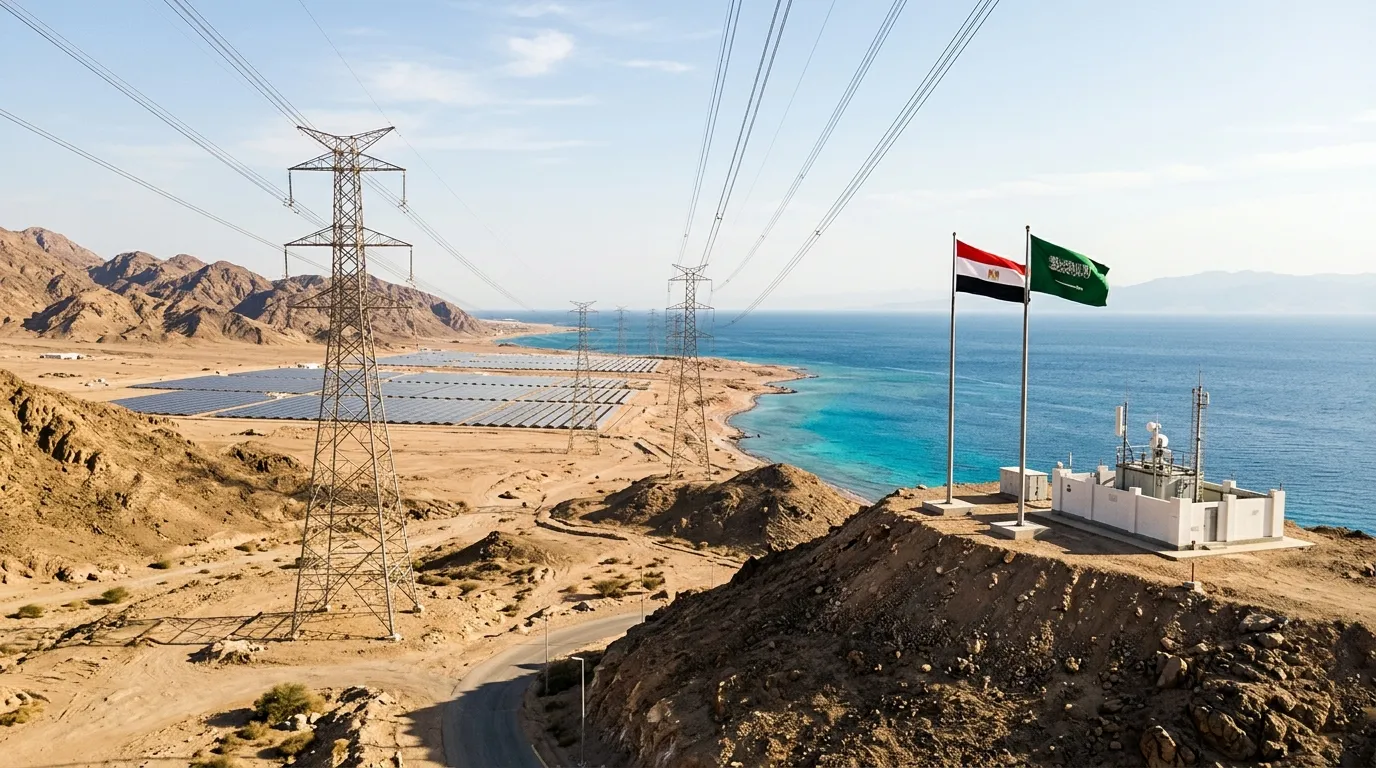
Egypt and the Kingdom of Saudi Arabia signed a framework agreement to establish a subsea electrical interconnection line crossing the Red Sea, on the sidelines of the Saudi-Egyptian Joint Committee meetings, according to an announcement by the electricity ministers of both countries.
The official statement explained that the line will extend over a length exceeding 900 kilometers, with a capacity of approximately 3,000 megawatts, making it one of the largest electrical interconnection projects in the Middle East and North Africa region.
This signing comes in the context of Egypt's strategy to export renewable energy to the Gulf, as Cairo seeks to leverage its vast potential in wind and solar energy from projects such as the Benban Solar Park, transforming it into a sustainable economic resource through exports.
The two countries began electrical interconnection talks several years ago, and royal and presidential directives resulted in accelerating the project timelines, amid rising demand for clean energy in the Kingdom to support the targets of Vision 2030.
What do these terms mean?
Electrical Interconnection Line: A cable passing through the sea or land that enables electricity exchange between two or more countries, helping to balance supply and demand when needed.
Megawatt: A unit of measurement for electrical capacity equal to one million watts, used to measure the capacity of power stations and transmission lines.
Weekly Newsletter
Read between the lines before everyone else. Decode the most important economic, tech, and decision-maker movements in the region.. in 5 minutes every Saturday.