Microsoft Unveils MAI-Base-2 with Two Trillion Parameters and 12x Higher Efficiency
Microsoft unveiled MAI-Base-2, a base model with two trillion parameters that activates 80 billion per request, claiming it outperforms the largest open models with up to 12 times higher efficiency.
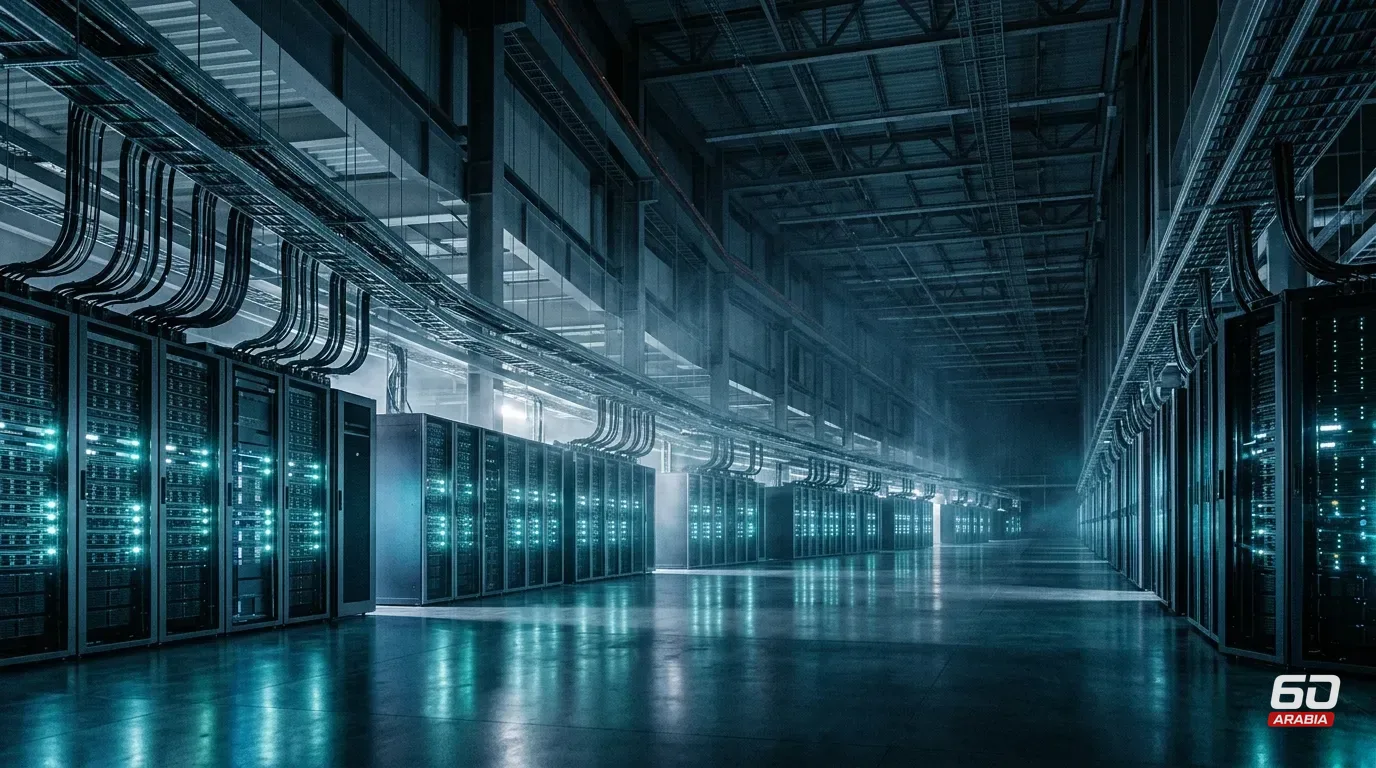
Microsoft unveiled its new base model, MAI-Base-2, stating that it outperforms the largest open-source base models in internal benchmarks covering science, programming, and mathematics questions.
The model utilizes a "Mixture of Experts" architecture with a total capacity of two trillion parameters, activating only 80 billion parameters per request processing. The company states it trained the model over 38 days using 16,000 Nvidia GB200 chips and 50 trillion tokens, with about one-fifth of these tokens used to train an integrated computer vision module capable of understanding scientific diagrams.
Microsoft notes that the model surpasses DeepSeek-V4-Pro-Base, currently the strongest open-source base model according to the company, and is up to 12 times more hardware-efficient by certain metrics. The company also employed techniques such as gradient clipping and the Muon optimizer to accelerate training and reduce errors.
MAI-Base-2 is not an end-user-ready model, but rather a base model requiring additional training rounds to add reasoning capabilities and safety guardrails before turning into a product. Microsoft plans to license its weights to trusted partners via the Azure cloud and use it to power a new series of language models, with further details to be announced later.
What do these terms mean?
Base Model: An AI model trained on vast amounts of data that has not yet undergone fine-tuning to make it an end-user-ready assistant.
Mixture of Experts (MoE): An architecture that activates a small fraction of the model's network for each request instead of running the full network, reducing cost and energy consumption.
Parameter: A numerical value within the model adjusted during training; the higher the number of parameters, the greater the model's ability to represent complex patterns.
Token: A small piece of text, which could be a word or part of a word, into which the model divides inputs and calculates costs.
Weekly Newsletter
Read between the lines before everyone else. Decode the most important economic, tech, and decision-maker movements in the region.. in 5 minutes every Saturday.


.jpeg?alt=media&token=94befd11-d37f-46fb-9c9d-621a1d92f33e)