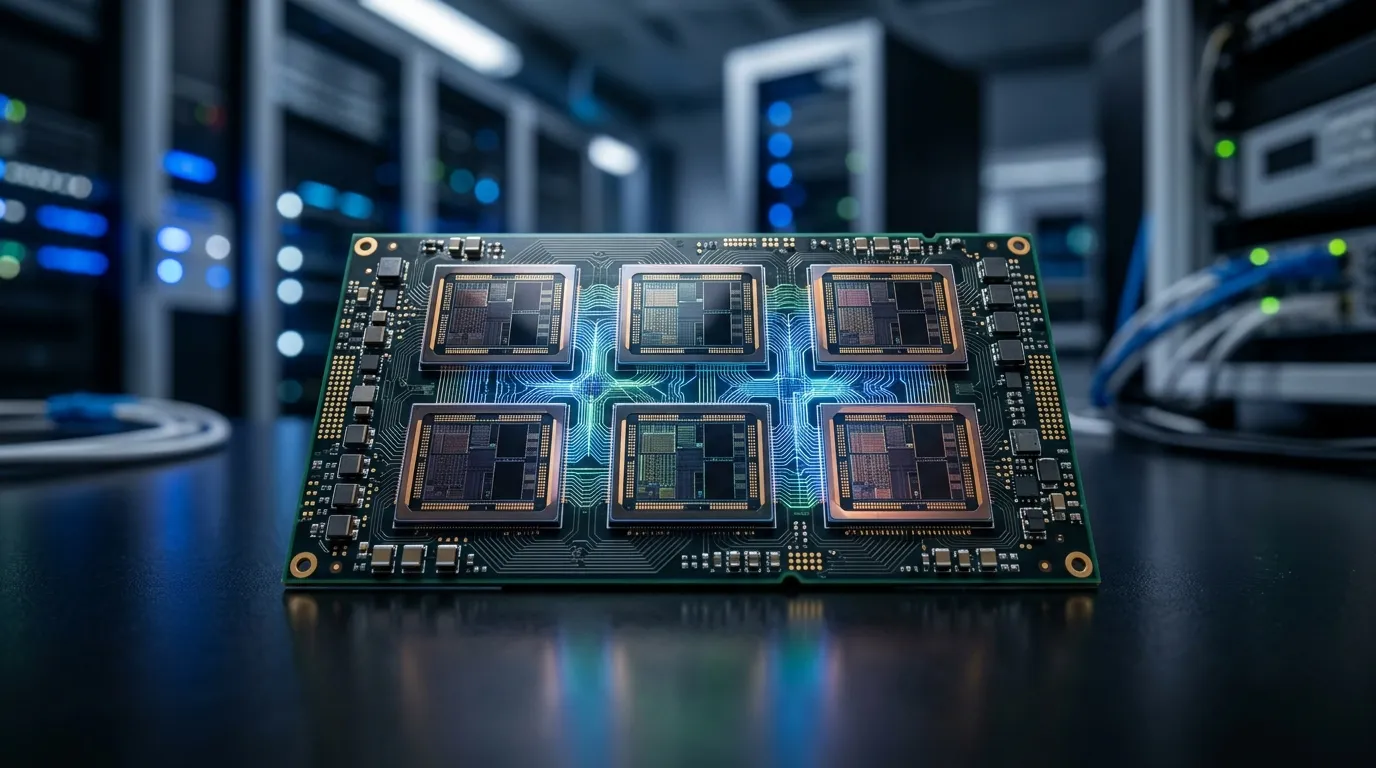

Brain-Computer Interfaces Transform the Lives of Paralyzed Individuals and Open Unprecedented Therapeutic Horizons
Neuralink and academic researchers have succeeded in enabling paralyzed patients to control computers with their thoughts, making this technology one of the most prominent intersections between neuroscience and artificial intelligence in recent years.
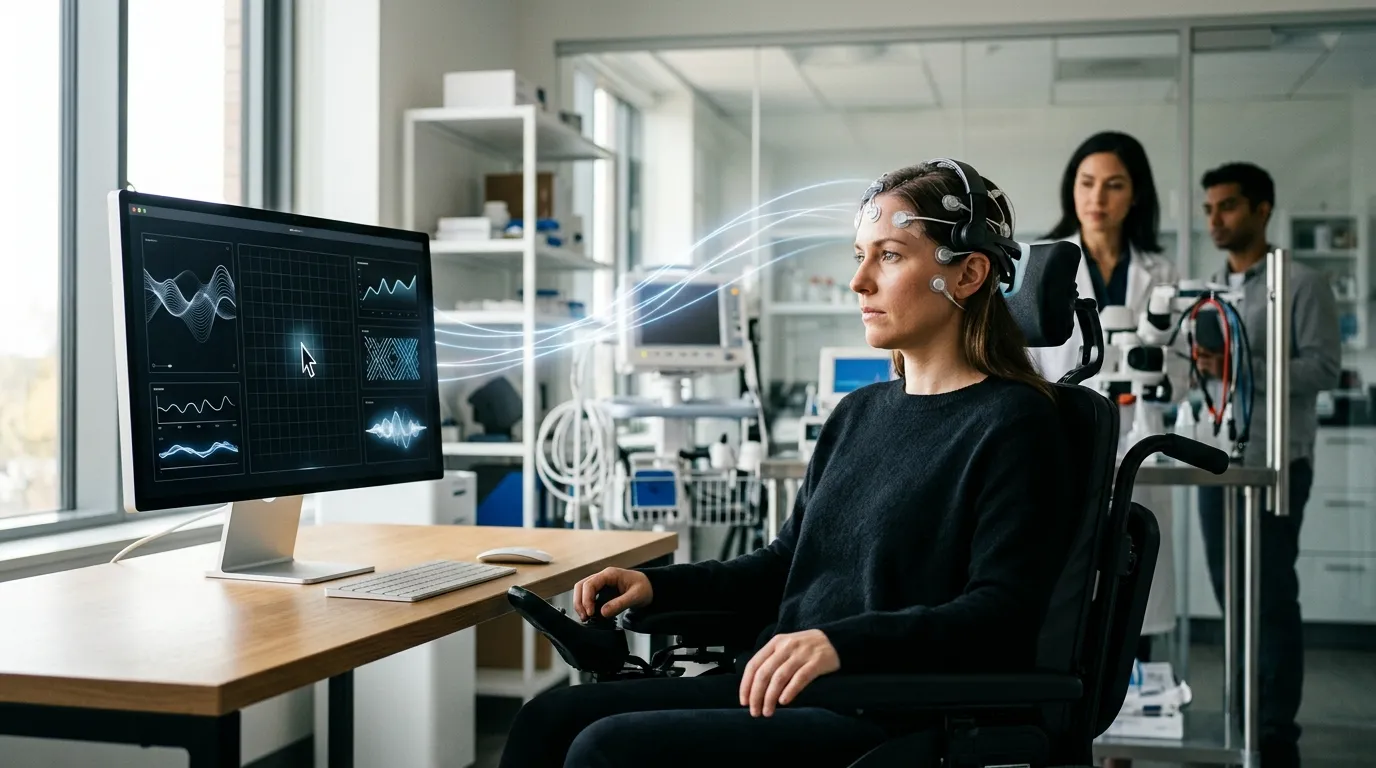
In 2024, Neuralink conducted its first human trial by implanting a brain chip named "Telepathy," enabling a quadriplegic patient to control a computer cursor through thought alone; meanwhile, researchers at Stanford University independently developed a system that translates brain signals into text at a speed exceeding 90 words per minute.
Brain-computer interfaces work via minute microelectrodes implanted in the brain's motor cortex or placed on its surface, capturing electrical neural signals associated with movement intention and sending them to artificial intelligence algorithms that interpret and convert them into commands controlling external devices.
This technology raises profound ethical questions, as researchers express concern over potential breaches of mental privacy and the commercial use of brain data, in addition to fears of widening disparities between those who can afford this technology and those who cannot, as well as the long-term consequences of connecting the human mind to digital devices.
Hospitals and research centers in the UAE and Saudi Arabia are seeking partnerships with neurotechnology companies to utilize this research in treating spinal cord injuries and brain diseases. Neurology experts believe that brain-computer interfaces will redefine physical disability over the next decade, enabling paralyzed individuals to interact with the digital world as efficiently as healthy individuals.
What Do These Terms Mean?
Brain-Computer Interface (BCI): A technological system that directly connects the human brain to a computer without physical intermediaries like hands or voice, allowing control of devices or communication through thought alone, much like a keyboard enables text entry but directly via brain signals.
Motor Cortex: A region in the brain responsible for planning and executing voluntary movements, which sends neural commands to the body's muscles—targeted by BCI chips because it contains clear signals linked to movement intention, even in individuals unable to move their bodies.
Neural Decoding: A process in which artificial intelligence algorithms are used to interpret electrical signals emitted by the brain and translate them into understandable commands, similar to an interpreter translating speech from one language to another, but here translating neuronal activity into movements or words.
Weekly Newsletter
Read between the lines before everyone else. Decode the most important economic, tech, and decision-maker movements in the region.. in 5 minutes every Saturday.


.jpeg?alt=media&token=94befd11-d37f-46fb-9c9d-621a1d92f33e)