
Anthropic, OpenAI, and Google Discuss Establishing Voluntary AI Standards Body Amid Monopoly Warnings
Anthropic, OpenAI, and Google are reportedly discussing the creation of a joint voluntary AI standards body, while the CEO of Cohere warned that such a body could turn into an industrial cartel.
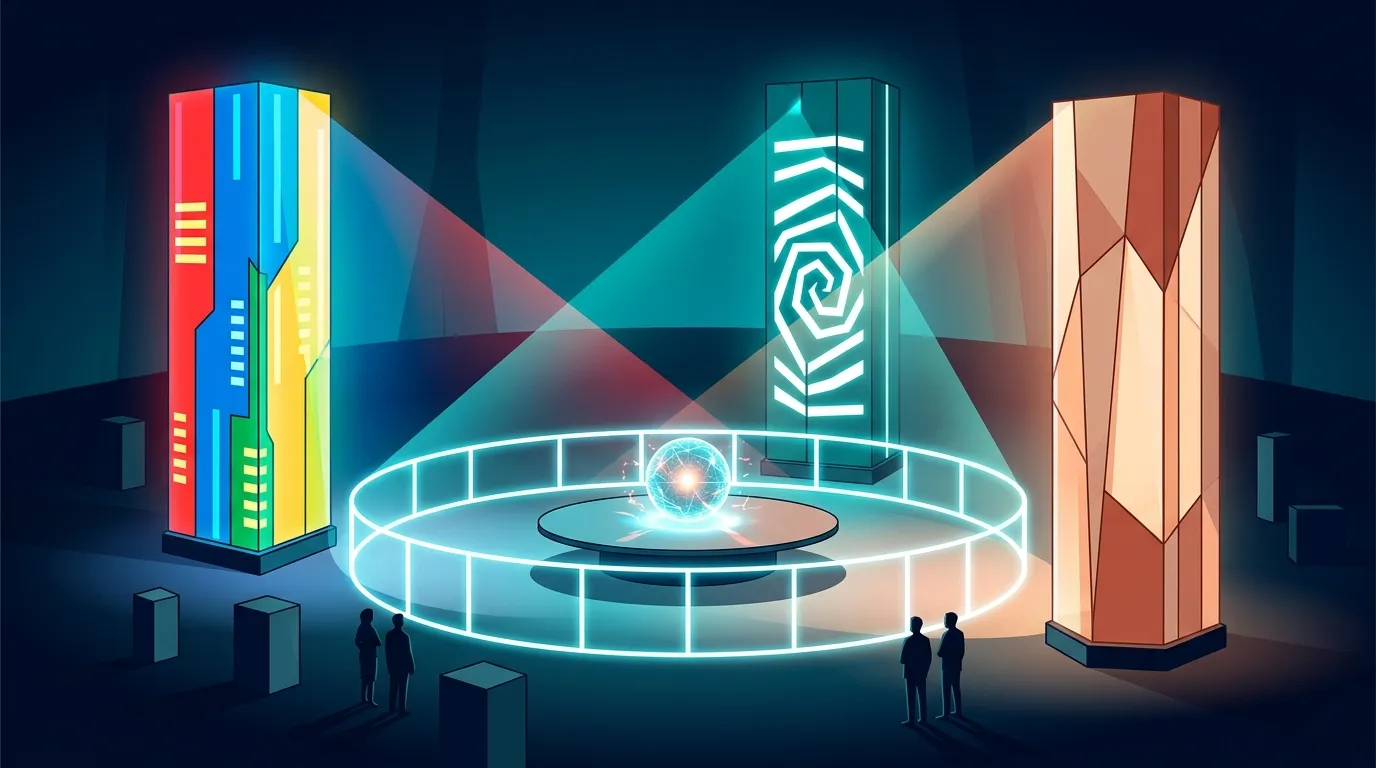
Three of the world's leading artificial intelligence companies—Anthropic, OpenAI, and Google—are reportedly discussing the possibility of establishing a joint voluntary body tasked with setting industry standards, in a move aimed at helping shape the regulatory framework for AI before rules are imposed on them from outside the sector.
However, the proposed move immediately drew sharp criticism; Aidan Gomez, CEO of enterprise AI specialist Cohere, warned that such a body could effectively operate as an "industrial cartel," allowing dominant companies to legitimize their position in ways that serve their interests and restrict access for smaller companies and new competitors.
This proposed initiative raises fundamental questions about neutrality and balance in any standards body led by the most powerful players in the market itself, and whether it would constitute an effective mechanism to protect society or a tool to consolidate dominance.
These discussions are reportedly taking place amid rising pressure from international regulatory bodies on AI companies, particularly after the European AI Act came into effect, prompting companies to seek self-regulation models to prevent harsher external restrictions.
What do these terms mean?
**Industrial Cartel:** An agreement or structure among major competitors in an industry to coordinate in areas such as pricing, standards, or market access, in ways that may restrict competition and harm smaller players and consumers.
**Voluntary Standards Body:** A sector-specific organization voluntarily established by industry participants to set common standards and best practices without being legally binding, though it often serves as the reference point for future legislation.
Weekly Newsletter
Read between the lines before everyone else. Decode the most important economic, tech, and decision-maker movements in the region.. in 5 minutes every Saturday.