60 Countries Pledge to Reject Transit Fees in Maritime Straits
The Philippines joined 59 countries in a European-led pledge rejecting new tolls on transit through key maritime waterways, based on the rules of the law of the sea.
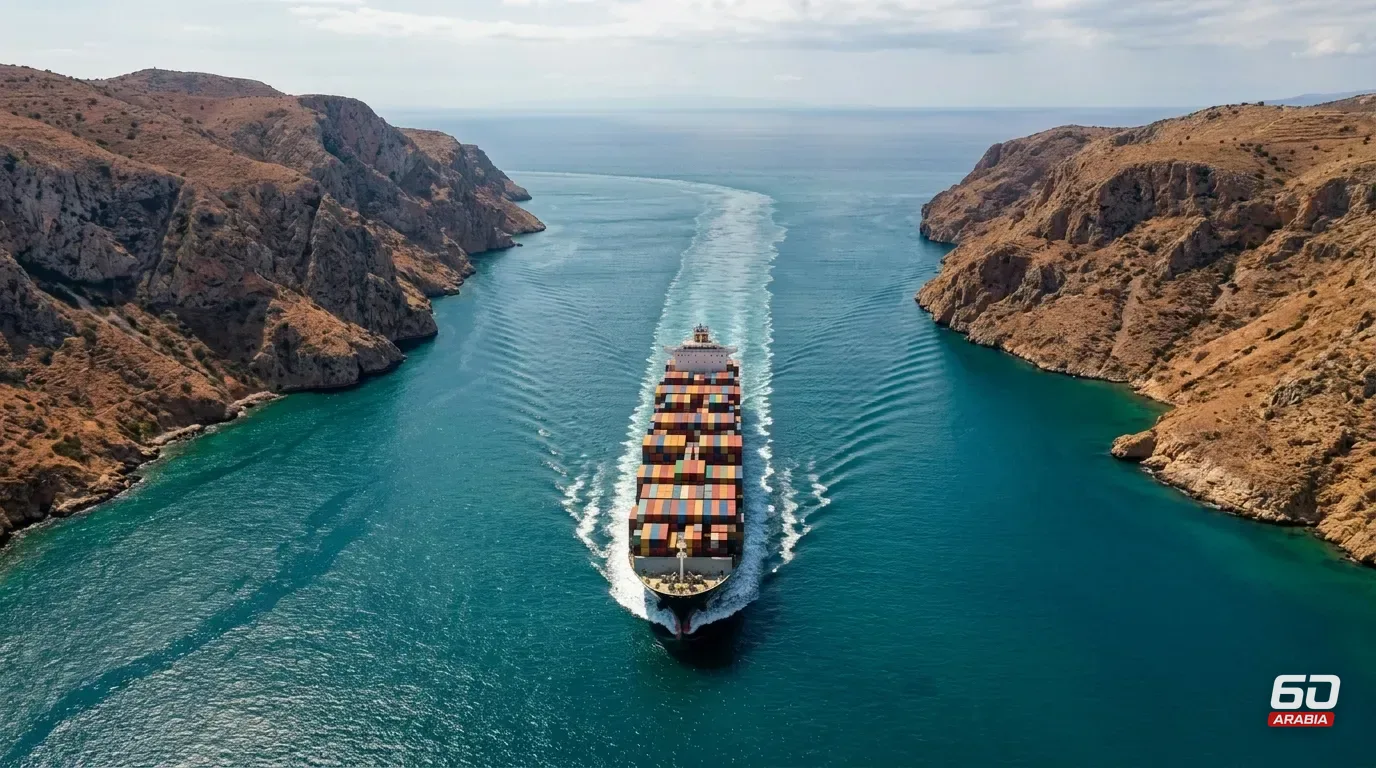
The Philippines joined 59 other countries in a European-led pledge rejecting new fees on passage through key maritime waterways, according to the "Philstar" newspaper. European foreign policy chief Kaja Kallas announced the pledge on October 12 in Luxembourg.
The pledge is based on the United Nations Convention on the Law of the Sea, which stipulates that no state may impose tolls on transit through straits. The initiative came after reports that Iran established a system to collect fees in the Strait of Hormuz.
The pledge reflects growing concern among maritime trading nations over international waterways becoming a tool for levying fees, which could increase shipping costs and undermine the freedom of navigation on which global trade relies.
This affects Arab countries bordering vital maritime passages, as a large portion of their exports and imports depends on transit remaining open and free of fees that violate international law.
What do these terms mean?
United Nations Convention on the Law of the Sea: An international treaty regulating the use of seas and oceans, guaranteeing the right of safe transit through international straits without unilateral fees.
Transit fees: Amounts imposed by a state on vessels crossing a waterway under its control, considered a violation of international law when levied on an international strait.
Freedom of navigation: A principle allowing commercial vessels to move between countries without obstacles or illegal royalties, forming the basis of global trade.
Weekly Newsletter
Read between the lines before everyone else. Decode the most important economic, tech, and decision-maker movements in the region.. in 5 minutes every Saturday.