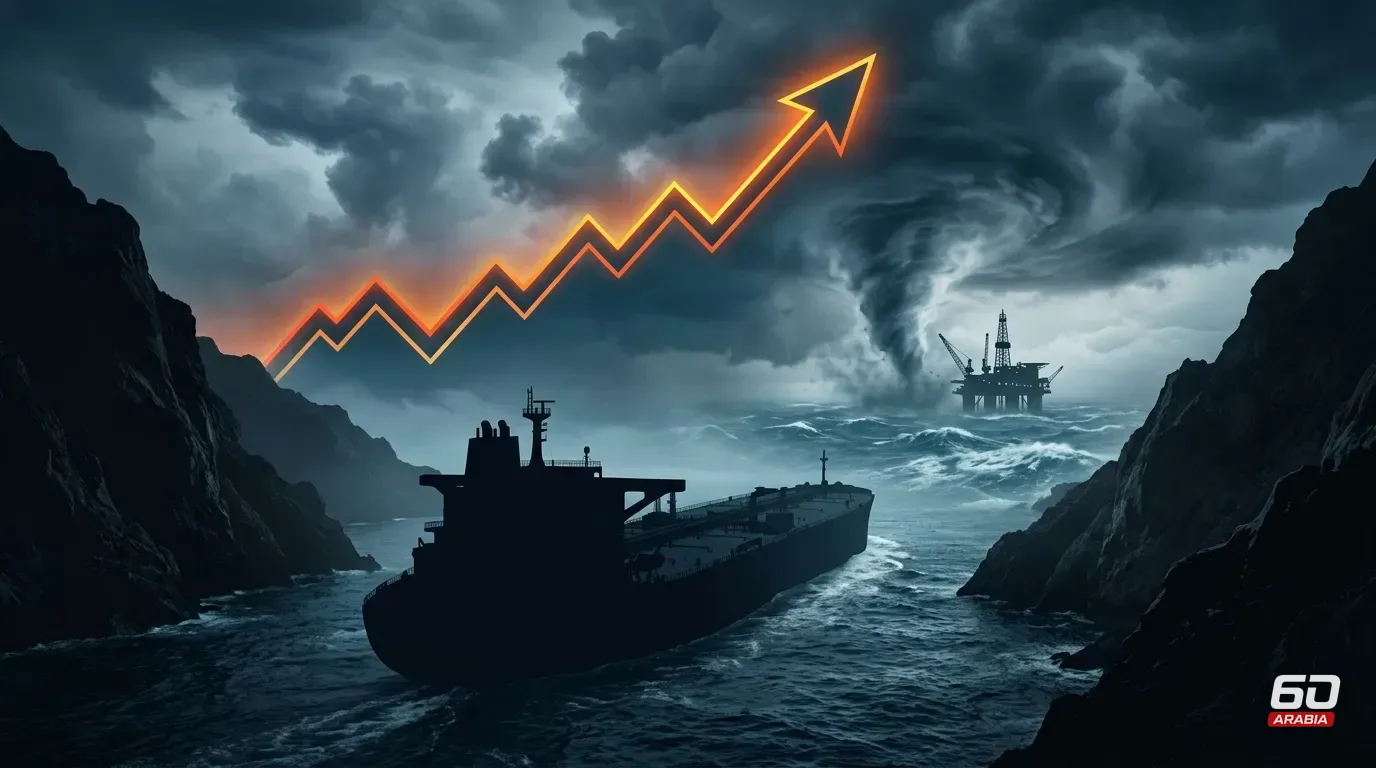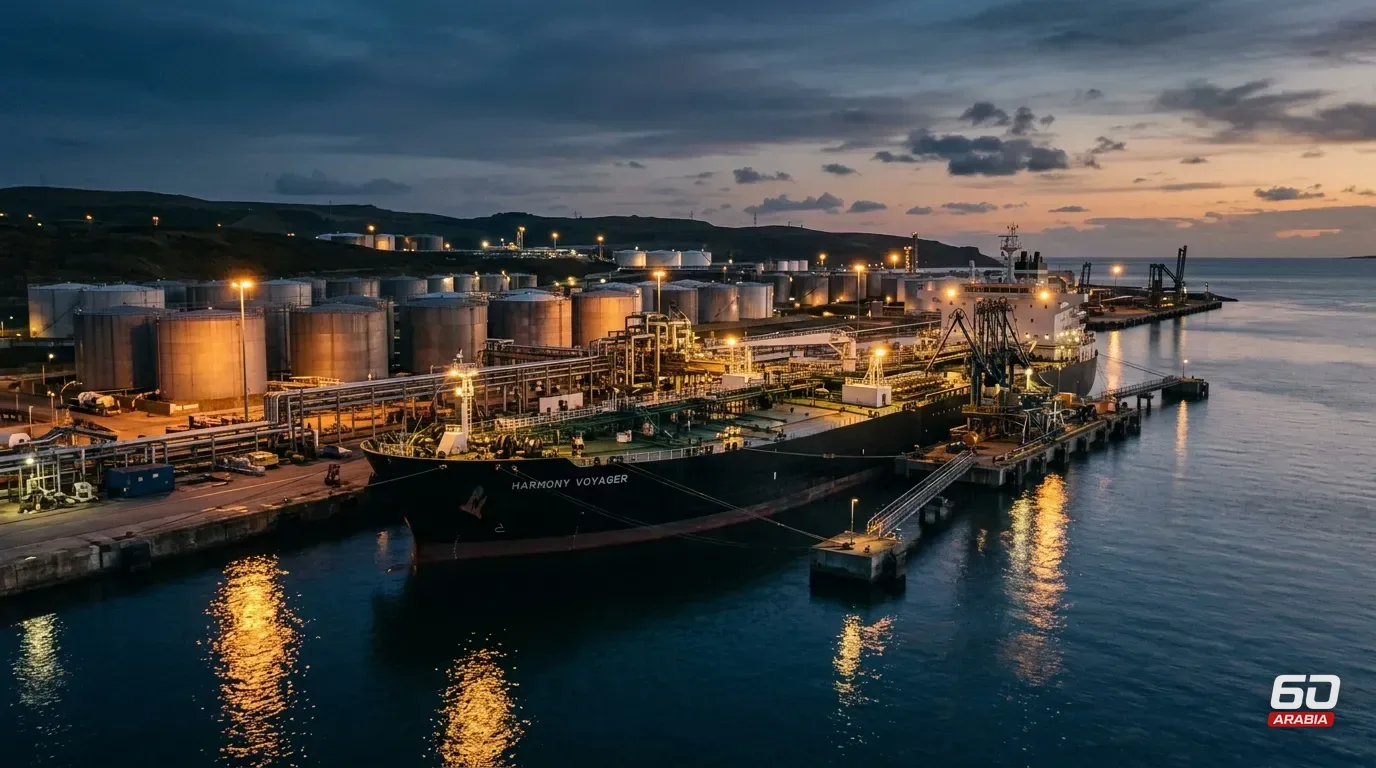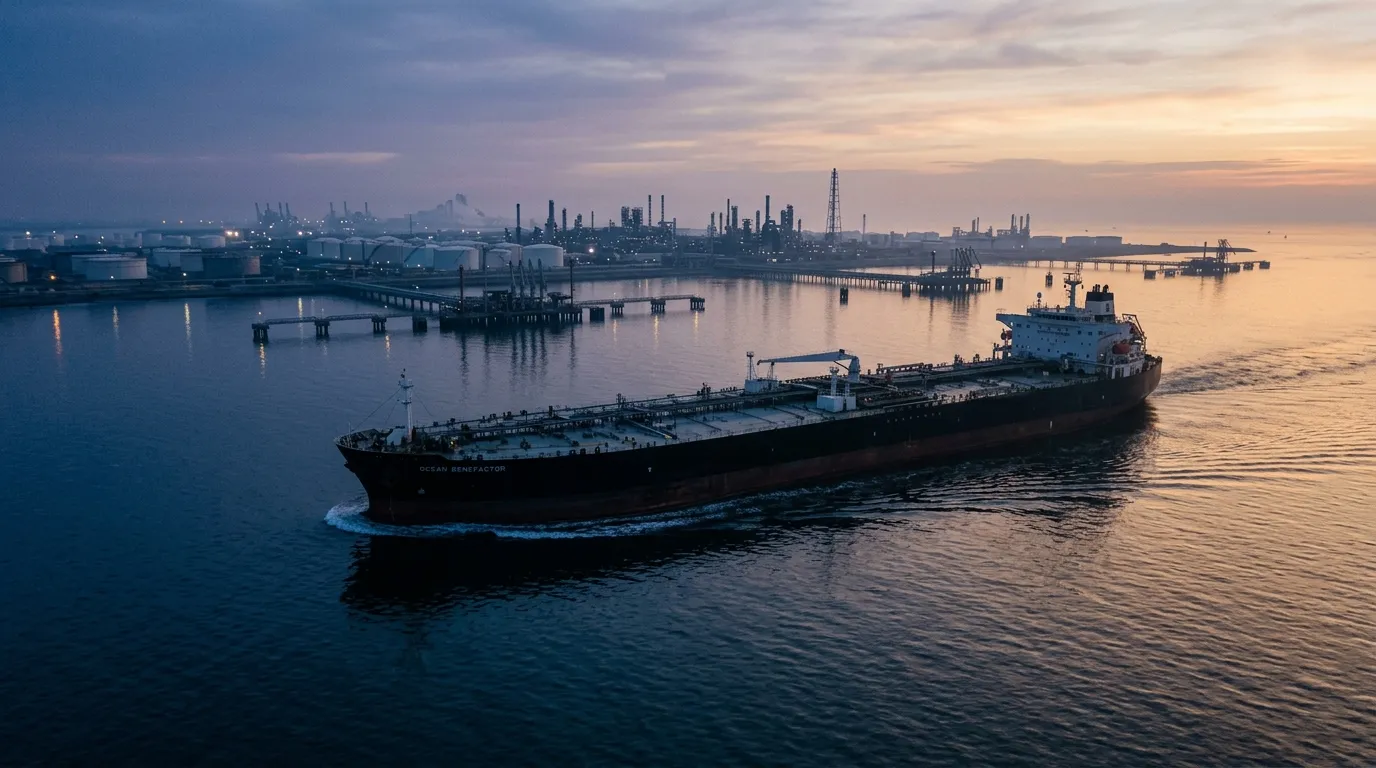

Geography Beats Geology: Who Owns the Oil and Who Owns the Route?
Summary
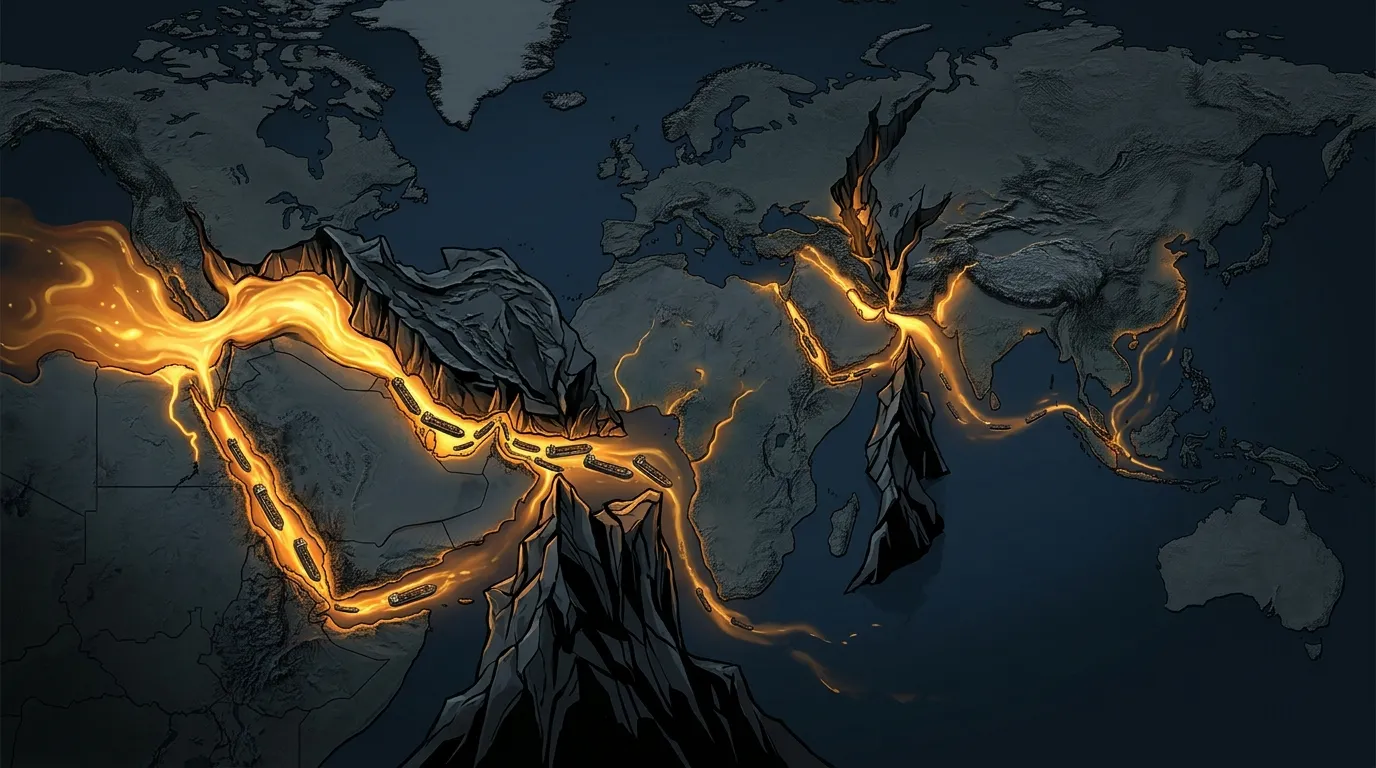
The question is no longer how much you produce, but where it exits. Hormuz is closed, Bab al-Mandab is blockaded, emergency pipelines were designed to complement the passage not replace it... and Egypt has become the last remaining door.
On September 11, the Saudi East-West Pipeline stopped—the artery carrying crude oil from the Eastern Province to Yanbu on the Red Sea. Within days, Aramco notified some of its European customers of cuts or suspensions to their October allocations, before the Kingdom prepared to restart the line this week.
Notice what happened here. The world's largest oil exporter did not lose a single field, and its reserves did not decrease by a single barrel. Yet, its ability to sell was disrupted. This is the real story of 2026: geology no longer decides
anything, and geography decides everything.
What Exactly Broke?
Since February 28, with the start of US-Israeli operations against Iran, traffic through the Strait of Hormuz effectively ground to a halt. The International Energy Agency described what occurred as the largest supply disruption in the history of the oil market and the biggest threat to energy security in history.
The figures through mid-September tell the story. Outages in Gulf production averaged 6.7 million barrels per day in August, up from 5 million in July. Global production fell in August to 100.1 million barrels per day, with over 10 million barrels per day of Gulf production remaining offline. Brent crude surpassed $100 this week, up from near $70 in July.
Then came the second blow from the south. On July 20, the Houthis declared a naval blockade on Saudi vessels, causing shipments heading from Yanbu toward Bab al-Mandab to plunge by nearly 90%.
The producer is trapped from two sides: the Gulf to the east, and the Red Sea to the south.
Why Didn't the Pipelines Save Anyone?
Saudi Arabia and the UAE built bypass pipelines over two decades precisely in anticipation of this day: the East-West pipeline to Yanbu, and the Abu Dhabi pipeline to Fujairah. When that day arrived, everyone discovered the same flaw.
These pipelines were designed to complement Hormuz, not replace it. The Abu Dhabi line has a nameplate capacity of between 1.5 and 1.8 million barrels per day, leaving only a modest margin. According to McKinsey's analysis, 3.3 million barrels per day continued to transit the strait, while the net deficit reached 15.5 million barrels per day; rerouting via the two pipelines alongside production increases covered only about 35% of it.
More importantly, the pipeline moves oil, but does not exit it. The crude that reaches Yanbu still requires a maritime passage, and that passage has also become a front.
Egypt: The Last Remaining Door
Here Cairo enters the equation, not as a consumer, but as critical infrastructure.
With Hormuz closed and Bab al-Mandab blockaded, the northern Red Sea corridor toward Egypt remained the last exit to the Mediterranean. Saudi crude taking this route jumped by nearly a third after the blockade was declared in July, reaching roughly 1.1 million barrels per day. Flows through the SUMED pipeline reached about 1.9 million barrels per day in August—a figure close to the line's maximum capacity—while total loadings at Sidi Kerir on the Mediterranean hit around 2.3 million barrels per day.
SUMED is not an option but an engineering necessity, because fully loaded Very Large Crude Carriers cannot transit the Suez Canal due to draft limitations; thus, they offload part of their cargo at Ain Sokhna and reload it at Sidi Kerir.
This is a revenue opportunity for Egypt, but one with a ceiling. The pipeline is operating near maximum capacity, and expanding it requires years, not months. Egypt cannot absorb much of what is offered, meaning part of the crude takes the Cape of Good Hope route at an extra freight cost estimated at around $9 per barrel.
Gas: The Harsher Version of the Story
What happened to oil happened to gas even more severely. Following strikes targeting Ras Laffan, QatarEnergy declared force majeure, and its LNG exports dropped by 96%, shipping just 18 cargoes compared to 509 during the same period last year, with losses estimated at around $24 billion.
The impact extends well beyond the war. The International Energy Agency believes that damage to Qatari liquefaction facilities will delay the global supply wave, resulting in a cumulative loss of nearly 140 billion cubic meters between 2026 and 2030.
The Paradox Awaiting Us
Here lies the paradox that many overlook while preoccupied with the crisis.
Global LNG demand is projected to decline by 8% between 2025 and 2026, marking the first annual contraction in over a decade. At the same time, the industry is entering the largest expansion wave in its history, adding roughly 207 million tons of new capacity. As for oil, the International Energy Agency expects production to rebound by about 8 million barrels per day in 2027, while the US Energy Information Administration sees Brent averaging down to $74 next year.
In other words: the current crisis is a crisis of passages, and the next crisis may be a crisis of surplus.
What Is Worth Watching?
Scenario One: Gradual Easing. The East-West pipeline returns to capacity, Hormuz partially reopens, deferred surplus quickly floods back into the market, and prices drop. The winner here is the Arab importer, and the loser is the producers' budgets.
Scenario Two: Long-term Adaptation. The conflict settles into a gray area, turning transit corridors into permanent investment infrastructure: SUMED expansion, strategic storage in consumer markets, new routes to the Mediterranean, and an insurance premium factored into the pricing of every new energy project.
In both cases, one change remains after the crisis ends. For decades, energy asset valuation started with the question: How much is underground? From 2026 onward, it starts with another question: How does it get out, and who controls the route?
Will the region build its transit corridors before the next crisis, or wait to discover its limits once again in the middle of it?


Weekly Newsletter
Read between the lines before everyone else. Decode the most important economic, tech, and decision-maker movements in the region.. in 5 minutes every Saturday.