
Global Central Banks Race to Launch Official Digital Currencies (CBDCs)
11 countries have fully launched their official digital currencies while 130 others are conducting studies in this direction, amid competition with cryptocurrencies and questions surrounding user privacy.

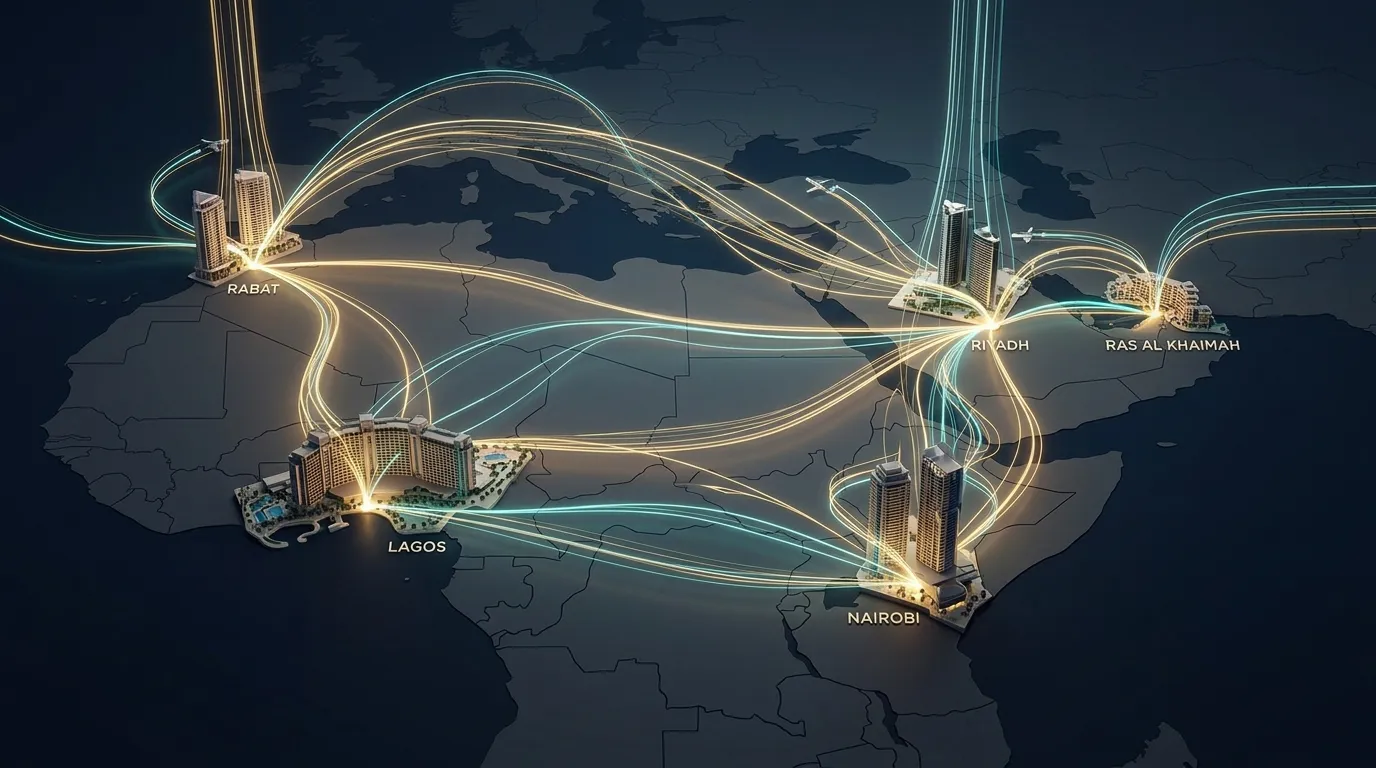
A total of 11 countries have fully launched their official central bank digital currencies (CBDCs) by 2025, led by Nigeria, the Bahamas, and Jamaica, while more than 130 other countries are conducting studies or pilot tests, according to data from the Bank for International Settlements (BIS).
China leads major economies with the digital yuan (e-CNY), which has been distributed in trillions of yuan to citizens in pilot projects across dozens of cities, amid Western questions regarding its deployment as a tool to monitor spending.
The European Union and the United Kingdom are conducting in-depth studies on the "Digital Euro" and "Digital Pound," while the UAE launched the "mBridge" project in cooperation with Asian central banks to test international settlements using digital currencies.
Experts believe that central bank digital currencies will redraw the map of international financial settlements and reduce the dominance of the SWIFT bank transfer system, warning that they raise deep concerns regarding financial privacy for individuals whose transactions become fully visible to the government.
What do these terms mean?
Central Bank Digital Currency (CBDC): An official digital version of the national currency issued directly by the government via the central bank, differing from cryptocurrencies in that it is government-backed and centrally controlled.
SWIFT System: The international financial messaging network used by banks to transfer money across borders, headquartered in Belgium and comprising more than 11,000 financial institutions worldwide.
mBridge Project: An international initiative involving central banks from the UAE, China, Hong Kong, and Thailand to test direct cross-border settlements using digital currencies without the need for traditional intermediaries.
Weekly Newsletter
Read between the lines before everyone else. Decode the most important economic, tech, and decision-maker movements in the region.. in 5 minutes every Saturday.