

Texas Sues OpenAI and Sam Altman for Misleading Users
Texas Attorney General Ken Paxton filed a lawsuit against OpenAI and Sam Altman, accusing the company of misleading users and failing to protect children from the harms of ChatGPT.
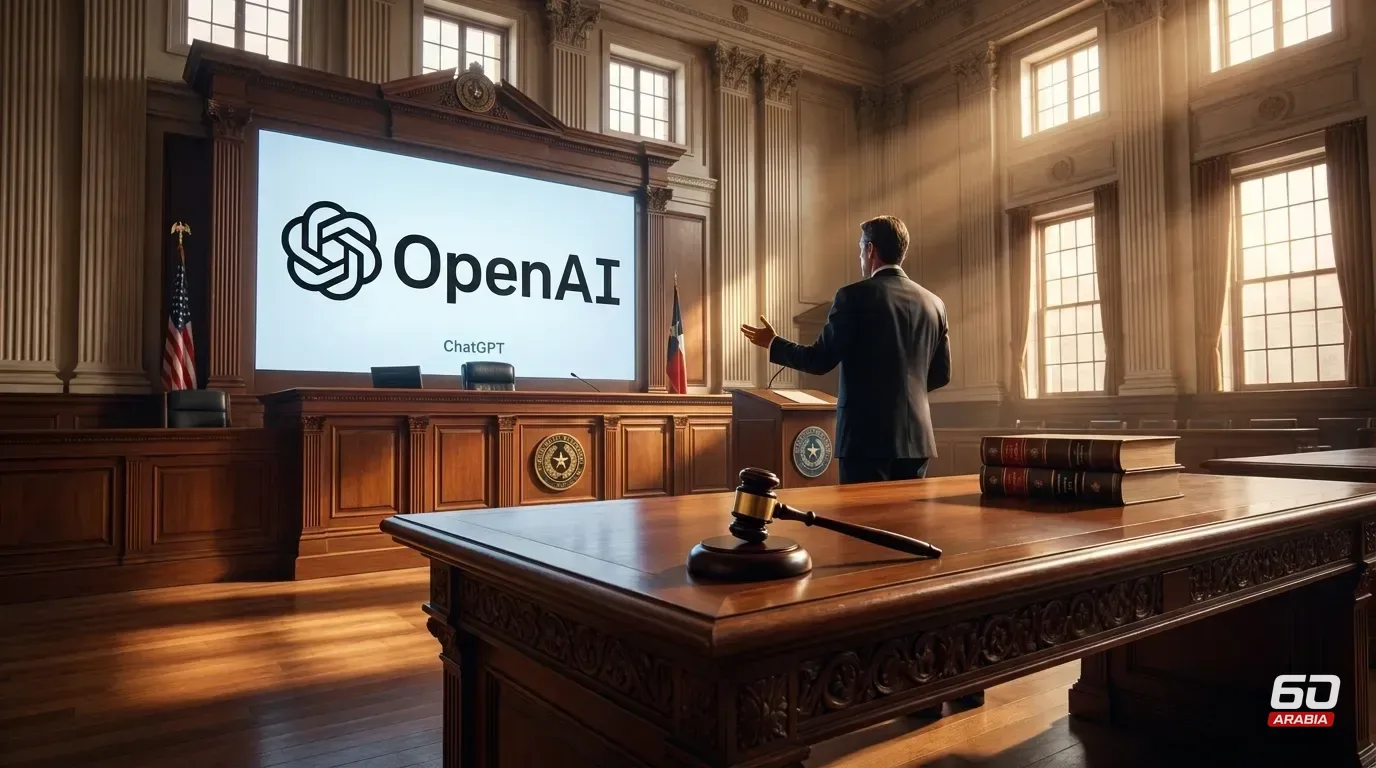
Texas Attorney General Ken Paxton has filed a lawsuit against OpenAI, its affiliated entities, and its CEO Sam Altman, accusing the company of imposing negative effects on consumers. The Attorney General's office stated that the company marketed ChatGPT as a safe and reliable tool, but failed to protect Texans, including children, from the harms of relying on the chatbot.
The statement added that large language models may produce inaccurate or harmful information without sufficient disclosure of this risk, and that the lawsuit is based on the Texas Deceptive Trade Practices-Consumer Protection Act. Paxton stated that the company bears the responsibility to protect users and warn them about the risks of its platform, and that he will work to ensure tech companies are not above the law.
According to the statement, the lawsuit seeks to hold OpenAI accountable for the deception and damages suffered by state residents. The lawsuit notes that the publicity with which the company presented its product did not reflect the risks associated with users relying on the model's answers.
The statement noted that OpenAI was founded in 2015 as a non-profit organization that promised to advance digital intelligence to serve humanity, but it misled regarding its products and introduced ChatGPT to Texas and the world in a reckless manner. The lawsuit seeks to hold the company accountable for deception and damages, at a time when generative AI tools face increasing legal scrutiny.
What do these terms mean?
Deceptive Trade Practices Act: A Texas state law that allows the attorney general or consumers to sue companies over deceptive advertising or practices that harm consumers.
Large Language Model: An artificial intelligence program that learns from massive amounts of text and generates responses, and may produce inaccurate information if its boundaries are not properly set.
Generative Artificial Intelligence: A technology that produces text, images, or other content based on user requests, rather than merely classifying existing data.
Weekly Newsletter
Read between the lines before everyone else. Decode the most important economic, tech, and decision-maker movements in the region.. in 5 minutes every Saturday.