

BPCL Cuts Russian Oil Purchases in November After Freight Costs Rise
The finance director at the Indian oil company said Russian oil shipments will decline significantly in November, after rising freight costs pushed the crude premium to $1 or $2 per barrel.
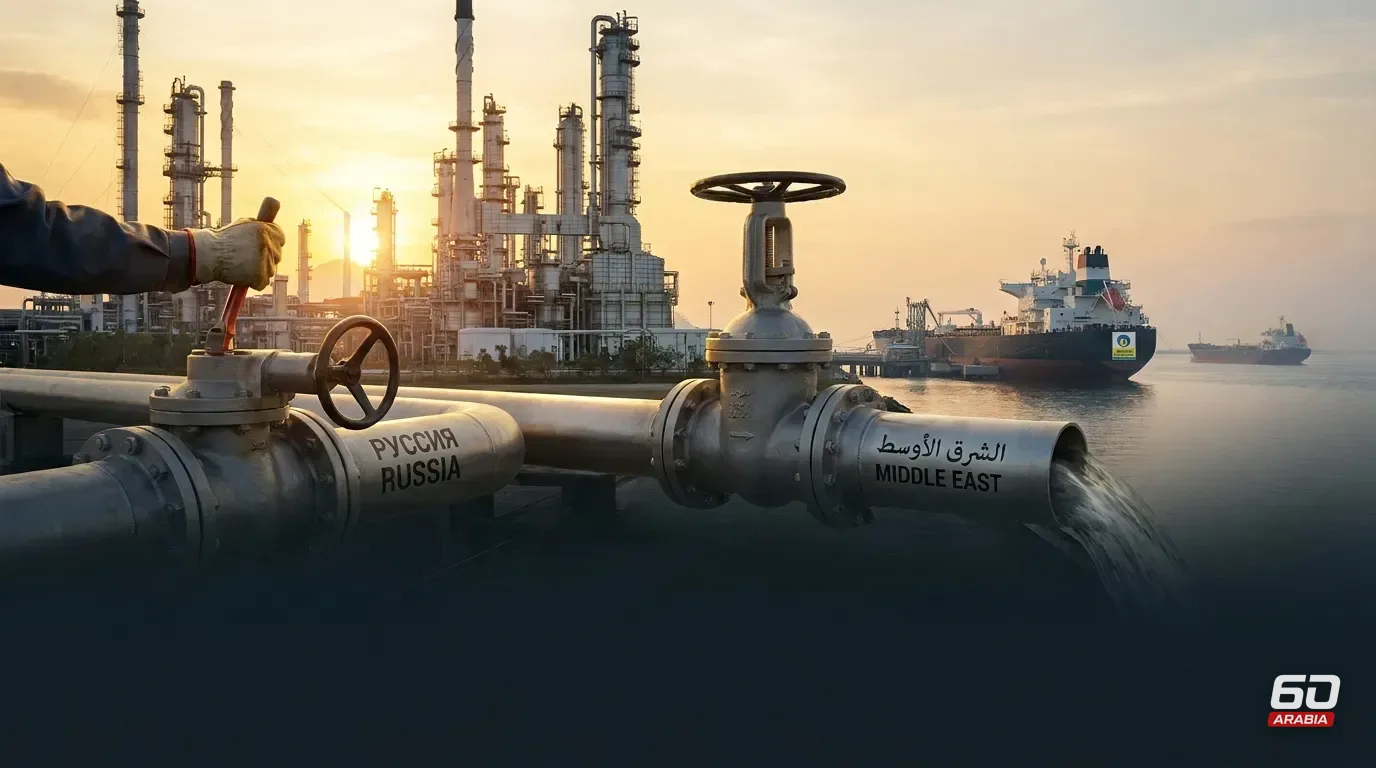
Indian oil refining company Bharat Petroleum Corporation Limited (BPCL) expects its purchases of Russian oil to decline in November, as the price advantage erodes due to high freight costs and Middle Eastern crudes become more commercially viable. The company's Director of Finance, Vetsa Ramakrishna Gupta, told analysts during an earnings call on Monday that the company is "getting the full volume, but there are challenges," and that Russian oil shipments "have dropped significantly" in November due to high freight costs.
The company obtained about 37% of its crude from Russia in the July-September quarter and continued to diversify its sources as geopolitical tensions disrupted shipping routes and drove up freight and insurance costs, though it secured enough crude to operate its refineries. Gupta said the price premium for Russian crude was $12 to $13 per barrel in October, but recently narrowed to about $1 or $2, adding that the economic viability for Russian supplies might improve in December depending on freight costs and available offers.
He added that supplies from the Middle East have become more commercially viable than Russian supplies and have increased compared to the first quarter, with larger volumes expected from the region in October and November. Saudi supplies improved during the quarter, while shipments from Iraq and Kuwait have not fully returned to normal levels. The average delivered cost of crude for the company was about $10 to $12 per barrel above benchmark, depending on the source and delivery route, while freight costs rose without a corresponding increase in product freight, putting pressure on refining margins.
The company stated that its international crude trading desk in Singapore, which began operations in September, helped it access new opportunities, including a discounted cargo from the Caspian region. Regarding the Andhra Pradesh state refinery project, the company expects to present the final investment decision to the board in the coming weeks, subject to financing arrangements and regulatory approvals, for a refinery with a capacity of 10 million metric tons per annum and a petrochemical intensity of around 32 to 33%. The board approved the establishment of a wholly owned subsidiary with an initial equity capital of up to 4,900 crore rupees, while considering diluting at least 30% of the equity as the project progresses.
What Do These Terms Mean?
Price Premium: The difference paid by a buyer above the benchmark price for a specific grade of crude or specific delivery terms.
Freight Cost: The amount paid to transport oil from the port of loading to the destination port, influenced by fuel prices, insurance, and route length.
Refining Margin: The difference between the value of refined products, the crude price, and the operating cost of the refinery, measuring refining profitability.
Crore: A common unit of counting in India equal to 10 million; the term crore rupees is used to express large sums of money.
Weekly Newsletter
Read between the lines before everyone else. Decode the most important economic, tech, and decision-maker movements in the region.. in 5 minutes every Saturday.