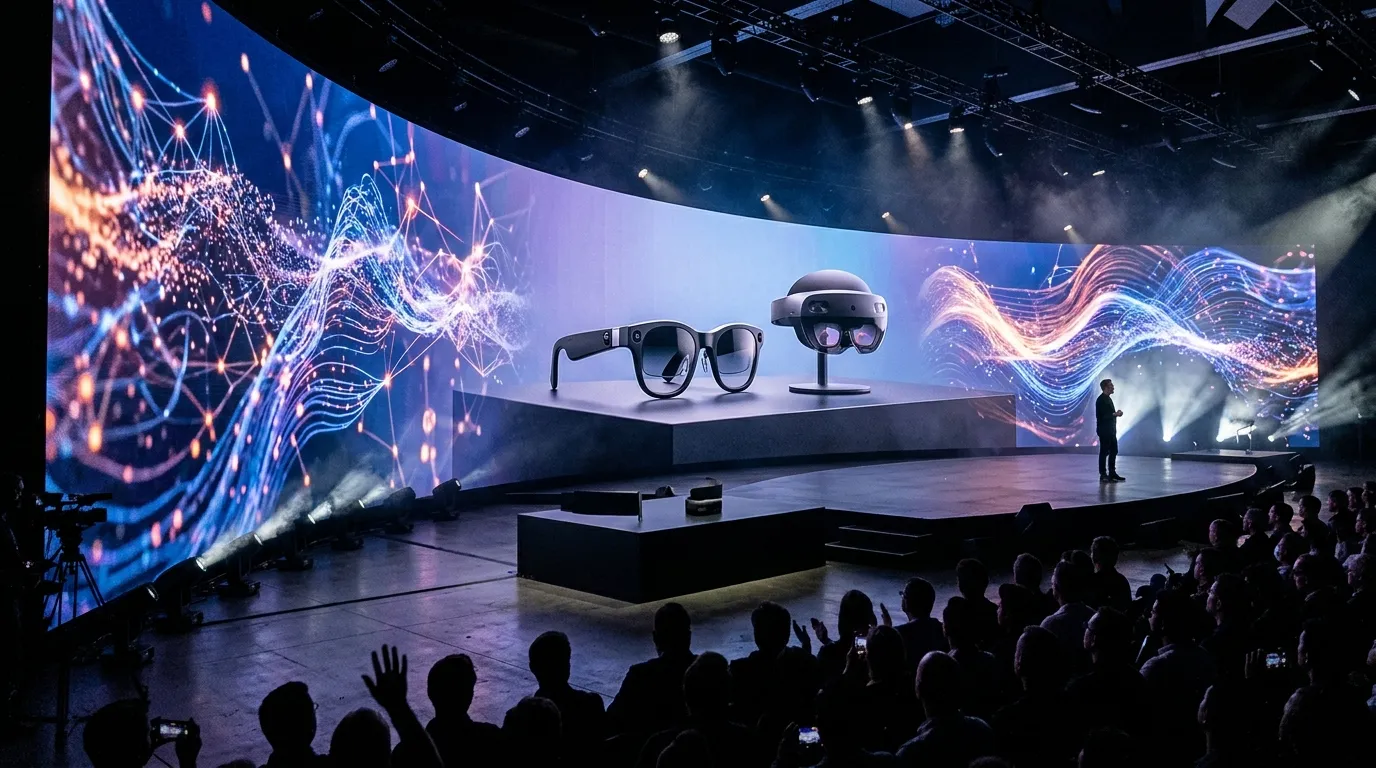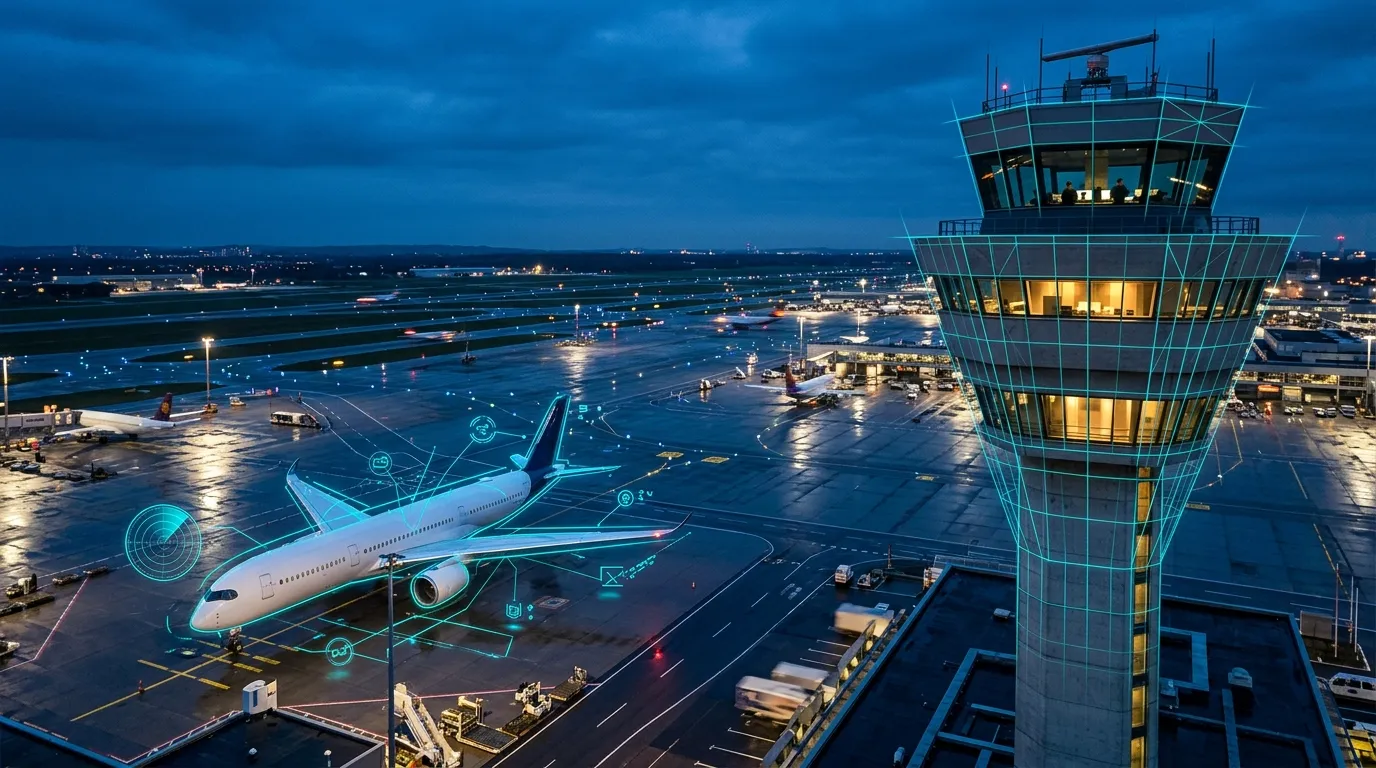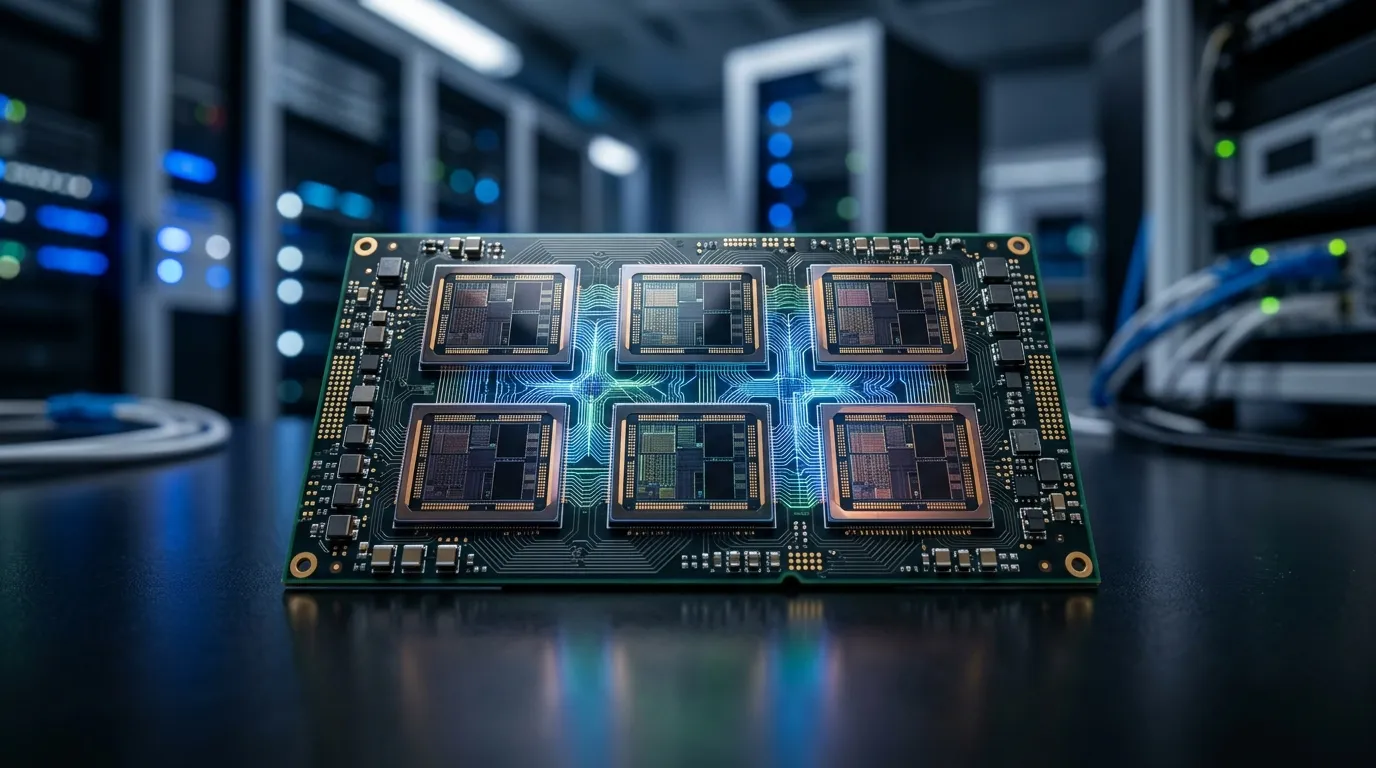

Nations Race to Deploy 5G and Launch 6G Research Amid Battle for Technological Influence Among Major Powers
China controls 60% of global 5G stations and leads 6G research, while the UAE and Saudi Arabia accelerate fifth-generation deployment and announce initial sixth-generation trials amid a competition extending beyond telecommunications toward digital sovereignty.
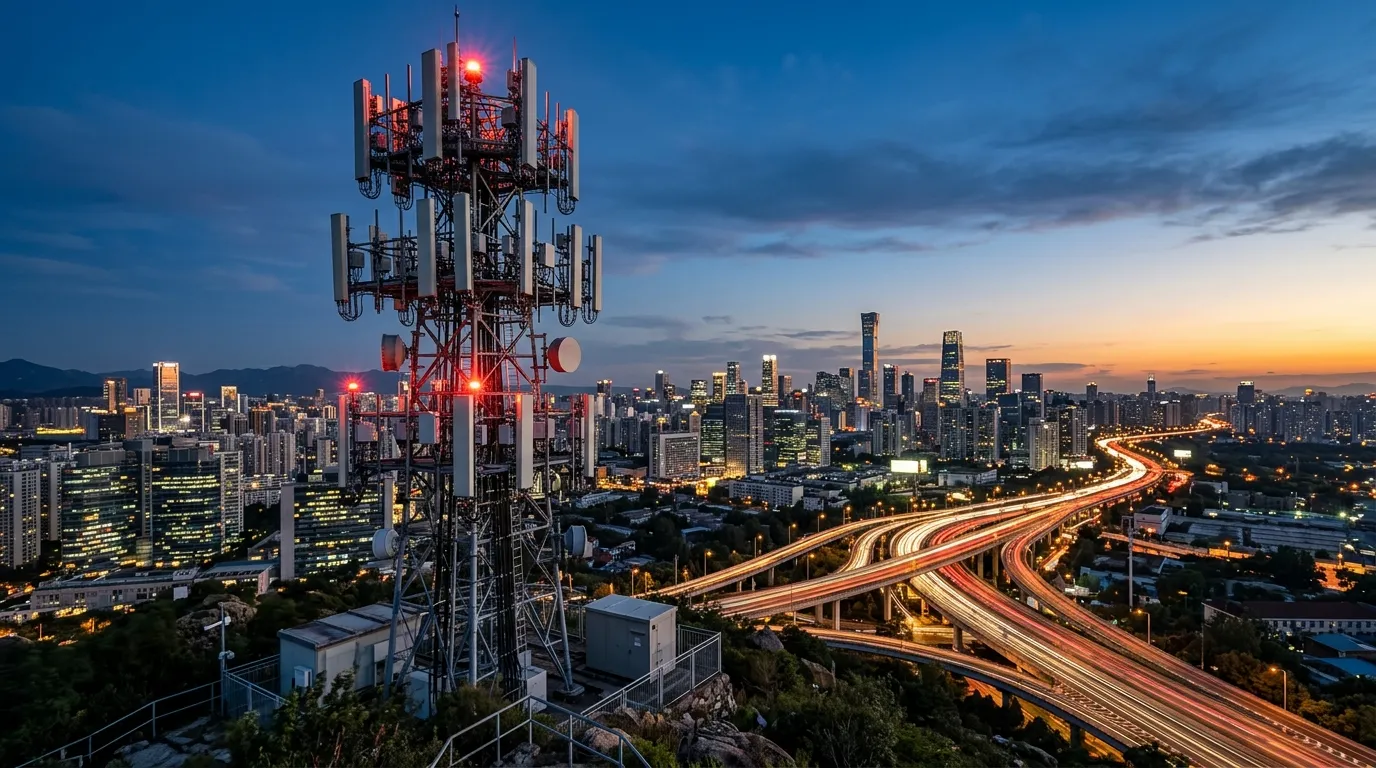
China announces the operation of over 3.5 million 5G stations, representing nearly 60% of total global stations, while the United States and the European Union rush to narrow the gap, and companies such as Huawei, Ericsson, and Nokia launch intensive research into 6G technologies scheduled for commercial launch between 2030 and 2035.
Gulf nations display impressive performance in this race; the UAE ranks among the top globally in 5G speed and coverage, and Saudi Arabia announces a plan to cover 97% of populated areas with this network by 2025, while both countries begin initial testing for sixth-generation technologies.
These networks transcend the boundaries of telecommunications to become the backbone of the digital economy; smart factories, remote surgery, and autonomous transport networks rely on them, requiring speeds exceeding gigabits and latency of less than one millisecond to ensure safety.
The United States and the European Union restrict the use of Chinese Huawei equipment in their networks citing security concerns, prompting Chinese companies to focus on Global South, Arab, and African markets. Telecom analysts believe that Arab nations' decisions regarding their infrastructure suppliers today will shape their digital geopolitical direction for decades to come.
What do these terms mean?
Fifth Generation (5G): The fifth generation of wireless communication networks provides speeds up to 10 times faster than 4G and significantly lower latency, enabling applications requiring ultra-fast real-time data transfer.
Sixth Generation (6G): The next generation of communication networks, currently still under research, expected to deliver speeds 100 times faster than 5G along with new capabilities such as quantum communication and distributed computing.
Latency: The time it takes for data to travel from sender to receiver — in 5G, it is measured in fractions of a millisecond, making it suitable for critical applications like remote surgery and automated driving.
Weekly Newsletter
Read between the lines before everyone else. Decode the most important economic, tech, and decision-maker movements in the region.. in 5 minutes every Saturday.