
Dubai approves AED 2 billion urban plan to boost its real estate value
Dubai has approved a plan to develop urban centers with a budget exceeding AED 2 billion through 2040, aiming to increase real estate value in the targeted centers by AED 20 billion.
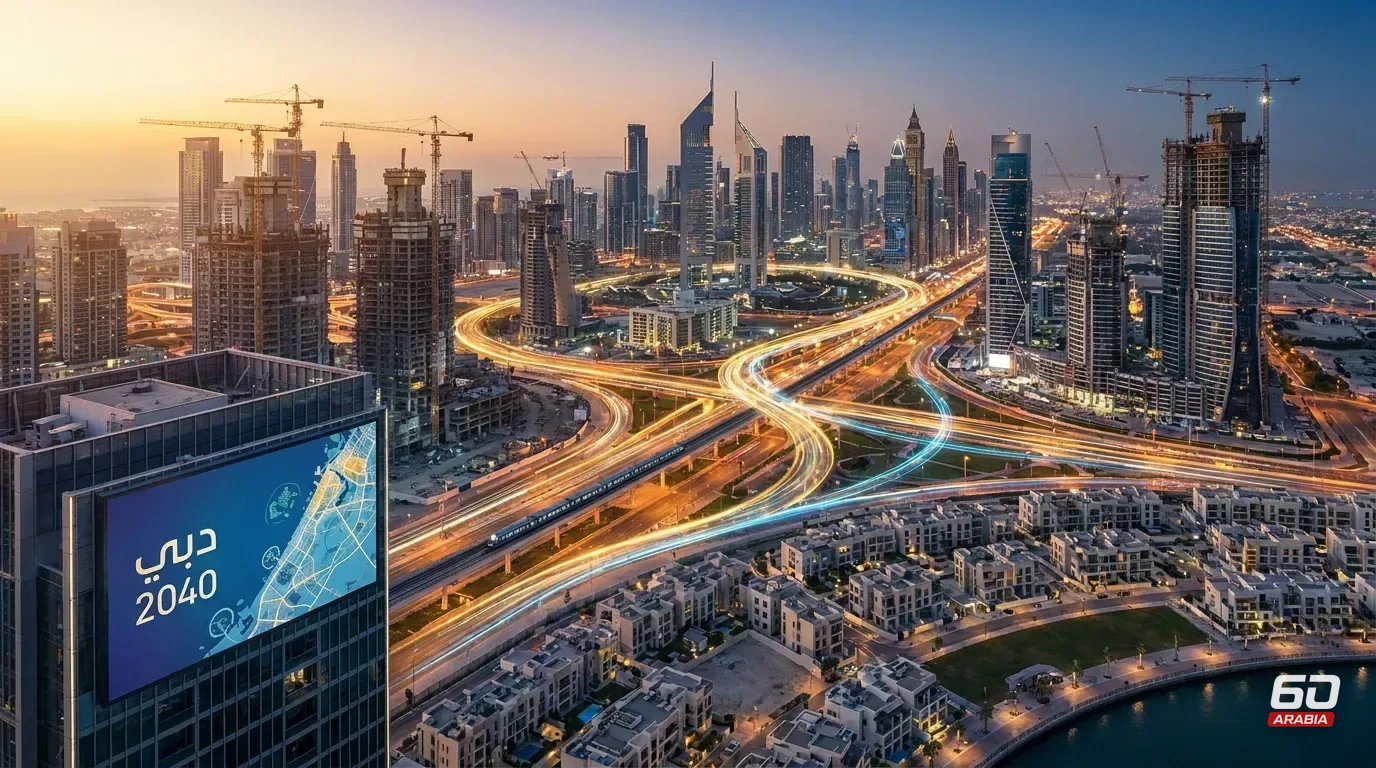
The Executive Council of Dubai, chaired by Sheikh Hamdan bin Mohammed bin Rashid Al Maktoum, has approved the Urban Centers Development Plan with a budget exceeding AED 2 billion through 2040, aiming to increase the real estate value of targeted centers by AED 20 billion. The plan is supervised by the Supreme Committee for Urban Planning and Dubai Municipality in cooperation with relevant entities.
The plan covers six main urban centers and 42 supporting sub-centers, accounting for about 12% of the emirate's urban area. It is based on three pillars: quality of life, economic yield, and infrastructure efficiency and cost, by concentrating residents and jobs around mass transit stations, diversifying land use, and bringing housing closer to workplaces.
The plan aims to increase the proportion of residents living around metro stations from 52% to 74%, and expand public services coverage from 74% to 85%. The Council also approved the Sustainable Population Planning Policy, which links population growth forecasts with economic and urban plans, while Sheikh Hamdan noted that Dubai ranked second globally in the 2026 Smart Cities Index.
Sheikh Hamdan stated that the plan is an investment in Dubai's future and the sustainability of its growth, making the targeted centers more vibrant places to live, work, and invest. The plan reflects the emirate's strategy to balance economic growth with population expansion and the development of services and infrastructure to meet residents' needs.
What do these terms mean?
Urban Centers: Central urban areas around which housing, jobs, and services cluster, connected by a public transport network to reduce reliance on cars.
Infrastructure: Networks of roads, water, sewage, electricity, and telecommunications serving residential developments and areas.
Smart Cities Index: An international measurement of the extent to which cities rely on technology and data in managing services, transportation, and utilities.
Weekly Newsletter
Read between the lines before everyone else. Decode the most important economic, tech, and decision-maker movements in the region.. in 5 minutes every Saturday.