
Gulf States Launch $50 Billion Green Hydrogen Projects in Drive to Lead Global Market
Saudi Arabia, the UAE, and Oman have launched green hydrogen projects with a total value approaching $50 billion, in a bid to turn their solar energy advantage into leadership in the future fuel market.
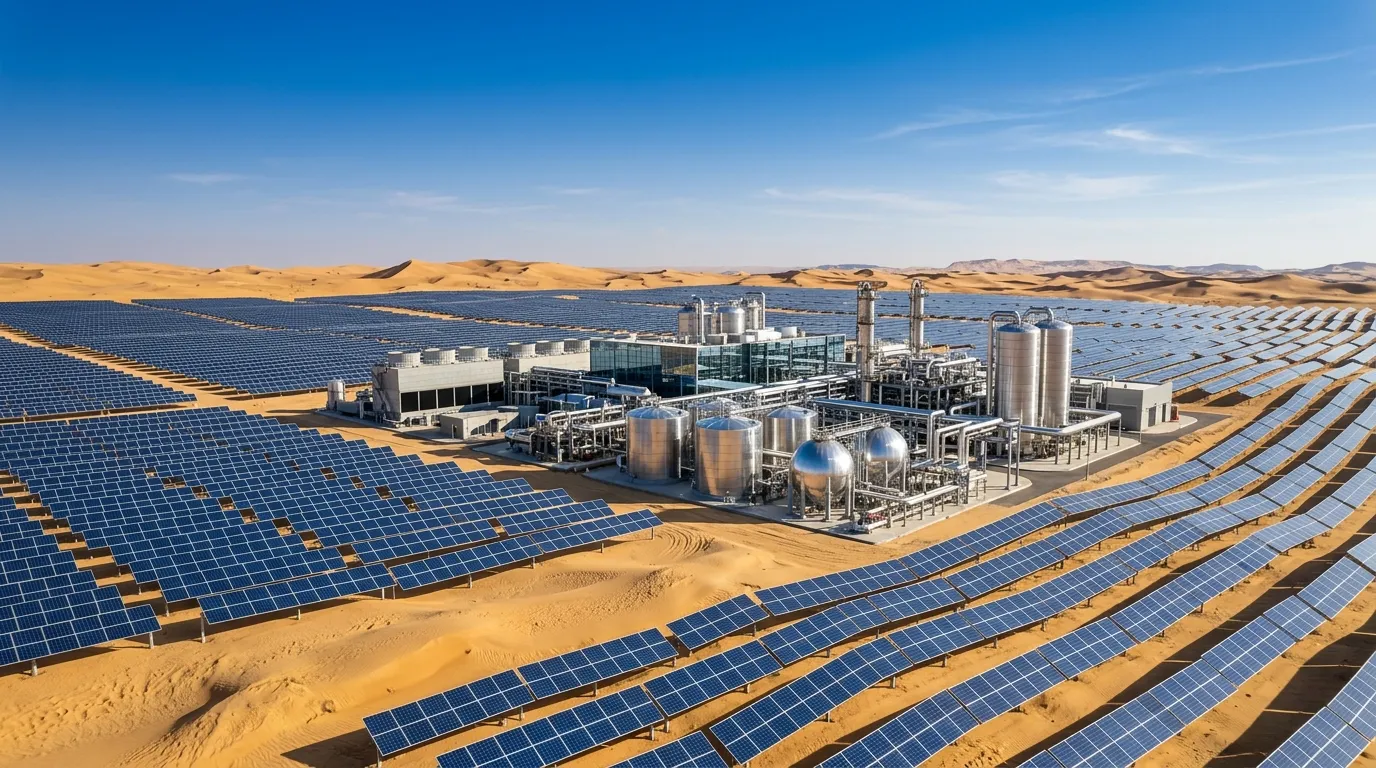
Saudi Arabia, the United Arab Emirates, and the Sultanate of Oman have announced a suite of green hydrogen projects with a total value of nearly $50 billion, marking the largest coordinated Gulf effort to secure a competitive share in a market analysts expect to reach $2 trillion annually by 2050.
These projects leverage the competitive advantage provided by exceptional solar radiation in the region, whose cost is among the lowest globally, relying on solar-powered water electrolysis to produce carbon-emission-free green hydrogen. The three projects aim to produce between 4 and 6 million tons annually by 2030.
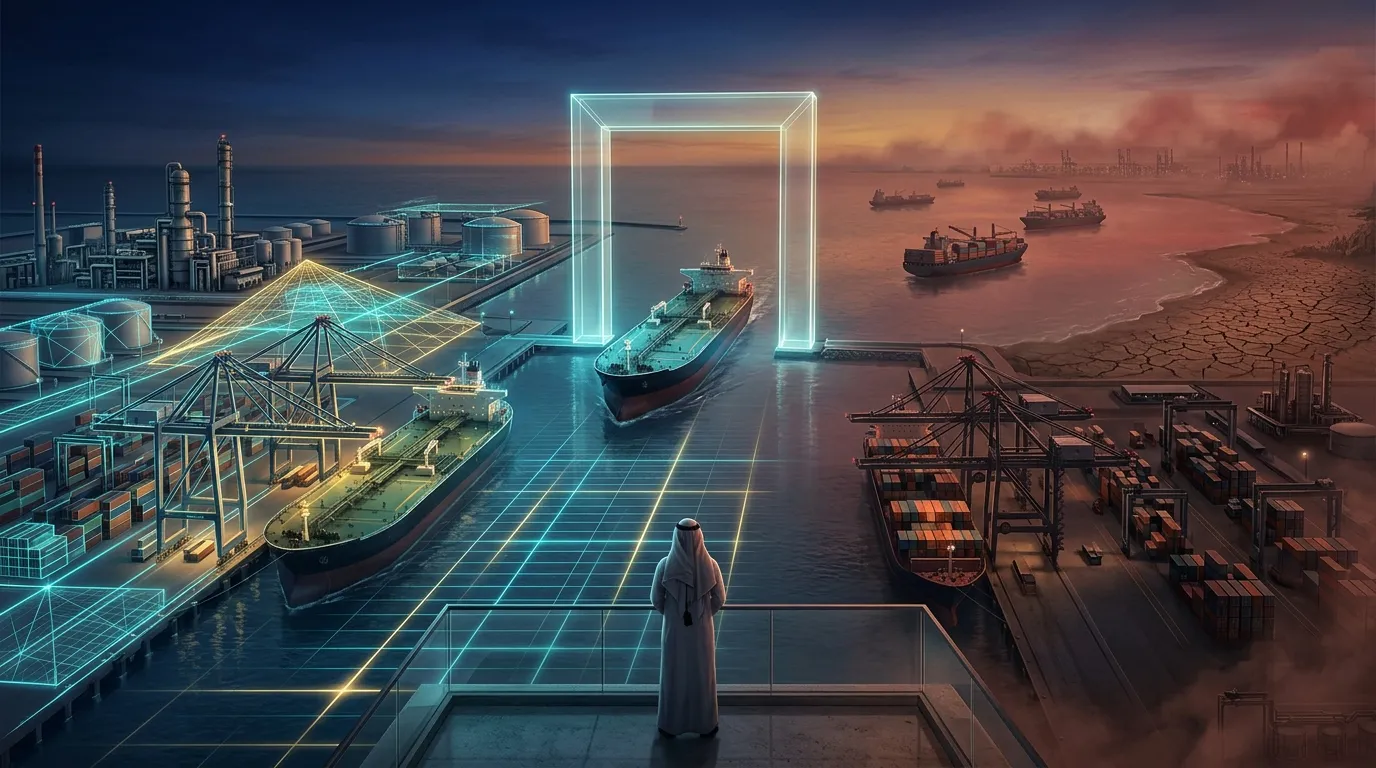
These projects face a range of challenges, chief among them the hurdles of hydrogen storage and transport at economically viable costs, in addition to cultivating the European and Asian demand needed to absorb the produced quantities. Energy sector experts noted that the viability of these projects is closely linked to a sufficient drop in electrolysis costs over the coming years.
On the international partnerships front, these countries have signed preliminary agreements with several European industrial economies, Japan, and South Korea, which view Gulf hydrogen as a strategic alternative to Russian gas and reliance on traditional fossil fuel supply chains.
What Do These Terms Mean?
Green Hydrogen: Hydrogen produced by electrolyzing water using renewable energy—it is burned or used in fuel cells without producing carbon dioxide, making it a clean fuel par excellence.
Water Electrolysis: The process of passing an electric current through water to split it into hydrogen and oxygen—when the electricity comes from renewable sources like solar and wind, the resulting hydrogen becomes "green".
Hydrogen Fuel Cells: Devices that convert hydrogen directly into electricity via a chemical reaction without combustion, producing pure water as their only byproduct—they are used in cars, trucks, ships, and factories as an alternative to fossil fuels.
Weekly Newsletter
Read between the lines before everyone else. Decode the most important economic, tech, and decision-maker movements in the region.. in 5 minutes every Saturday.